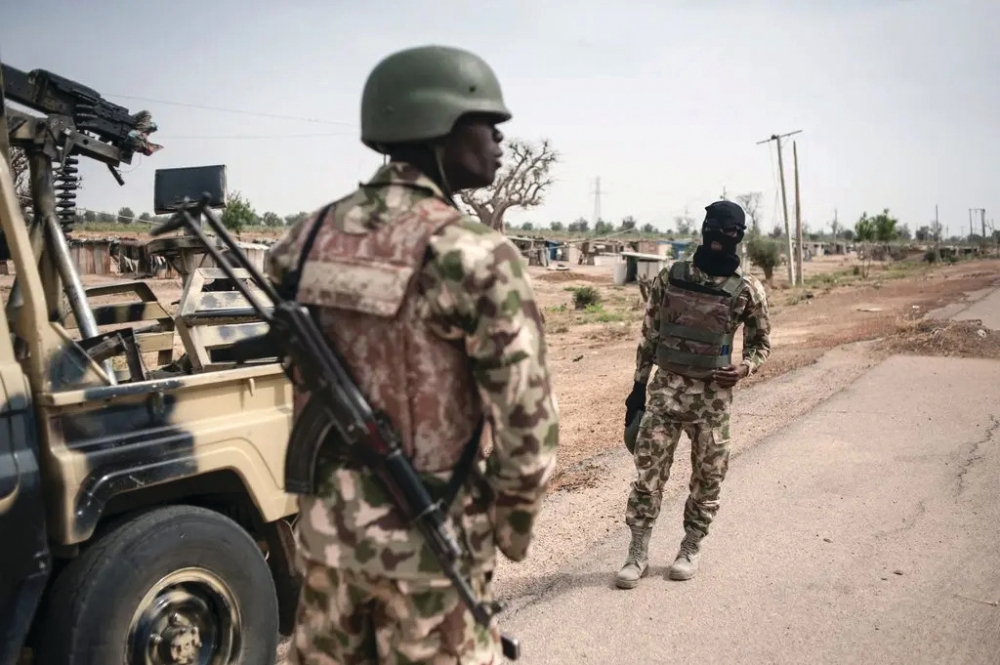
In a significant strategic move, the South African presidency announced its decision to withdraw its 700 troops from the United Nations Organization Stabilization Mission in the Democratic Republic of Congo (MONUSCO). This decision comes after 27 years of active participation in UN peacekeeping efforts in this chronically unstable country, marking a turning point in Pretoria's foreign policy and its security role on the African continent.
Historical background and context of the decision
The United Nations Organization Stabilization Mission in the United Nations (MONUSCO), originally established in 1999 as MONUC, is one of the largest and longest-running UN peacekeeping missions in the world. Deployed in response to the Second Congo War, its mandate is to protect civilians, support humanitarian operations, and assist in the disarmament of armed groups. South Africa has played a pivotal role in this mission, ranking among the top ten troop-contributing countries, reflecting its longstanding commitment to supporting stability in the Great Lakes region.
However, the withdrawal decision comes within a broader context that includes the gradual withdrawal of the MONUSCO mission at the request of the Congolese government, which has repeatedly criticized what it considers the mission's failure to eliminate rebel groups operating in the mineral-rich east of the country. A statement from the South African presidency explained that President Cyril Ramaphosa informed UN Secretary-General António Guterres of the decision, justifying it by the need to "consolidate and reorganize the resources of the national defense forces.".
Escalating conflict and shift towards a regional role
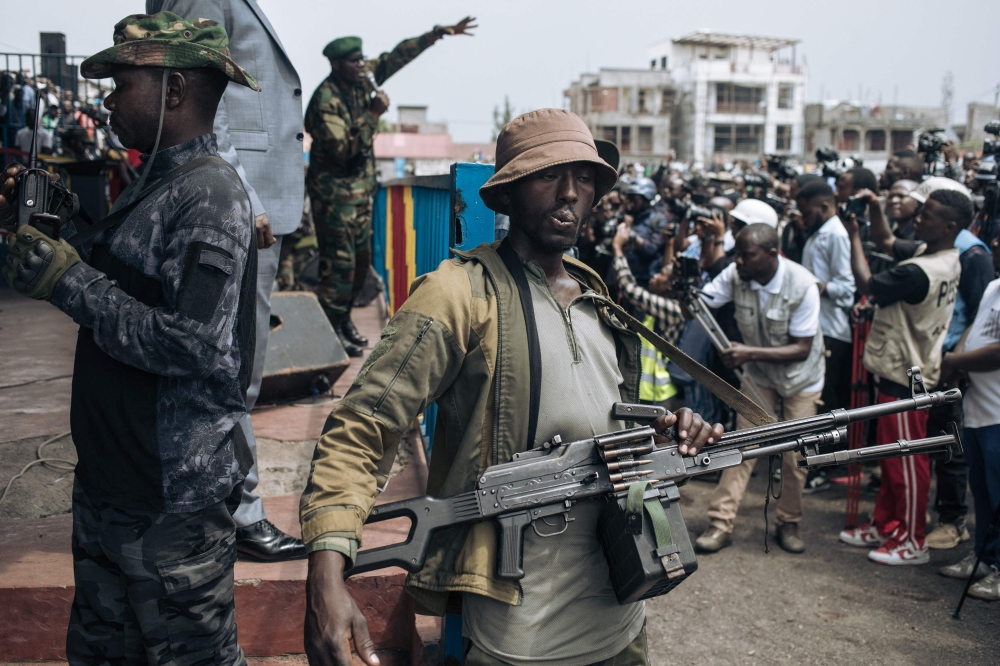
This withdrawal coincides with a dangerous escalation in the conflict in eastern Congo, particularly with the M23 rebel movement, which the UN and the Congo accuse Rwanda of supporting, seizing control of vast swathes of territory and major cities. This escalation has prompted South Africa to reassess its strategy. Last year, after 17 of its soldiers were killed in clashes, Pretoria reinforced its military presence, but within a different framework, deploying hundreds of troops as part of a new military mission under the Southern African Development Community (SADC), aimed at directly combating the rebels.
Importance and expected effects
The decision to withdraw troops from MONUSCO and redirect them towards the SADC mission carries significant implications and multiple effects:
- At the local level: The withdrawal could create a security vacuum in some areas that have relied on the protection of UN forces, increasing the risks to civilians and putting additional pressure on the Congolese army.
- At the regional level, the decision reflects a shift from a traditional peacekeeping approach to a more engaged role in peace enforcement and counterinsurgency under regional leadership. This shift reinforces the principle of “African solutions to African problems,” but it also raises concerns about escalating regional tensions, particularly between Congo and its neighbors.
- At the international level: It highlights the challenges faced by UN peacekeeping operations in dealing with complex and protracted conflicts, and points to the increasing reliance of the international community on regional organizations to intervene in security crises.
The withdrawal of South African forces from the MONUSCO mission is scheduled to be completed before the end of this year, thus beginning a new phase of South African military engagement in Congo, characterized by a more offensive nature and more complex security and political challenges.