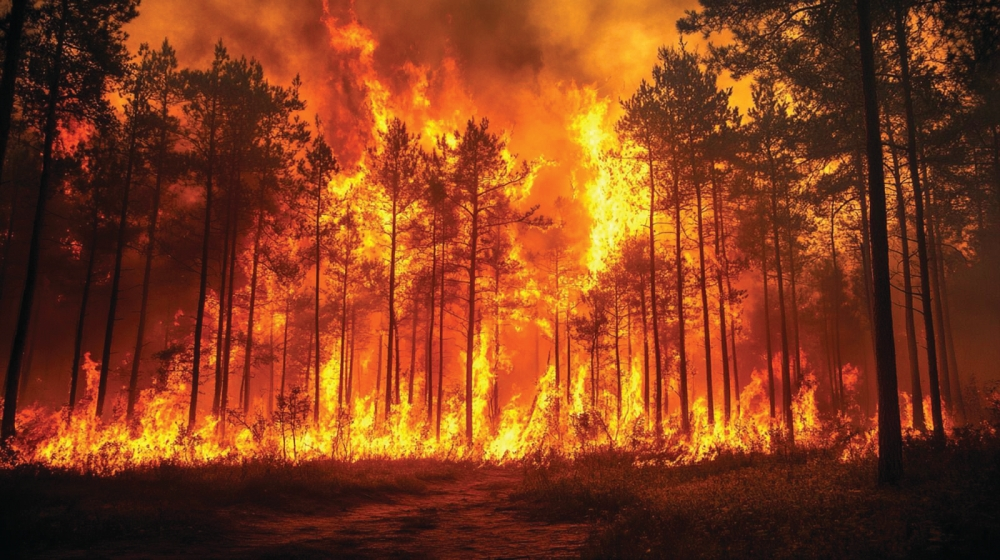
تواجه جمهورية جنوب أفريقيا كارثة بيئية وإنسانية متفاقمة، حيث أعلنت السلطات الرسمية عن تضرر مساحات شاسعة تجاوزت 100 ألف هكتار من الأراضي، وذلك جراء حرائق الغابات في جنوب أفريقيا التي اندلعت منذ مطلع الأسبوع الجاري في محافظة كيب الغربية. وقد ساهمت الرياح العاتية والظروف الجوية القاسية في سرعة انتشار النيران، مما جعل السيطرة عليها تحدياً كبيراً لفرق الطوارئ.
وأكدت التقارير الحكومية أن الحرائق لم تكتفِ بالتهام الغطاء النباتي فحسب، بل امتدت لتدمّر عشرات المنازل، مما استدعى تدخلاً عاجلاً من قوات الدفاع المدني التي سارعت لإغلاق الطرق الرئيسية وإجلاء السكان المحليين حفاظاً على أرواحهم، في ظل استمرار تمدد ألسنة اللهب في مناطق واسعة من الإقليم.
تحديات جغرافية وصعوبات بالغة
وفي تصريحات صحفية، أوضح أنطون بريديل، رئيس قسم الإدارات المحلية في كيب الغربية، حجم المعاناة التي تواجهها فرق الإنقاذ، قائلاً: “إن فرق الإطفاء استنفرت بكامل طاقتها في عموم المحافظة لمحاولة السيطرة على الحرائق المستعرة”. وأشار بريديل إلى أن التحدي الأكبر يكمن في منطقة جبال سيدربيرغ، حيث تواجه الفرق صعوبة بالغة بسبب التضاريس الوعرة والجبلية التي تجعل الوصول البري شبه مستحيل، مما اضطر السلطات للاعتماد بشكل أساسي على التدخل الجوي عبر المروحيات والطائرات المتخصصة لمكافحة النيران من الجو.
تهديد المناطق السكنية في غاردن روت
من جهتها، أصدرت خدمات الإطفاء التابعة لبلدية منطقة “غاردن روت” بياناً تحذيرياً أكدت فيه أن النيران زحفت نحو مناطق مأهولة بالسكان بالقرب من مدينة موسيل باي الساحلية. ومع تغير اتجاه الرياح بشكل مفاجئ، وصلت النيران إلى أحياء سكنية كانت تحت التهديد، مما أسفر عن احتراق ما لا يقل عن 10 منازل بالكامل، وسط حالة من الذعر بين الأهالي.
السياق البيئي والمناخي للكارثة
تأتي هذه الحرائق في سياق مناخي معقد تعيشه منطقة جنوب أفريقيا، حيث تشهد محافظة كيب الغربية عادةً مواسم حرائق نشطة خلال أشهر الصيف الجافة، إلا أن حدة هذه الحرائق ازدادت في السنوات الأخيرة. ويرجع خبراء البيئة ذلك إلى التغيرات المناخية العالمية التي أدت إلى ارتفاع درجات الحرارة وانخفاض معدلات الرطوبة، مما يخلق بيئة مثالية لاشتعال الغابات وانتشارها بسرعة قياسية.
وتتميز المنطقة بغطاء نباتي فريد يُعرف بـ “الفينبوس” (Fynbos)، وهو نوع من النباتات سريع الاشتعال ولكنه ضروري للتوازن البيئي في المنطقة. ورغم أن الحرائق تعد جزءاً من الدورة الطبيعية لتجدد هذا الغطاء النباتي، إلا أن اقتراب الزحف العمراني من مناطق الغابات، بالتزامن مع الظروف الجوية المتطرفة والرياح القوية، يحول هذه الظاهرة الطبيعية إلى كوارث تهدد الأرواح والممتلكات والاقتصاد المحلي الذي يعتمد بشكل كبير على السياحة والزراعة في هذا الإقليم الحيوي.