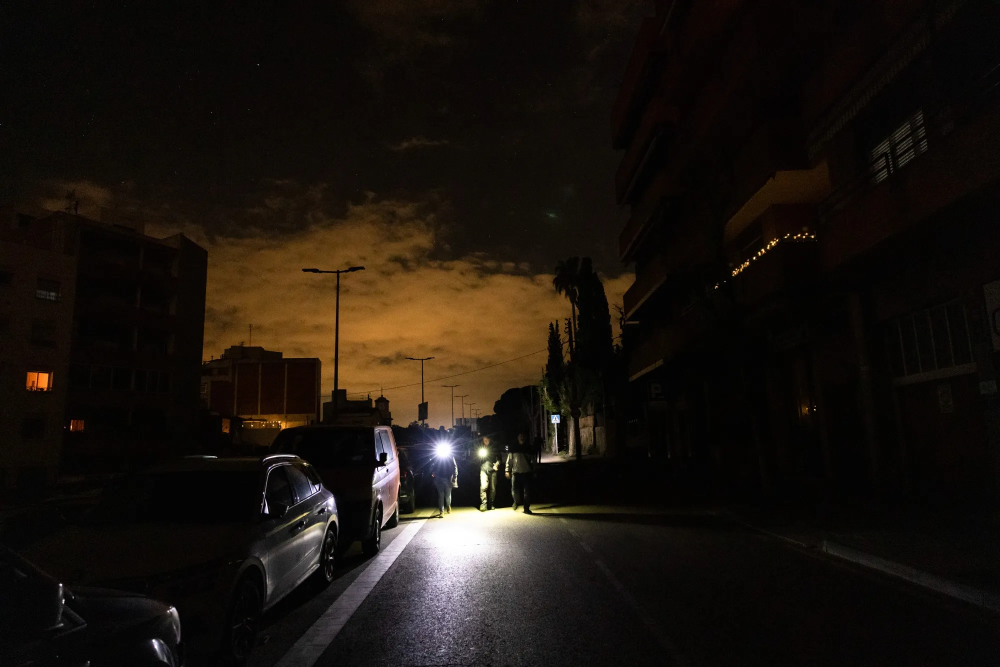
South Africa has been hit by a severe wave of extreme weather, with powerful storms and high winds causing widespread disruption to the electricity supply and resulting in widespread power outages across the country. This event further complicates the daily lives of citizens already struggling with the challenges facing the energy sector.
The impact on the provinces and the difficulties of reform
According to Bloomberg News, South Africa's state-owned electricity company, Eskom, confirmed that emergency teams are facing significant logistical challenges. While technical teams have largely succeeded in addressing the major disruptions in the Eastern Cape province, the situation remains critical in other vital provinces such as KwaZulu-Natal, Limpopo, and the Free State, which are still suffering severe effects from the storm.
The company explained that the severe weather conditions are placing immense pressure on response times, as flooding and damaged infrastructure are hindering the access of heavy machinery to outage sites, particularly in areas with rugged and unsafe terrain. Emergency teams are currently working around the clock in a race against time to restore power supplies safely and as quickly as possible.
Context of the South African energy crisis
This event cannot be viewed in isolation from the broader context of South Africa's energy sector. For years, the country has suffered from a chronic electricity crisis stemming from aging coal-fired power plants and inadequate investment in the national grid's infrastructure. While South Africans have become accustomed to scheduled load shedding, natural disasters like these storms transform these planned outages into chaotic and unpredictable blackouts, severely testing the already strained grid.
Economic and geographical repercussions
The affected areas are of major strategic and economic importance. KwaZulu-Natal province is home to vital ports and is a major logistics and industrial hub, while Limpopo and the Free State are known for their mining and agricultural activities. Prolonged power outages in these regions not only disrupt the daily lives of residents but also cast a long shadow over South Africa's struggling national economy.
Experts point out that the increasing frequency of extreme weather events in the southern region of the African continent poses a direct threat to energy security, necessitating new strategies to enhance the resilience of infrastructure in the face of climate change, to ensure the continuation of production and avoid the heavy economic losses that may result from the shutdown of factories, mines and vital facilities.