Northeastern South Africa has been hit by a massive wave of floods and torrential rains, resulting in significant human and material losses. Local authorities have officially announced the death of at least ten people, while rescue teams have managed to evacuate about 190 people trapped by the water, in the latest episode of a series of extreme weather phenomena hitting the country.
Details of the disaster in Limpopo and Mpumalanga
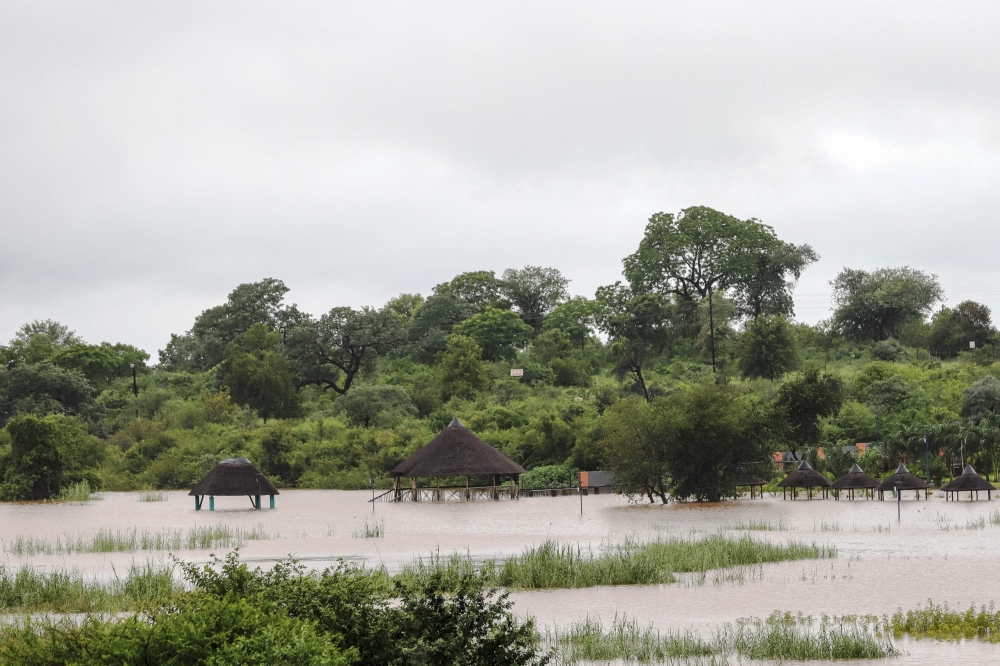
A spokesperson for the Limpopo provincial government reported that emergency teams have recovered the bodies of nine people, while search and rescue operations continue in the affected areas. The damage was particularly severe in the village of Mbula, near the renowned Kruger National Park, where the flooding of the Letaba River trapped 12 people, prompting an urgent response from disaster management units.
In the neighboring province of Mpumalanga, authorities reported another death of a person swept away while attempting to cross a waterway at night, bringing the total confirmed death toll to ten. Officials confirmed the rescue of 190 people who were trapped in the water and transferred them to temporary shelters for care.
Tourism and Kruger National Park affected
The storm's impact wasn't limited to residential areas; it also affected the vital tourism sector. Kruger National Park, one of Africa's largest nature reserves and a world-renowned tourist destination, was forced to evacuate several campsites and close some internal roads and flooded bridges to ensure the safety of visitors and wildlife.
This park is considered an important economic lifeline for the region, attracting millions of visitors annually to see the “Big Five” (lion, elephant, buffalo, tiger, and rhinoceros). Closing parts of it leads to temporary economic losses and a direct impact on local communities that depend on tourism.
Extreme climate context and recurring challenges
These floods have once again highlighted the climate challenges facing South Africa in recent years. While the northern and eastern regions of the country typically experience a summer rainy season, the intensity of rainfall has increased significantly, a phenomenon meteorologists and climate scientists attribute to global warming and climate change.
These events bring to mind the 2022 Durban and KwaZulu-Natal flood disaster, which left hundreds dead and caused widespread damage to infrastructure, indicating an escalating pattern of extreme weather events that require strengthening disaster management strategies and developing infrastructure to be more resilient to floods.
Warnings and safety procedures
Amid continued atmospheric instability, the South African Meteorological Service renewed its warnings to citizens in low-lying areas and on riverbanks, urging caution and advising against crossing flooded bridges or torrents, as the ground remains saturated with water, increasing the risk of flash floods and landslides.