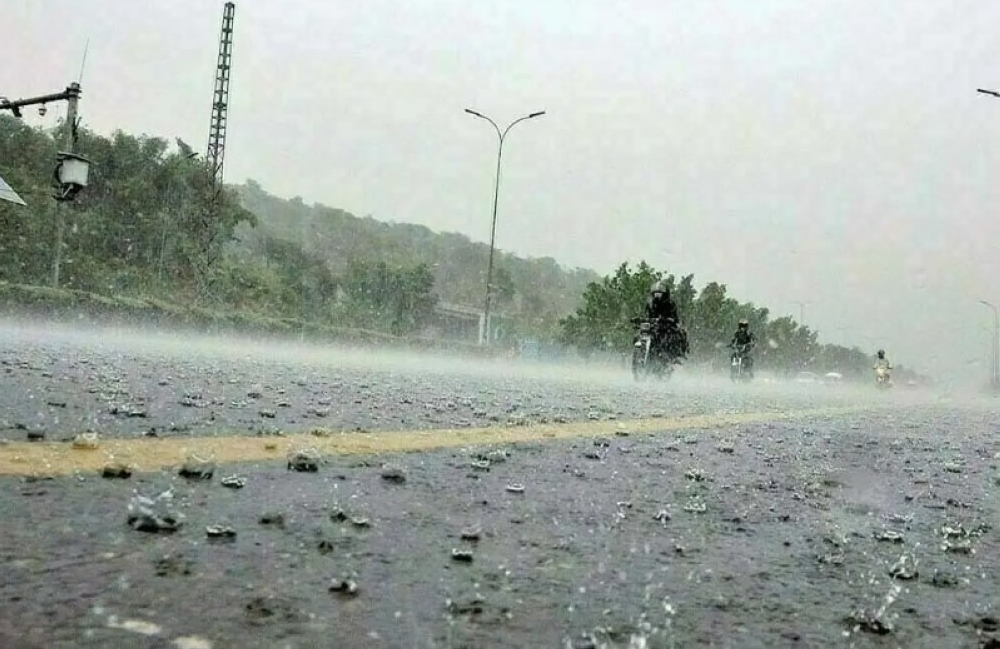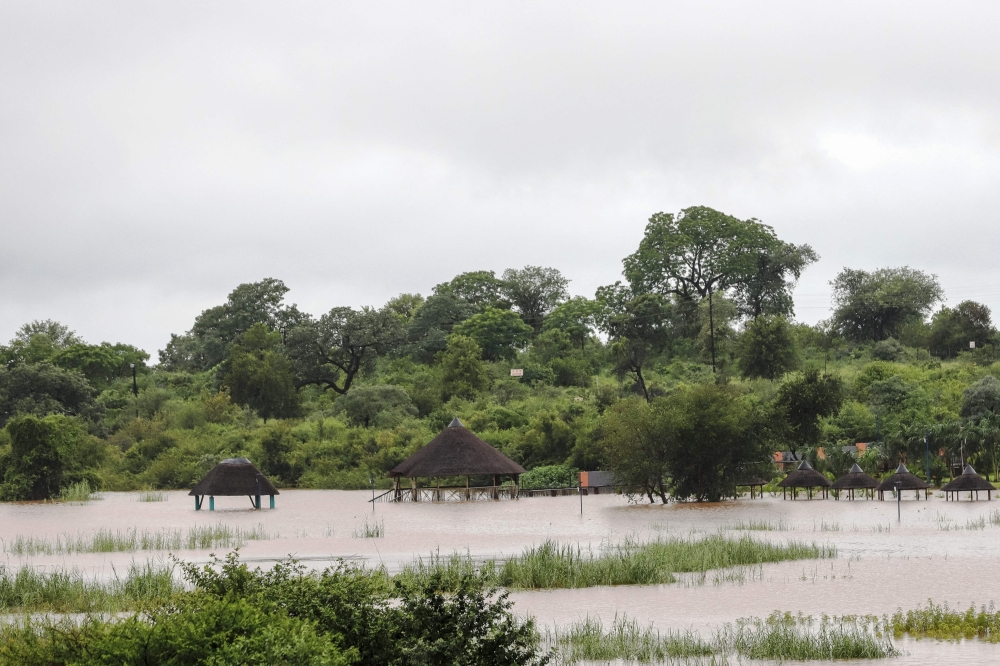
The South African government officially declared a national disaster on Sunday in response to the severe consequences of torrential rains and devastating floods that swept through the country, killing at least 30 people and causing widespread destruction of infrastructure and property, particularly in the northern regions.
The Ministry of Cooperative Governance and Traditional Affairs confirmed in an official statement that the decision was made to enable the government to intensify relief efforts and allocate necessary resources urgently. The most severe damage was concentrated in the Limpopo and Mpumalanga provinces, where homes were flooded, bridges were washed away, and main roads were cut off, isolating many communities and hindering rescue teams' access.
Activating the Disaster Management Law
Declaring a “national state of disaster” is a legal measure that grants the government exceptional powers to bypass bureaucratic obstacles, facilitating the release of emergency funds and the mobilization of human and material resources from various sectors of the state. This measure primarily aims to protect lives, provide temporary shelter and food for those affected, and immediately begin repairing vital infrastructure such as hospitals, power plants, and water networks damaged by the floods.
Climate context and recurring challenges
This event is not isolated from the climate changes affecting Southern Africa. In recent years, South Africa has faced extreme weather fluctuations, ranging from severe droughts to devastating floods. This event evokes memories of the 2022 Durban and KwaZulu-Natal floods, the worst in the country's modern history. Meteorologists indicate that the La Niña weather phenomenon has contributed to above-average rainfall this season, placing immense pressure on the country's drainage systems and dams.
Broad regional impacts
The severe weather was not confined to South Africa; the effects of the low-pressure system extended to neighboring countries, with Mozambique and Zimbabwe experiencing heavy rainfall that caused their shared rivers to overflow. These developments raise concerns about a worsening humanitarian crisis in the region, particularly in rural areas heavily reliant on agriculture, where flooding threatens to wash away crops and jeopardize food security for the upcoming season.
Emergency teams and the army in South Africa are continuing search and rescue operations, amid ongoing warnings from the Meteorological Service of the possibility of continued rainfall, urging citizens in low-lying areas to exercise extreme caution and evacuate immediately if necessary.