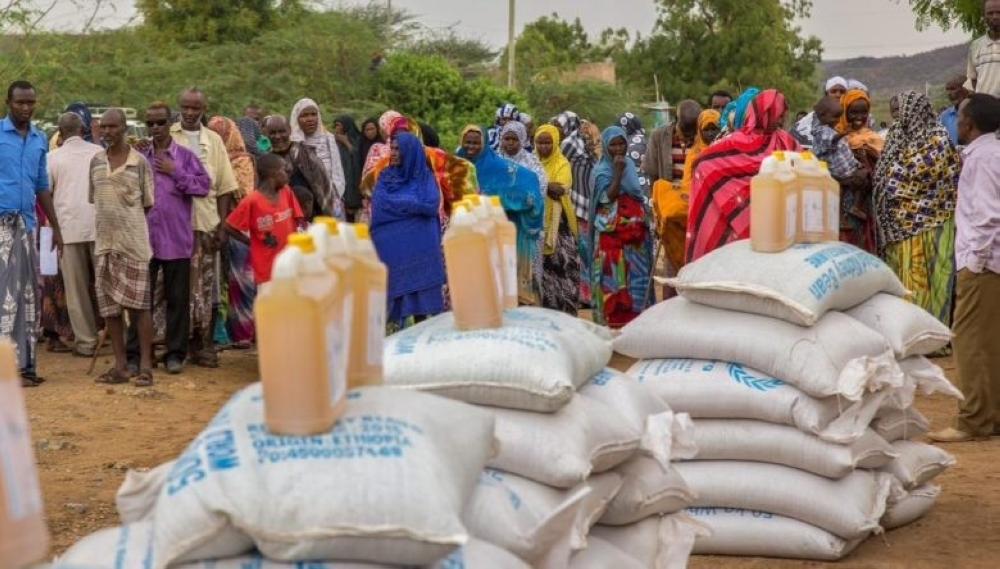
UN agencies have warned of a catastrophic worsening of the food security crisis in Somalia, where the number of people facing acute hunger has doubled in just one year to 6.5 million. This alarming figure, representing a significant proportion of the country's population, puts Somalia on the brink of a devastating famine unless urgent and coordinated international action is taken.
Deep-rooted causes of a recurring crisis
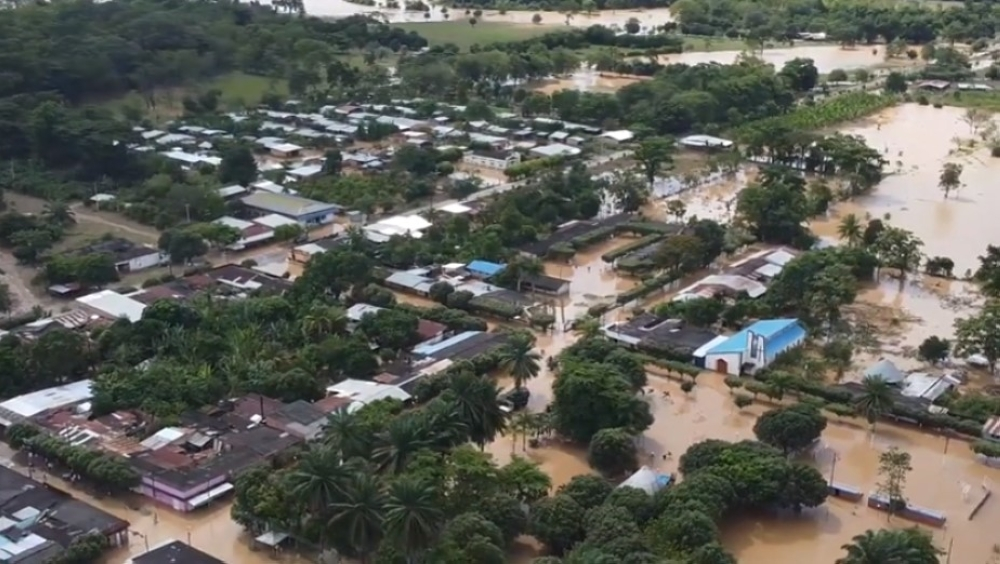
This tragic decline stems from a deadly confluence of several factors. On the one hand, Somalia, like other countries in the Horn of Africa, is suffering the severe effects of climate change, manifested in successive droughts and unprecedented rainfall deficits for two consecutive seasons. This has led to the destruction of crops and the death of livestock, which form the backbone of the economy and livelihoods of millions of Somalis in rural areas.
On the other hand, the ongoing conflict and insecurity further complicate the situation. Internal conflicts and operations by extremist groups are hindering the delivery of humanitarian aid to the most affected areas in the central and southern parts of the country, preventing farmers from accessing their land, and causing mass displacement of the population, depriving them of their livelihoods and increasing their dependence on aid.
Historical context and dimensions of the current crisis
This is not the first time Somalia has faced the specter of famine. In 2011, a catastrophic famine claimed the lives of an estimated quarter of a million people, half of them children. Today, aid organizations warn that current indicators suggest a repeat of this horrific scenario. According to the Integrated Food Security Phase Classification (IPC), a global measure of hunger, more than two million of the 6.5 million people in Somalia are currently classified as being in the “emergency” phase (Phase 4), the final step before a “catastrophe” or famine (Phase 5) is declared.
Local, regional and international impacts
Domestically, the crisis is causing massive internal displacement, with families fleeing their villages in search of water, food, and shelter, leading to overcrowded camps and disease outbreaks. Rates of acute malnutrition among children are also rising alarmingly, threatening an entire generation with long-term health and developmental consequences.
Regionally, the escalating crisis threatens to destabilize the region, with the potential for new waves of refugees to flow into neighboring countries like Kenya and Ethiopia, which are already grappling with economic and environmental challenges. Internationally, the crisis is placing immense pressure on the global humanitarian system, which is already facing budget shortfalls due to the multitude of global crises. Experts emphasize that inaction now will not only result in a tragic loss of life but will also cost the international community far more in the long run.