تسببت عاصفة ثلجية قوية في إحداث شلل واسع النطاق في حركة النقل والمواصلات جنوب الولايات المتحدة الأمريكية، حيث أدت الظروف الجوية القاسية إلى إلغاء آلاف الرحلات الجوية ووقوع حوادث مرورية خطيرة، بما في ذلك حادث اصطدام قطار بشاحنة، مما يسلط الضوء على حجم الأزمة التي تواجهها مناطق غير معتادة على هذا النوع من الطقس الشتوي القاسي.
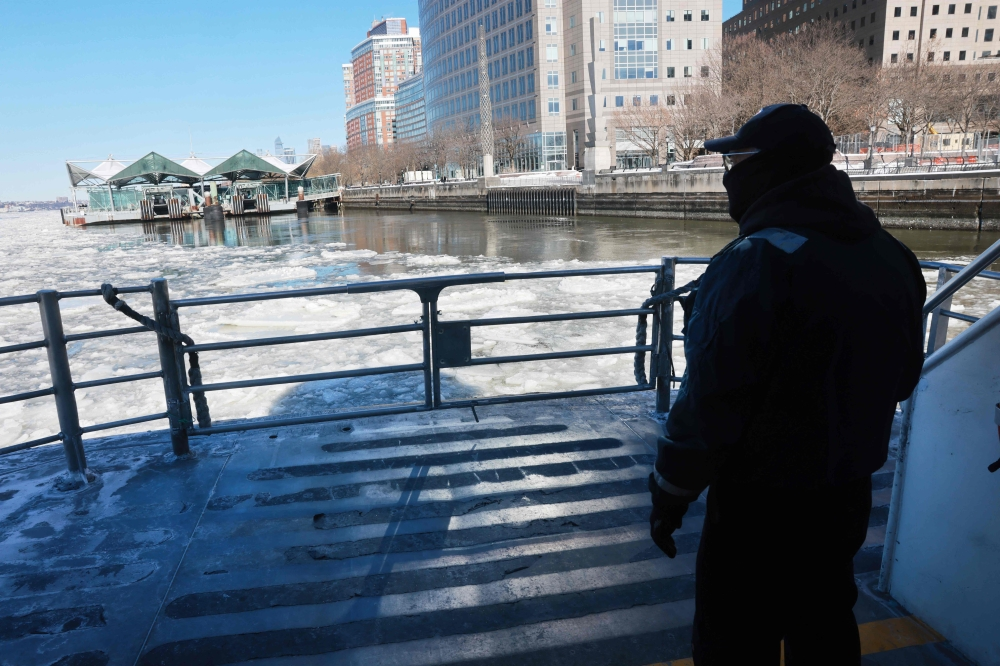
وقد اجتاحت موجة البرد القارس، المصحوبة بتساقط كثيف للثلوج، ولايات مثل كارولاينا الشمالية والجنوبية، جورجيا، تينيسي، وكنتاكي، حيث سجلت درجات حرارة قياسية دون الصفر. وأصدرت السلطات تحذيرات عاجلة للسكان، وحثتهم على البقاء في منازلهم وتجنب الطرق التي تحولت إلى مسارات جليدية خطرة، خاصة مع تراكم الثلوج الذي وصل إلى 37 سنتيمتراً في بعض المناطق.
السياق العام وتأثيرات الطقس المتطرف
تأتي هذه العاصفة في سياق نمط متزايد من الظواهر الجوية المتطرفة التي تضرب أمريكا الشمالية، والتي يربطها العلماء بتغير المناخ. ففي حين أن الولايات الشمالية مجهزة للتعامل مع فصول الشتاء القاسية، فإن البنية التحتية في الولايات الجنوبية، بما في ذلك شبكات الكهرباء والطرق، غالباً ما تكون أقل استعداداً لمواجهة تراكم الجليد والثلوج الكثيفة، مما يؤدي إلى اضطرابات أشد وطأة. وتأتي هذه الموجة بعد أيام فقط من عاصفة شتوية أخرى أودت بحياة أكثر من 100 شخص في أنحاء متفرقة من البلاد، مما يضاعف من حالة التأهب والإرهاق لدى فرق الطوارئ.
تداعيات واسعة على قطاع النقل والاقتصاد
كان التأثير الأكبر للعاصفة على قطاع النقل. فقد أُجبر مطار شارلوت-دوغلاس الدولي في كارولاينا الشمالية، وهو أحد المراكز الرئيسية لشركة “أميريكان إيرلاينز”، على إلغاء أكثر من 1800 رحلة جوية خلال يومي السبت والأحد، مما تسبب في فوضى عارمة للمسافرين على الصعيدين المحلي والدولي. وعلى الأرض، لم يكن الوضع أفضل حالاً، حيث سجلت شرطة المرور في كارولاينا الشمالية وحدها حوالي 750 حادثاً مرورياً. وفي مشهد دراماتيكي، أظهر مقطع فيديو في مدينة غاستونيا قطاراً سريعاً يصطدم بشاحنة متوقفة على السكة الحديدية، محطماً إياها بالكامل، ورغم عدم وقوع إصابات، إلا أن الحادث يعكس مدى خطورة الموقف. تتجاوز التأثيرات قطاع النقل لتشمل الاقتصاد المحلي، حيث أُغلقت المدارس والشركات، وتوقفت سلاسل الإمداد، مما يكبّد المنطقة خسائر اقتصادية كبيرة.