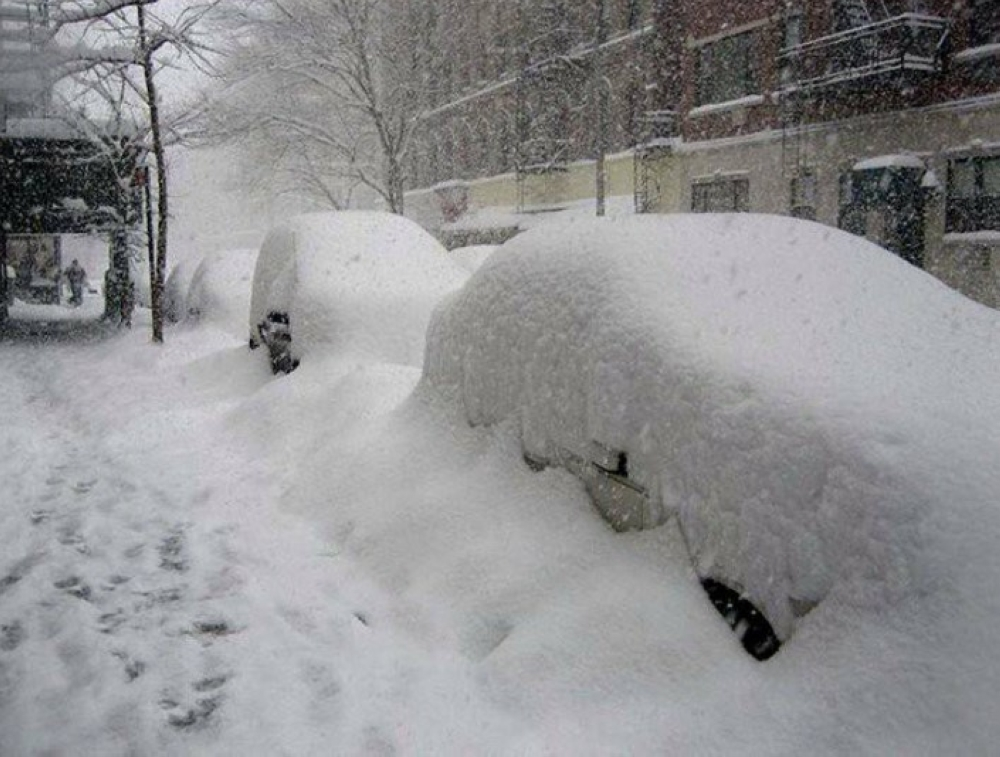
A rare winter scene in the sunny state
In an exceptional weather event occurring for the second year in a row, snow briefly blanketed lawns and rooftops in parts of western Florida this morning. The state, known as the "Sunny State" for its subtropical climate, was transformed into a white winter wonderland in some areas, surprising residents and weather enthusiasts alike.
This phenomenon resulted from extremely cold air currents following a cold front that crossed the region, causing a sharp drop in temperatures and transforming the last rain showers into soft snowflakes. Although the accumulation was limited and quickly melted, the event itself carries significant climatic implications, especially when compared to the usual weather patterns in this warm region.
Sharp variations in American weather
While Florida welcomed these light snow showers as a rare occurrence, other parts of the United States are facing harsh and typical winter conditions. Official warnings have been issued for heavy blizzards that could disrupt daily life and travel in parts of North Dakota and Minnesota. Forecasts also indicate the possibility of more heavy snow in the northeastern United States, highlighting the wide variations in weather currently affecting the country.
Historical context and recurrence of the phenomenon
The occurrence of snowfall for the second consecutive year indicates significant changes in weather patterns. Some of these areas experienced heavy snowfall in January of last year, with accumulations reaching up to 20 centimeters in some locations. That event was described at the time as the heaviest snowfall seen in many of these areas since the late 18th century, making the recurrence of this phenomenon—albeit to a lesser extent—a cause for concern.
Potential effects of cold weather
Cold waves and frost are particularly sensitive in Florida due to the state's heavily agricultural economy, especially citrus farming, which is negatively impacted by sub-zero temperatures. Furthermore, even light snowfall poses a challenge to road safety in a state where residents lack extensive experience driving on slippery roads and where snow removal infrastructure is less developed than in northern states.