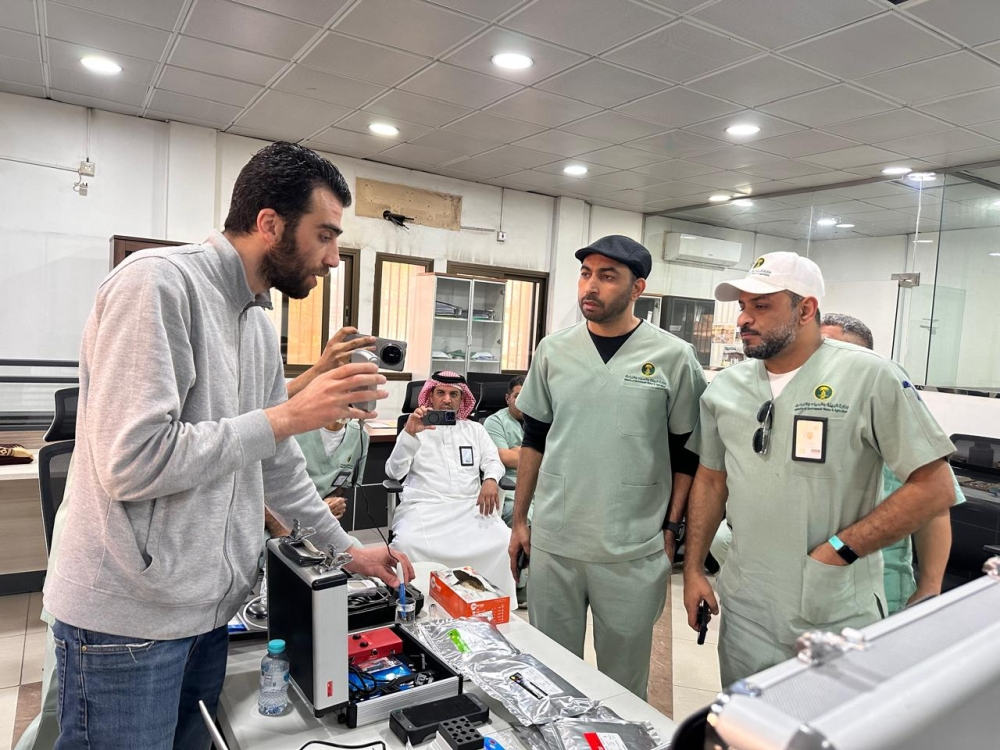
In a significant step aimed at enhancing the food safety system, the Eastern Province branch of the Ministry of Environment, Water and Agriculture organized an intensive specialized workshop. The workshop focused on training regulatory staff and compliance teams in the use of the latest global technologies in health inspection. This initiative covers a wide range of facilities, including more than 70 public markets and slaughterhouses located throughout the region's cities and governorates, reflecting the Ministry's commitment to raising the quality standards provided to consumers.
The context of digital transformation and Vision 2030
This step is not isolated from the Kingdom's general direction, but rather falls within the objectives of Vision 2030, which aims to automate government procedures and achieve digital transformation across all vital sectors. The Ministry of Environment, Water and Agriculture has been working for some time to replace traditional monitoring mechanisms with smart systems that ensure accurate results and rapid decision-making. The markets and slaughterhouses sector is a cornerstone of food security, as quality control within it directly contributes to promoting public health and preventing foodborne illnesses, which explains the growing focus on developing monitoring tools in this sector.
Strategic partnership to enhance efficiency
Engineer Fahd Al-Hamzi, Director General of the Ministry's Eastern Province branch, emphasized that the workshop focused primarily on enhancing the technical skills of specialists and enabling them to effectively utilize modern technology in fieldwork. The workshop also featured strategic collaboration with the private sector, represented by Al-Bahatha Trading Establishment, in a model that reflects the integration of roles between the public and private sectors. This collaboration aims to combine commercial and technical expertise with regulatory work, thereby accelerating the modernization of inspection mechanisms.
From traditional surveillance to smart detection
For his part, Dr. Ali Al-Hajji, Director of the Markets and Slaughterhouses Department at the branch, explained that the training program went beyond theory to include intensive practical and field applications. The capabilities of the new monitoring equipment were reviewed, which allows for the early and accurate detection of signs of spoilage in food products and meat that may not be visible to the naked eye. This qualitative leap aims to transform inspection processes from mere routine procedures into precise examinations based on data and vital indicators, thus reducing the margin of human error.
Expected economic and health impact
This development initiative carries significant economic and health dimensions. On the health front, it ensures access to safe and wholesome food products for citizens and residents, thus improving public health indicators. Economically, enhancing confidence in local markets through rigorous and intelligent oversight contributes to stimulating commercial activity and increasing consumer demand. These efforts are part of a comprehensive plan to standardize safety measures in the Eastern Province, guaranteeing a sustainable and safe food environment for all.