Singapore recorded a remarkable health and environmental achievement at the end of 2025, as dengue fever cases fell to their lowest level in seven years, reflecting the success of national strategies in combating this tropical endemic disease.
According to official data released by Singapore's National Environment Agency (NEA), only about 3,990 cases of dengue fever were recorded up to December 26, 2025, with four deaths. This represents a dramatic decrease of up to 70% compared to the previous year, 2024, which saw 13,651 cases. This is the lowest figure since 2018, when 3,282 cases were recorded, indicating a significant shift in the disease's control.
Project Wolpancia: Singapore's biological weapon
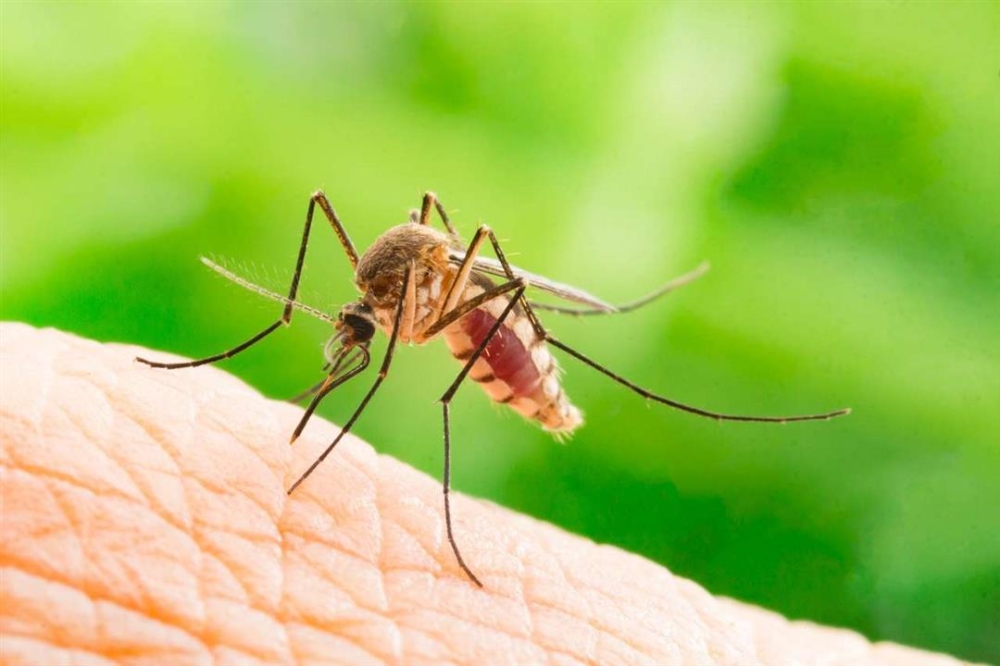
The National Environment Agency attributed this significant decrease in part to the success of Project Wolbachia. This innovative scientific initiative involves releasing male Aedes aegypti mosquitoes that have been bred in a laboratory and injected with Wolbachia bacteria. These bacteria are harmless to humans, but when the infected males mate with wild female mosquitoes, the resulting eggs do not hatch, leading over time to a dramatic reduction in the mosquito population without the need for excessive use of chemical pesticides.
Environmental context and climate challenges
These findings are particularly significant given Singapore's geographical location. As a tropical country with a hot and humid climate year-round, it provides an ideal breeding ground for mosquitoes. Historically, Singapore has experienced periodic dengue fever outbreaks, especially with global warming increasing mosquito activity and accelerating their life cycle. Therefore, Singapore's success in reducing dengue numbers amidst these global climate challenges serves as a model for other countries struggling with vector-borne diseases.
Regional and international importance
Internationally, public health officials are watching Singapore's experience with great interest. While the World Health Organization warns of the increasing spread of dengue fever to new areas around the world, including parts of Europe and the Americas, Singapore offers practical proof of the effectiveness of biotechnology and strict environmental controls. The impact of this decline is not limited to health; it also extends to the economy by reducing the burden on the healthcare system and protecting the tourism sector, a cornerstone of the Singaporean economy, thus reinforcing its position as one of the safest health destinations in Asia.