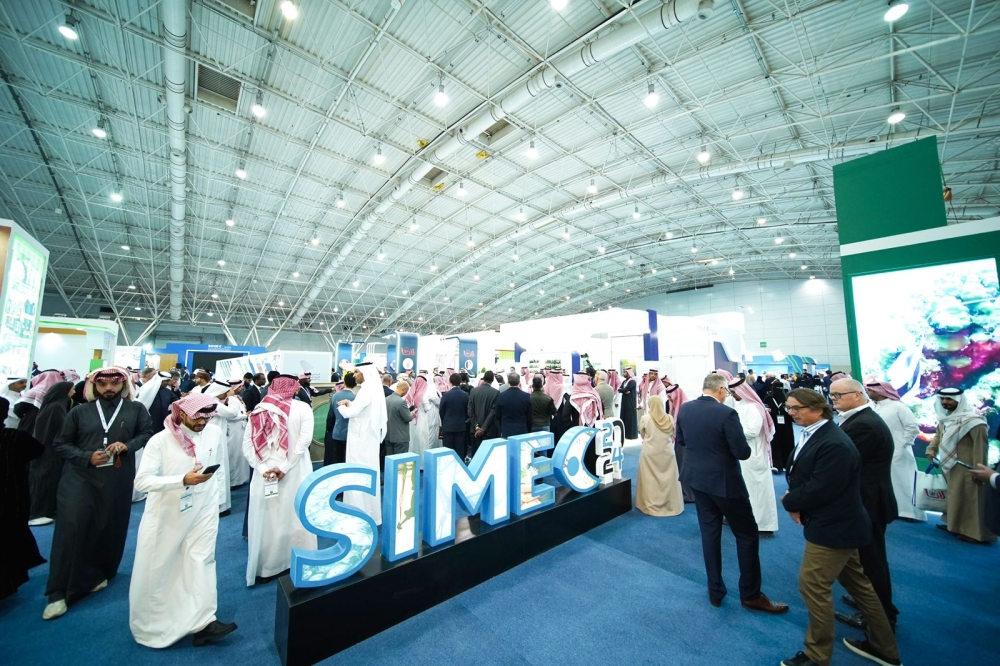
Under the patronage of the Deputy Minister of Environment, Water and Agriculture, Engineer Mansour bin Hilal Al-Mashiti, the fifth International Fisheries Exhibition (SIMEC) will commence tomorrow, Monday, January 26, at the Riyadh International Convention and Exhibition Center. The three-day event will run until Wednesday, January 28. This event underscores the Kingdom of Saudi Arabia's position as a leading regional hub for the food industry and the sustainability of natural resources.
Strategic context and ambitious vision
This exhibition is not merely a fleeting trade event; it aligns perfectly with the objectives of Saudi Vision 2030, which places great emphasis on the fisheries sector as a cornerstone for achieving food security and diversifying the economy away from oil. Through the National Fisheries Development Program, the Kingdom aims to leverage its extensive coastlines on the Red Sea and the Arabian Gulf to increase seafood production and enhance self-sufficiency, a fact reflected in the growing international participation in the exhibition year after year.
A global platform for partnerships and investment
SIMEC is a leading international platform that brings together a select group of experts, decision-makers, and stakeholders in the fisheries and aquaculture sector. This year's exhibition features broad participation from over 30 countries and more than 120 local and international companies and organizations. The event is expected to attract approximately 3,500 local businesspeople, 450 international businesspeople, and over 15,000 visitors, in addition to the participation of 15 government entities and 5 international pavilions, making it an ideal opportunity to build strong business alliances.
The importance of the event and its economic impact
The exhibition holds significant strategic importance at both the regional and international levels, aiming to showcase the latest technologies and innovations in aquaculture, fisheries, animal feed, algae, seafood processing, shipbuilding, and port services. It also highlights the promising investment opportunities within the sector in the Kingdom, thereby enhancing the chances of attracting foreign capital and localizing modern technologies. The exhibition will witness the signing of 15 strategic cooperation agreements, directly contributing to supporting the Kingdom's exports of fish products and developing the maritime industries.
Participating countries and accompanying events
The list of participating countries is diverse, representing a range of economic powers and expertise, including Kuwait, Bahrain, Qatar, Oman, the UAE, Iraq, Syria, Morocco, Russia, Egypt, Norway (a global leader in this field), Somalia, Mauritania, and the Maldives, in addition to the Food and Agriculture Organization of the United Nations (FAO). The accompanying program includes specialized workshops, culinary competitions, and various events aimed at exchanging experiences and raising awareness about the importance of seafood consumption.
Knowledge transfer and technology localization
The exhibition's scientific program focuses on knowledge transfer through specialized workshops addressing vital issues, most notably foundational studies to support inland aquaculture projects, modern seafood auction hall systems, and smart planning for sustainable aquaculture. It will also cover closed floating pond technologies, semi-enclosed aquaculture environments, best aquaculture practice certifications, and an ecosystem approach to fisheries management.
At the conclusion of the exhibition, panel discussions will be held addressing national quality marks, the aquaculture development program from scientific research to commercial innovation, algae biotechnology, smart seafood manufacturing, in addition to reviewing the latest technologies in organic waste management to enhance agricultural production, thus consolidating the concept of the circular economy and environmental sustainability.