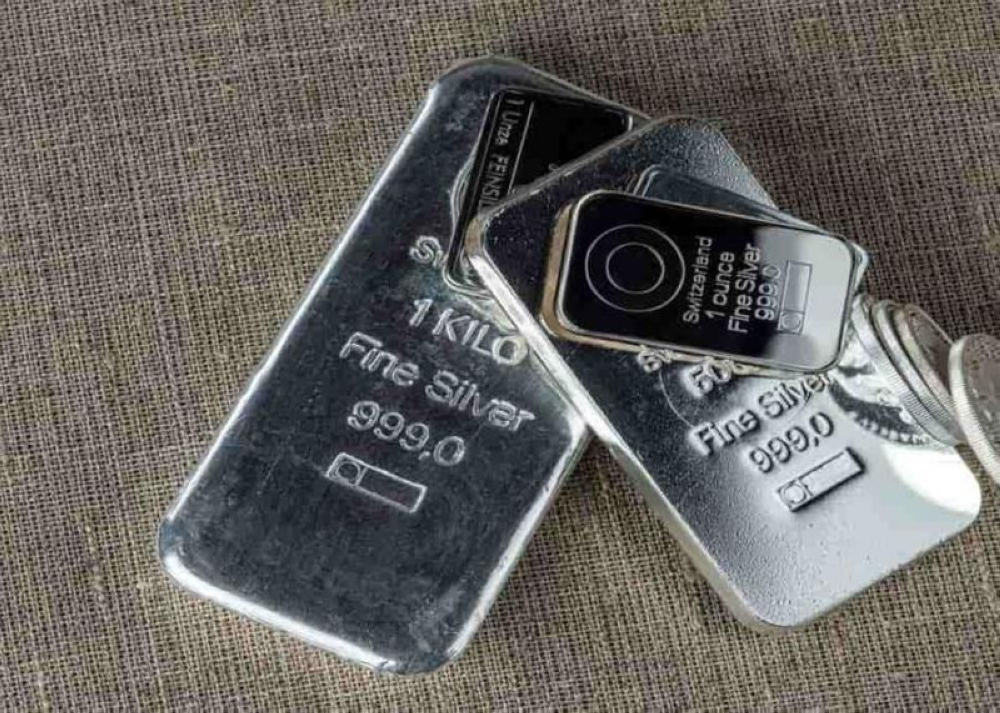
Silver prices have experienced sharp fluctuations in global markets recently, with the precious metal reaching record highs not seen in years, surpassing $30 an ounce, before experiencing a decline and price correction. This dramatic price movement has left investors and analysts sharply divided between an optimistic camp that believes strong market fundamentals support further gains, and a pessimistic camp that warns of a speculative bubble destined to burst.
Historical background: Silver between industry and investment
Silver occupies a unique position in the commodities world, combining the characteristics of a precious metal, used as a safe haven and store of value like gold, with its essential role in numerous advanced technological applications. Historically, silver prices have experienced dramatic fluctuations, most notably the sharp rise in 1980 due to the Hunt brothers' attempt to monopolize the market, and the surge to nearly $50 an ounce in 2011. This historical background demonstrates that silver is inherently a volatile asset, and that meteoric rises are often followed by sharp corrections, fueling the concerns of today's pessimists.
The pessimistic scenario: Has the silver lost its luster?
Leading the pessimistic view are prominent analysts such as Marko Kolanovic, former chief strategist at JPMorgan, who believes the recent rally is driven primarily by liquidity inflows and frenzied speculation rather than a genuine reflection of physical supply and demand. This group warns that the current price movement appears “fragile” and “distorted,” and could repeat past scenarios where prices plummeted after reaching their peak. Kolanovic believes the market may be facing a “psychological trap,” where small investors are drawn into the market at its peak, only to suffer heavy losses when the sharp correction, which he sees as inevitable, occurs.
Optimistic scenario: Strong fundamentals support the upward trend
In stark contrast, optimists argue that current conditions are radically different from previous cycles, and that strong structural factors support the continuation of the upward trend in silver prices. These factors consist of two main points:
- Unprecedented Industrial Demand: Silver is dubbed the “green transition metal” as it plays a crucial role in sustainable technologies. It is a key component in the manufacture of solar panels (photovoltaic cells), electric vehicles, and 5G networks. As the global shift toward clean energy and electrification accelerates, industrial demand for silver is expected to grow exponentially—a demand that is inelastic and difficult to replace with other materials due to silver’s unique electrical and thermal conductivity properties.
- Structural supply deficit: Reports from specialized institutions such as the Silver Institute and major investment banks like HSBC indicate that the silver market suffers from a persistent structural deficit, with total demand (industrial and investment) exceeding the supply from mines and recycling. This deficit is expected to widen in the coming years, providing strong fundamental support for long-term prices, regardless of short-term speculative fluctuations.
Potential impacts on the global economy
The trajectory of silver prices has implications that extend beyond commodity markets. Internationally, continued price increases could drive up the production costs of renewable energy technologies, potentially slowing the global green transition. Regionally and locally, this impacts jewelry markets and savings patterns, potentially pushing more individuals to turn to precious metals as a hedge against inflation and economic uncertainty. Ultimately, the future of silver hinges on the strength of its industrial fundamentals and its appeal to speculators, and the interplay between these two factors will determine its direction in the coming period.