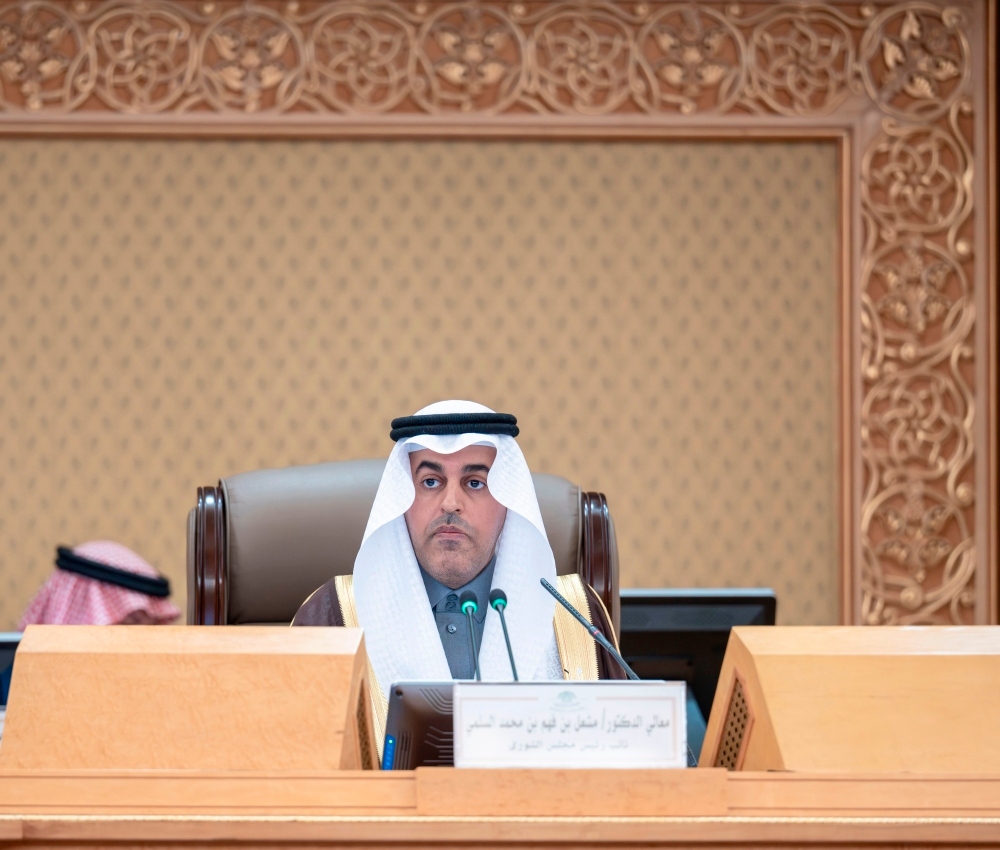
In a move reflecting the growing importance of developing the higher education sector in the Kingdom of Saudi Arabia, the Shura Council, during its twentieth regular session chaired by the Council's Vice President, Dr. Meshal bin Fahm Al-Sulami, issued a set of important decisions and directives targeting three leading Saudi universities: Jazan University, Imam Abdulrahman bin Faisal University, and King Faisal University. These directives come within the framework of the periodic monitoring of the performance of government institutions and ensuring that their plans align with the Kingdom's overarching national goals, foremost among them the Kingdom's Vision 2030.
General context and the role of the Shura Council in developing education
The Saudi Shura Council is an advisory body that plays a pivotal role in reviewing regulations and public policies and providing recommendations to the government. In recent years, the Council's role in overseeing the performance of government agencies, including the education sector, has grown significantly. Discussing university annual reports is part of this oversight, aiming to evaluate achievements, identify challenges, and propose strategic solutions that contribute to enhancing the efficiency of these educational institutions and strengthening their role in sustainable development and building a knowledge-based economy.
Jazan University: Towards Strategic Alignment and Digital Efficiency
Jazan University received significant attention during the council session, with the resolution urging it to align its initiatives with its strategic objectives and emphasizing the importance of adopting clear performance indicators to measure achievement. The council also called on the university to enhance the efficiency of its digital transformation system, which aligns with the national drive to digitize government services. Recommendations further included improving the quality of its academic programs to ensure the graduation of qualified professionals who meet the evolving needs of the labor market, completing its corporate identity to reflect the comparative advantages of the Jazan region, and leveraging the regulatory incentives of special economic zones to develop innovative investment models.
Imam Abdulrahman bin Faisal University: Enhancing financial sustainability and addressing challenges
Regarding Imam Abdulrahman bin Faisal University, the Council's recommendations focused on the financial and investment aspects, urging the university to develop its investment and endowment portfolio to enhance its self-generated resources and achieve financial sustainability. This directive is particularly important given the new university system, which grants educational institutions greater autonomy. The Council also requested the university to investigate the reasons for the decline in enrollment in postgraduate programs and medical fellowships, and to develop solutions to address this challenge, which impacts the university's scientific research and innovation capabilities.
King Faisal University: Discussion on Sustainable Development and Quality of Life
The council also discussed King Faisal University's annual report, with one member calling for the university's educational, research, and community roles to be aligned with the goals of quality of life, environmental sustainability, and food security—vital issues for the Al-Ahsa region, where the university is located. The Education and Scientific Research Committee requested more time to study the proposals, reflecting the depth of the discussion and the desire to produce well-considered recommendations that will benefit both the university and the region.
Expected impact on the Saudi educational landscape
These directives issued by the Shura Council are not merely administrative decisions, but rather clear indicators of a future roadmap for higher education in the Kingdom. These decisions are expected to accelerate the transformation of the universities concerned, propel them toward greater innovation, enhance their competitiveness both locally and internationally, and deepen their connection to development needs and the labor market, ultimately contributing to the paramount goal of building a globally competitive Saudi citizenry.