The Shura Council sets a roadmap for developing higher education in the Kingdom
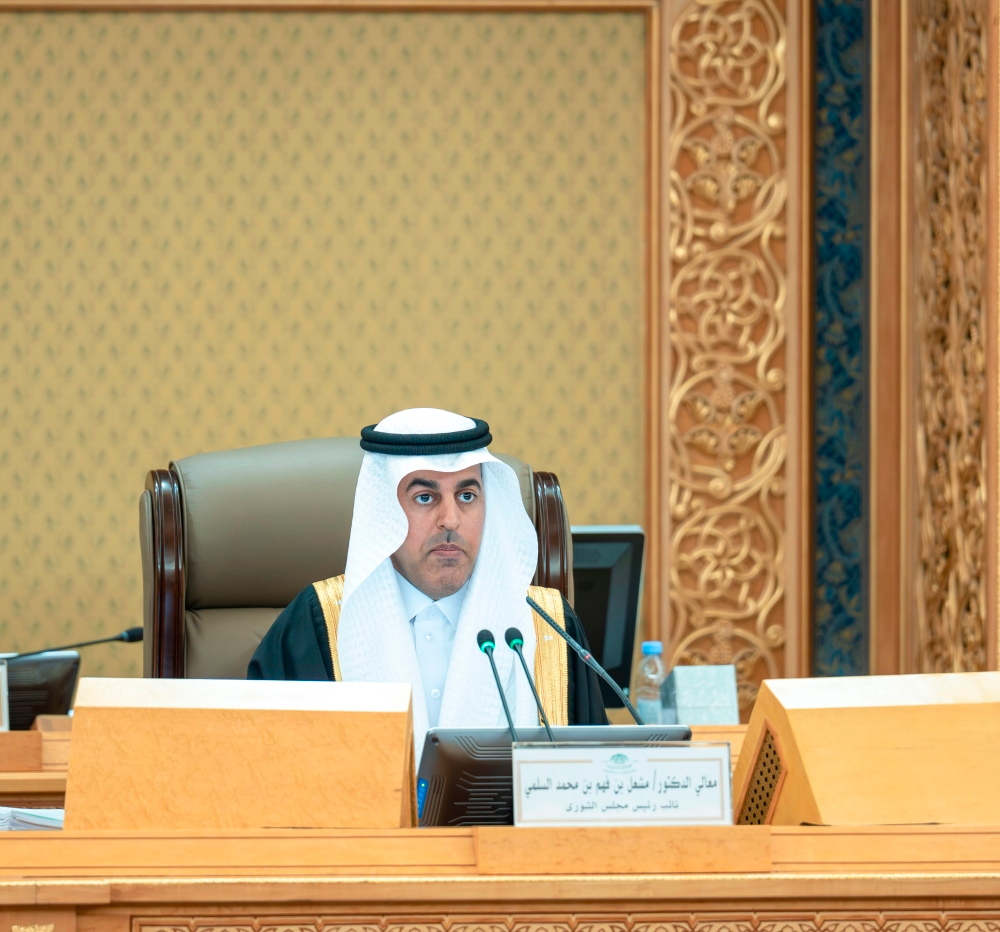
In a move reflecting the strategic importance the Kingdom places on developing the higher education sector, the Saudi Shura Council, during its 21st regular session chaired by the Council's Vice President, Dr. Mishaal bin Fahm Al-Sulami, issued a series of important decisions and directives to several major Saudi universities. These directives, based on the universities' annual reports, aim to enhance their operational efficiency, improve the quality of their educational and research outputs, and align their strategies with the ambitious national goals of the Kingdom's Vision 2030.
General context: The role of the Shura Council in achieving the national vision
The Saudi Shura Council is an advisory and legislative body that plays a pivotal role in reviewing the performance of government agencies and providing recommendations for their development. Discussions of annual university reports fall within this oversight and development framework, as the Council seeks to ensure that higher education institutions are steadily progressing towards achieving the goals of Vision 2030, which focuses on building a knowledge-based economy and developing human capital. These decisions are not merely routine procedures, but rather indicators of a strategic direction to link scientific research and academic education to the developmental and economic challenges facing the Kingdom.
Details of the directives issued to universities
The council's decisions included a number of leading universities, with specific guidelines for each to address weaknesses and enhance strengths:
Umm Al-Qura University: Towards Strengthening International Presence
The council urged Umm Al-Qura University to develop its measurement and evaluation system to ensure the accuracy of performance indicators and to prepare a digital corporate communications strategy to enhance its standing both locally and internationally. It also stressed the need to complete the infrastructure at its branches and to study the feasibility of establishing branches outside the Kingdom, reflecting an ambition to expand its global influence.
King Abdulaziz University: Governance and Institutional Leadership
King Abdulaziz University was directed to develop its governance and institutional performance system and to restructure its research centers to become “national solution centers” that address economic and societal challenges. The council also called on the university to study the reasons why some of its scholarship recipients return without obtaining their academic qualifications and to develop mechanisms to address this phenomenon.
Northern Border University: Alignment with the region's comparative advantages
The directives for Northern Border University focused on the need to restructure its colleges in the Rafha and Tarif governorates and to offer programs that align with the region's comparative advantages, particularly in the mining sector. The council also urged the university to build strategic partnerships with this vital sector to support economic development in the region.
Qassim University: A clear institutional identity
Qassim University was asked to highlight its corporate identity and research focus in a way that reflects the comparative advantages of the Qassim region, develop its human resources system, and build indicators to measure the impact of university-supported startups in converting knowledge into economic value.
The importance of decisions and their expected impact
The significance of these directives lies in their ability to propel Saudi universities from their traditional role as educational institutions to that of active drivers of sustainable development. These decisions are expected to enhance the global competitiveness of Saudi universities, improve the quality of their graduates to meet the evolving demands of the labor market, and increase the contribution of scientific research to finding innovative solutions to national challenges. Regionally, this approach reinforces the Kingdom's position as a leading center for education and innovation in the Middle East.
Future discussions about Princess Noura University and Al-Baha University
In addition to the binding resolutions, the session witnessed rich discussions on the reports of Princess Nourah bint Abdulrahman University and Al-Baha University. Important proposals were presented calling on Princess Nourah University to establish a global association of women's universities, expand its graduate programs, and intensify its entrepreneurship courses. Discussions regarding Al-Baha University focused on the need to find innovative investment models to enhance its self-generated resources and achieve financial sustainability, as well as to develop accredited distance learning programs.