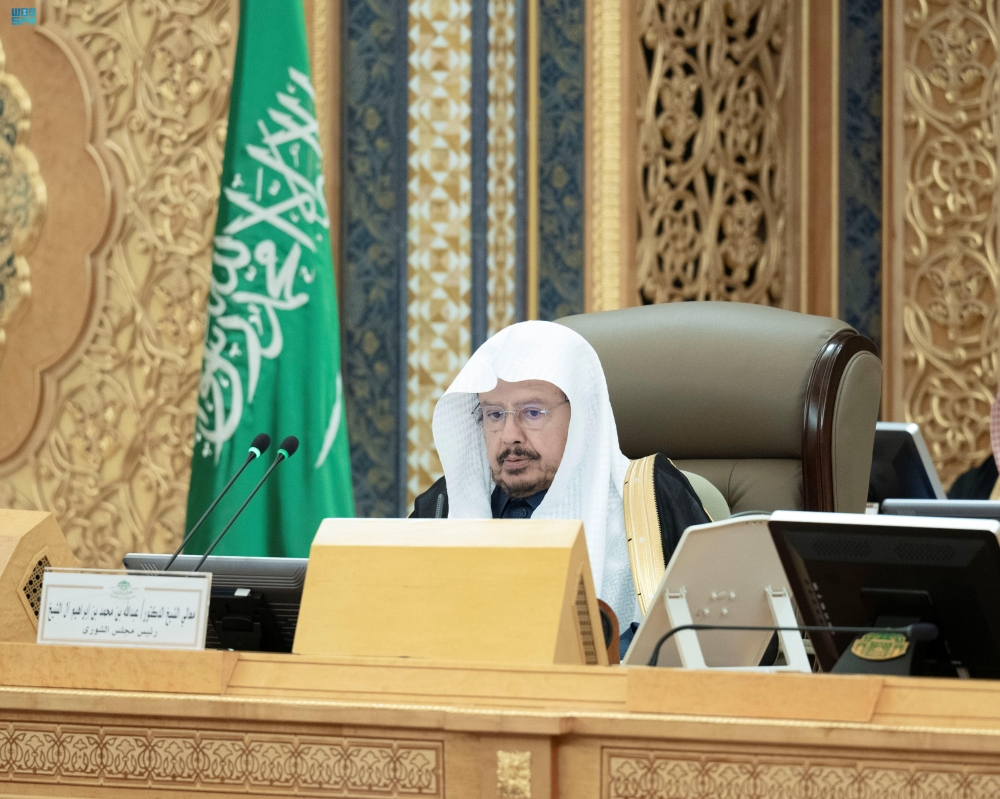
The Shura Council held its eighteenth regular session of the second year of the ninth term today, chaired by His Excellency the Speaker of the Council, Sheikh Dr. Abdullah bin Mohammed bin Ibrahim Al Sheikh. The Council reviewed its agenda, which included discussing performance reports of a number of governmental and educational bodies, most notably King Abdulaziz University and the Northern Borders University, and adopted a set of decisions aimed at raising the efficiency of academic and administrative performance.
Context of transformation in university education
This session comes at a time when the higher education sector in Saudi Arabia is undergoing radical transformations in line with the goals of Vision 2030, particularly with regard to the implementation of the new “Universities System.” This system aims to grant universities controlled autonomy, enabling them to develop their own academic, financial, and administrative regulations, thereby enhancing spending efficiency and raising the quality of educational outcomes to compete with international universities.
Decisions concerning King Abdulaziz University
In this context, the Shura Council issued a firm resolution calling on King Abdulaziz University to accurately measure the impact of its transformational initiatives to ensure full readiness for the implementation of the Universities Law issued by Royal Decree No. M/27. The Council stressed the importance of evaluating the extent to which these initiatives contribute to the effective and sustainable implementation of the law, to guarantee a smooth transition to the new operating model.
The council also requested the university to develop precise performance indicators to assess the effectiveness of existing international partnerships and agreements, and the extent to which they achieve strategic objectives and support institutional development. This decision followed a review of the report from the Education and Scientific Research Committee, chaired by Dr. Nasser Tairan, and interventions from members that focused on:
- Social responsibility: Member Abdullah Al-Tawi called for expanding the university's connection with the community and improving the electronic interface.
- People with special needs: Member Nasser Al-Dughaither praised the university's efforts in this matter, calling for it to be highlighted as a model to be emulated.
- Aligning outputs: Member Fahd Al-Aqran stressed the need to align objectives with the needs of the labor market.
- Research and Innovation: Member Saleh Al-Shamrani urged increased contributions in the fields of the Fourth Industrial Revolution and artificial intelligence.
Discussion of the Northern Border University report
In a related matter, the council discussed the Northern Border University's annual report for the 2024 academic year. The deliberations focused on the need to more effectively align educational outcomes with the labor market. In this context, council member Taqwa Omar called for the establishment of an institutional track for graduate follow-up, linked to performance indicators that measure employment rates, time to job placement, and employer satisfaction levels. This is considered a fundamental pillar of the Human Capital Development Program, one of the Vision 2030 initiatives.
Expected impact and international approvals
These directives are expected to accelerate the development of Saudi universities and raise their international rankings, as well as bridge the gap between higher education and the requirements of national economic development. In addition to educational matters, the Council approved several international memoranda of understanding during its session, including a cooperation agreement in Islamic affairs with Tanzania, a sports memorandum of understanding with the Arab Organization for Administrative Development, and agreements in the field of civil aviation and air transport with both Syria and Cape Verde. This reflects the Council's commitment to strengthening the Kingdom's international relations across various sectors.