The monthly bulletin on average prices of goods and services issued by the General Authority for Statistics in Saudi Arabia revealed a significant increase in the prices of most types of sheep and animal feed during January. This increase directly impacts the livestock sector, a cornerstone of Saudi Arabia's food security system, and affects the budgets of both consumers and livestock breeders.
Details of the rise in sheep prices
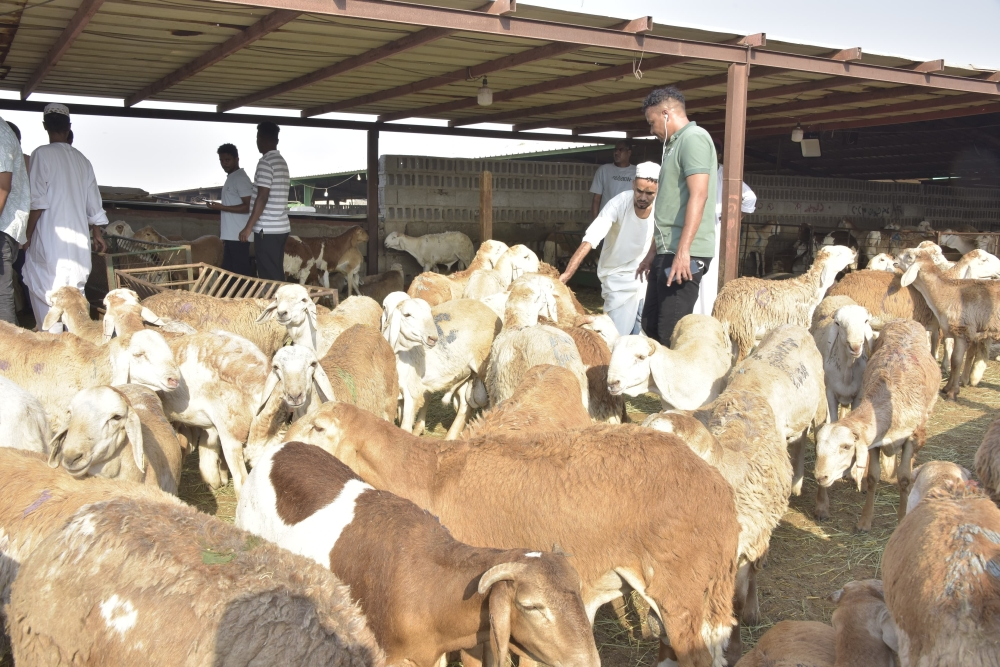
According to official data, local sheep prices have fluctuated, with most breeds recording monthly increases. The following details the most significant changes:
- Najdi sheep: Their price increased by 0.3% to reach 1864.7 riyals per head.
- Naeemi sheep: recorded an increase of 1.2% to reach an average price of 1819.2 riyals.
- Harri sheep: witnessed an increase of 1.7%, and its price reached 1733.1 riyals.
- Swakni sheep: rose by 1.6%, recording a price of 1324.8 riyals.
- of a local goat increased by 0.8% to reach 1197.1 riyals.
- Barbary sheep: Its price increased by 0.7% to reach 663.9 riyals.
Simultaneous increase in feed prices
The price increases were not limited to livestock; they also included feed, which is a major component of breeding costs. The increases were as follows:
- Rhodes grass: recorded the highest jump of 6.1%, bringing the price per bale to 18.8 riyals.
- Hay (hay): Its price increased by 4.1%, reaching 15.4 riyals per bale.
- Alfalfa: Its price increased by 1.7% to reach 30 riyals.
- Cubes: rose by 0.9%, recording a price of 65.6 riyals.
Economic context and the importance of the livestock sector
Livestock, particularly sheep, holds a significant cultural and economic position in the Kingdom. It is not only a primary source of protein in the Saudi diet, but also associated with numerous social and religious occasions, most notably Eid al-Adha. This sector is a vital part of the agricultural economy, providing employment for thousands of citizens and contributing to the Kingdom's Vision 2030 goals of enhancing food security and reducing reliance on imports.
Possible causes and expected effects
This price surge can be attributed to a combination of factors. Globally, grain prices, shipping costs, and logistics directly impact the prices of imported feed, which constitutes a significant portion of domestic market consumption. Locally, prices are influenced by seasonal factors related to increased demand, as well as production costs borne by livestock farmers, including water, energy, and veterinary care. This simultaneous rise in livestock and feed prices places a double burden on farmers, whose operating costs are rising, and on consumers, who are facing increased red meat prices, potentially impacting their purchasing power and consumption patterns.