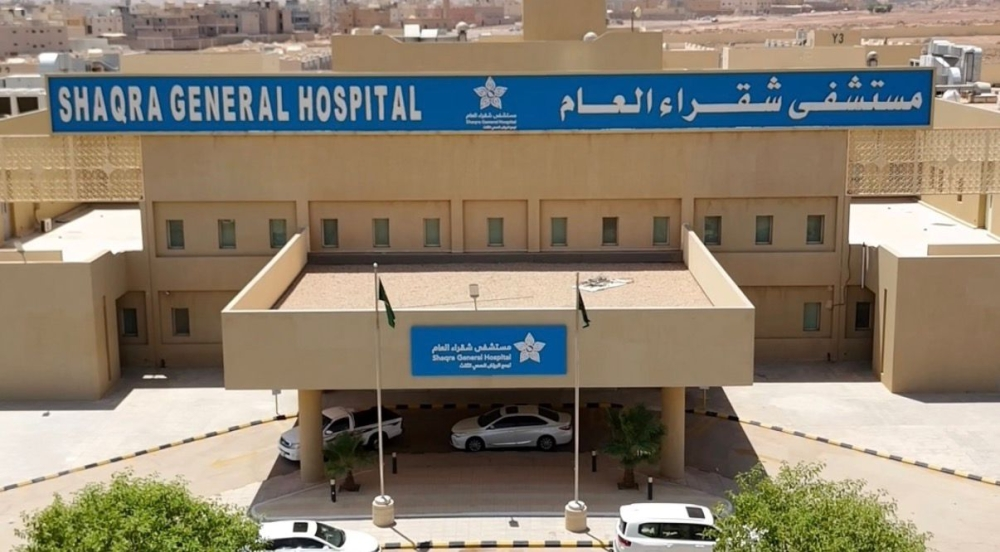
Shaqra General Hospital, a member of the Third Riyadh Health Cluster, announced the completion of a comprehensive package of development projects that have significantly improved the level of healthcare services provided. The hospital increased the capacity of its emergency department by 80% and its outpatient clinics by 60%. This initiative is part of an integrated strategy aimed at enhancing the patient experience, reducing waiting times, and providing advanced healthcare to the residents of Shaqra Governorate and surrounding areas.
Background of development within the framework of the national health transformation
This development is part of the comprehensive transformation program underway in the Saudi Arabian healthcare sector, a key pillar of Vision 2030. The Vision aims to restructure the healthcare system to ensure the delivery of high-quality, efficient services and achieve sustainable healthcare. Health clusters, such as the Riyadh Health Cluster III, are a pivotal tool in this transformation. They aim to implement a modern care model focused on prevention and public health promotion, while granting hospitals and health centers greater administrative and operational flexibility to serve their local communities more effectively. Developing peripheral hospitals, such as Shaqra Hospital, is a vital step to ensure the equitable distribution of healthcare services and reduce pressure on central hospitals in major cities.
Expected local and regional impacts
Locally, this expansion is expected to have a direct and immediate impact on the lives of residents in Shaqra Governorate. Increased emergency room capacity means a faster response to critical and urgent cases, reducing the need to transport patients long distances to Riyadh. This saves valuable time that could save lives and alleviates the financial and psychological burden on patients and their families. Furthermore, upgrading the outpatient clinics and equipping them with the latest technologies will improve diagnostic accuracy and treatment effectiveness, leading to increased overall satisfaction with services. Regionally, the Shaqra Hospital development project represents a successful model that can be replicated in other governorates across the Kingdom, strengthening the national healthcare infrastructure and contributing to balanced development goals.
Technological updates and integrated infrastructure
The significant upgrades in services included substantial improvements in vital departments, most notably the CT scan department, which was equipped with state-of-the-art equipment. Additionally, the academic affairs and training department was enhanced to boost the efficiency of medical staff. The new medical devices were integrated into a smart central control system to ensure accurate diagnoses and rapid medical performance. Assistant Executive Director of Operations, Engineer Abdulaziz Al-Abdulwahab, explained that the projects were implemented according to rigorous international standards focused on patient safety and rapid response. He emphasized that the direct impact of these improvements was immediately reflected in the patient experience through reduced waiting times and streamlined triage and reception processes, thus facilitating the patient's journey within the hospital. These steps align with the requirements of the Saudi Central Board for Accreditation of Healthcare Institutions (CBAHI) and the objectives of the Kingdom's Vision 2030, aiming to strengthen public confidence in healthcare services and provide an advanced model of care that meets the needs of Shaqra Governorate.