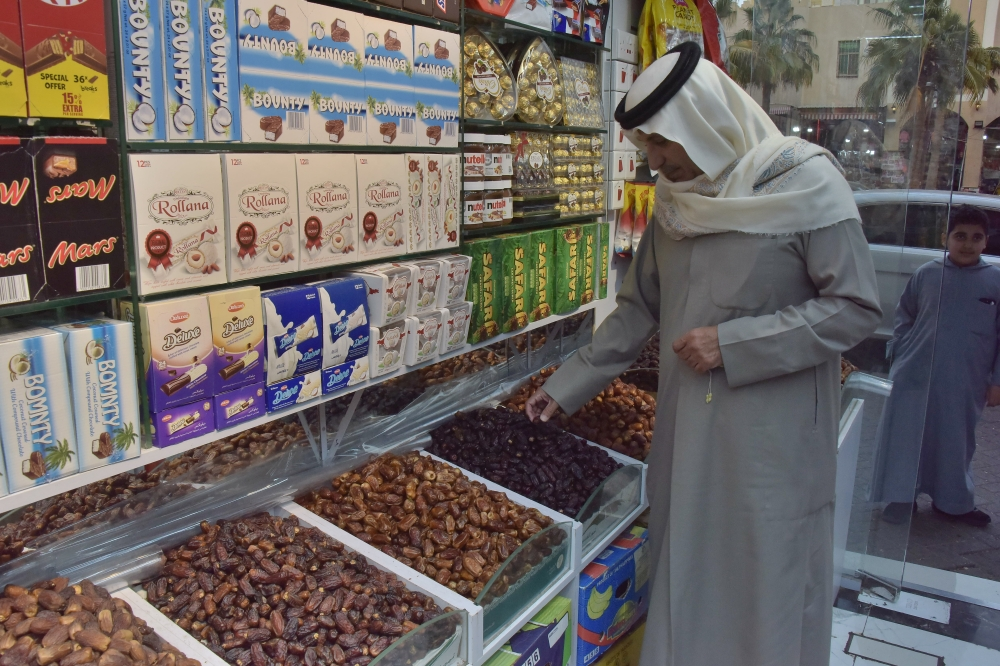
As the holy month of Ramadan approaches, local markets in the month of Sha'ban witness a surge in commercial activity, with families adopting a new consumption pattern based on advance planning and early shopping. This trend is no longer merely a choice, but a smart strategy aimed at easing financial burdens and avoiding the peak crowds that typically arrive in the days leading up to Ramadan, thus allowing shoppers to focus on spirituality and worship.
Cultural background and historical context
The month of Ramadan holds immense religious and cultural significance in the Islamic world, a month in which daily life undergoes a radical transformation. Social customs and long-standing traditions are associated with this month, most notably communal iftar meals, family visits, and tables laden with specific types of food and drinks. Historically, this shift in consumption led to immense pressure on markets during the last week of Sha'ban, causing severe overcrowding and a rush to secure essential supplies. However, a growing awareness of the importance of financial planning and peace of mind has prompted many to change this custom, transforming Sha'ban into a major shopping season.
Shaban: The new peak of shopping
Merchant Ibrahim Al-Junaid confirmed that the month of Sha'ban has become the "true peak season" for Ramadan shopping. He pointed out that demand is not limited to basic foodstuffs such as rice, sugar, and oils, or frozen items like samosas, but extends to Ramadan hospitality supplies, household utensils, and decorations. Al-Junaid added that sales of oud and incense are witnessing a remarkable increase, reflecting the deep significance of perfumes in Saudi and Gulf culture, where families are keen to fumigate their homes and mosques as an integral part of welcoming the holy month and honoring its rituals.
Positive economic impact and price stability
The impact of this trend extends beyond the individual consumer, creating a regulated market recovery. Perfume merchant Ali Saleh explains that business is experiencing a noticeable surge, driven by early preparations from retailers and wholesalers, even from neighboring governorates like Jubail and Al-Ahsa, who are replenishing their stocks in anticipation of the season. Shopper Nasser Al-Hajri reassured consumers about price stability, praising the vital role of regulatory bodies in controlling the market and preventing any attempts at exploitation, thus thwarting manipulation and ensuring an ample supply. This stability boosts consumer confidence and encourages early purchases without fear of price fluctuations.
Between planning and moderation: Calls for rationalizing consumption
Despite the advantages of early shopping, voices are calling for moderation and avoiding extravagance. Shopper Khalid Batarfi believes that preparing for Ramadan should be primarily spiritual, not just material, warning against the waste resulting from emotional buying and excessive stockpiling. Citizen Abdulwahab Al-Matroud agrees, limiting his purchases to two days' worth of necessities to ensure the quality of fresh food. Al-Matroud also highlights a deeply rooted social custom that reduces the need for frequent shopping: the exchange of dishes among neighbors and relatives. This strengthens bonds of affection and minimizes food waste. These calls underscore the importance of balancing the material preparations for the holy month with preserving its spiritual essence, which is based on moderation.