Shaar Castle: An architectural legacy embodying the rich history of Asir
The historic Shaar Castle stands as a silent witness atop the Sarawat Mountains, making it one of the most prominent archaeological sites in the Asir region and a symbol of the defensive architecture that characterized the southern highlands of Saudi Arabia. The castle's significance lies not only in its status as an ancient stone structure, but also in its role as a living record of the region's history, reflecting human ingenuity in adapting to and harnessing the harsh mountain environment to serve security and strategic objectives.
Historical and geographical context: A fortress in the heart of the mountains
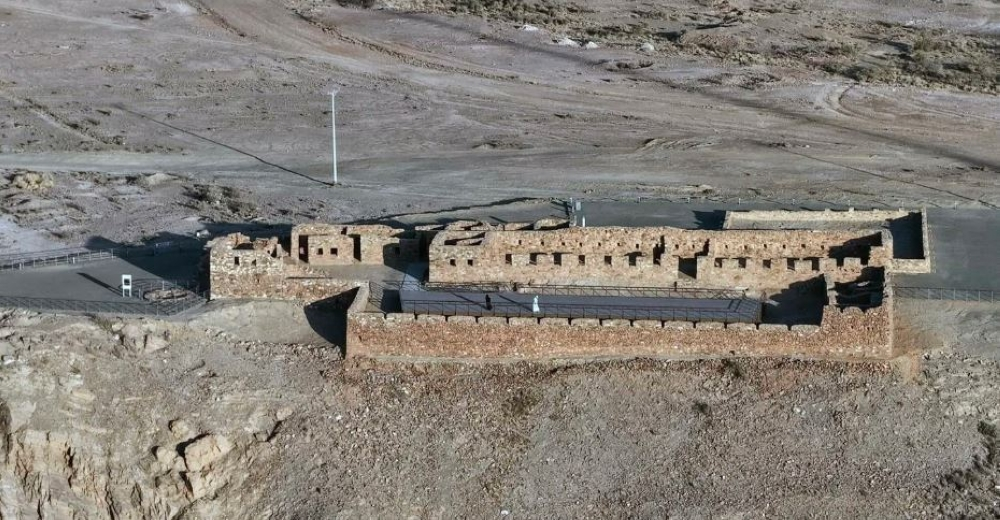
The castle is located in the Baha Shaar region, approximately 33 kilometers north of Abha, in a strategically chosen location at an altitude of between 2,400 and 2,800 meters above sea level. This high elevation gave it a unique defensive advantage, as it overlooks the deep Wadi Tih valley to the west, while hills and valleys surround it on all other sides. This natural setting made the castle an unparalleled observation and monitoring point, commanding a vast expanse of surrounding mountains and plains.
Historically, castles and fortresses were an integral part of the social and political fabric of southern Arabia. The Shaar Castle, as researcher Dr. Ghaythan bin Jaris suggests, was built in stages beginning in the late 13th century AH (19th century CE), with its fortification and expansion continuing until the early 14th century AH. This period coincided with significant political shifts in the region, highlighting its pivotal military role in securing vital trade routes, most importantly the Shaar Pass (formerly known as the Tih Pass), which served as the main artery connecting the Sarawat Mountains and the Tihama coastal plain.
Unique architectural design and castle components
The fortress comprises a group of sturdy stone buildings that blend seamlessly with the site's topography. Its walls were constructed using solid local stone, bonded with a mixture of lime and clay, giving them exceptional strength that has allowed them to withstand the ravages of time and erosion. The design incorporates circular and square watchtowers, spacious inner courtyards likely used for training and assembly, and rooms and storerooms with narrow loopholes (slash-holes) designed for observation, defense, and firing. This architectural design reflects a profound understanding of the art of warfare and the requirements of fortification during that era.
The importance and influence of the castle: from the past to the future
The significance of Shaar Castle lies in its being more than just an archaeological site; it represents a part of the cultural identity of the Asir region and the Kingdom as a whole. Locally, the castle is a source of pride in local history and a vital contributor to the growing cultural tourism sector in the region. Nationally, its restoration and rehabilitation efforts are aligned with the Kingdom's Vision 2030, which places great importance on preserving and showcasing national heritage as a significant economic and cultural asset.
Restoration efforts: The Heritage Authority is bringing the castle back to life
Recognizing its immense historical value, the Heritage Commission is currently undertaking an ambitious project to restore and rehabilitate the archaeological site of Shaar Castle. The project not only repairs damaged sections but also includes a comprehensive rehabilitation of the site to transform it into an attractive tourist and cultural destination. The work encompasses the restoration of walls and towers, the rehabilitation of walkways and courtyards, and the provision of infrastructure and visitor services, all while adhering to the highest international standards to preserve the site's authenticity and archaeological significance. This project is expected to enhance Asir's standing on the Saudi tourism map and attract more visitors and researchers interested in history and traditional architecture.