Urgent warning from the Saudi Food and Drug Authority
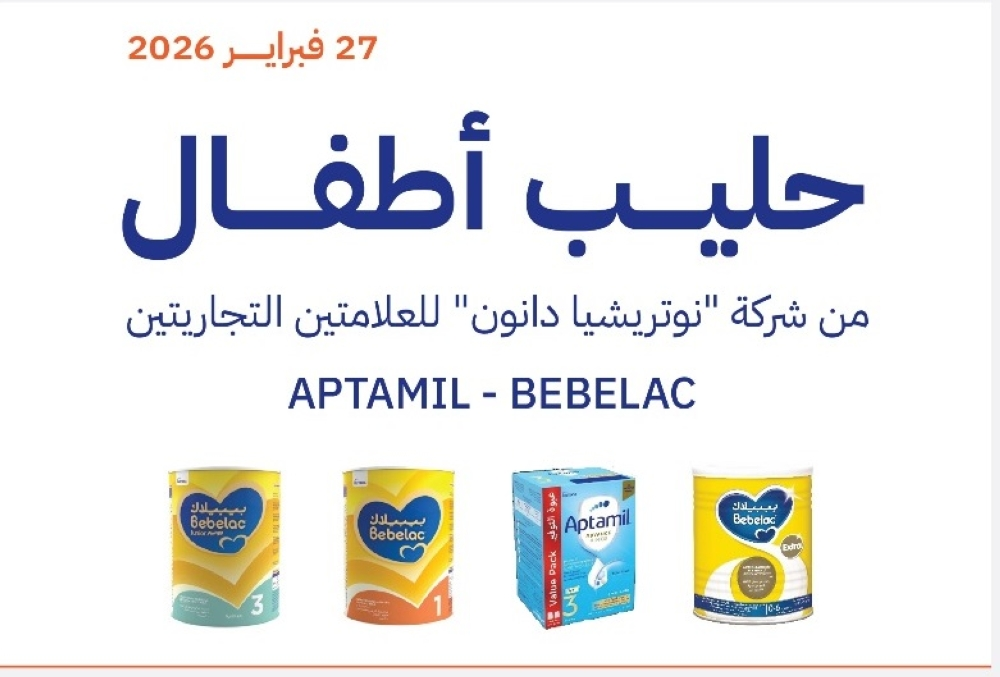
The Saudi Food and Drug Authority (SFDA) has issued a consumer warning regarding certain infant formula products manufactured by Nutricia Danone, including the popular brands Aptamil and Bebelac. This precautionary measure is part of a voluntary product recall following a report from the manufacturer indicating the potential contamination of some batches with the toxic substance Ceriolide.
General context: Infant food safety is a top priority
The safety of infant food, especially baby formula, is a top priority for health regulatory bodies worldwide, given the sensitivity of this age group and its rapid susceptibility to any contaminants. Product recalls, particularly precautionary ones, are a fundamental part of modern food safety systems, reflecting a high level of responsibility on the part of manufacturers and the vigilance of regulatory authorities. Nutricia Danone is one of the world's largest food companies, making any action taken regarding its products significant and far-reaching.
What is the “Bacillus cereus” bacteria and what are its dangers?
The substance of concern is cereulide, a toxin produced by a bacterium known as Bacillus cereus. This bacterium is common in the environment and can contaminate food. Under the right conditions, the bacteria produce this toxin, which can cause food poisoning. Potential symptoms of consuming a contaminated product include:
- Frequent nausea and vomiting.
- Abdominal pain and cramps.
These symptoms usually appear rapidly, within half an hour to six hours of consuming contaminated food, and are often short-lived, resolving within 24 hours. However, the risk remains, especially for infants and young children.
The importance of the procedure and its expected impact
The Saudi Food and Drug Authority's swift action underscores its commitment to protecting consumer health in the Kingdom. Domestically, this measure aims to prevent any potentially harmful products from reaching children and reinforces public confidence in the regulatory system. Regionally and internationally, such warnings from a reputable regulatory body prompt authorities in neighboring countries to inspect their markets and put pressure on the manufacturer to review safety and quality standards across all its facilities to ensure the problem is not repeated.
Strict penalties for violators
The authority emphasized that violating the food safety law and its implementing regulations exposes offending establishments to severe penalties. According to the law, penalties can include imprisonment for up to 10 years, a fine of up to 10 million Saudi riyals, or both, reflecting the seriousness with which Saudi authorities address food safety issues.
Consumer recommendations
The Food and Drug Authority advised consumers who possess products from the aforementioned brands to check the batch information and production date and compare them with the information published by the Authority. If the information matches, they should immediately stop using the product and dispose of it safely to protect their children's health.