Proactive regulatory efforts to ensure food and drug safety
As part of its ongoing efforts to ensure consumer safety and health, the Saudi Food and Drug Authority (SFDA) has intensified its monitoring and inspection tours across the Kingdom. These campaigns are part of a comprehensive plan coinciding with the approach of the holy month of Ramadan, which typically sees an increase in food consumption. These measures aim to strengthen compliance by establishments under the SFDA's supervision with regulations and to verify that products sold in the market meet approved safety and quality standards.
General context and the regulatory role of the authority
The Saudi Food and Drug Authority (SFDA) was established as an independent regulatory body aimed at protecting public health in the Kingdom by ensuring the safety and efficacy of food, drugs, and medical devices. These seasonal campaigns, particularly those conducted before Ramadan and the Hajj season, are a fundamental part of its operational strategy. These efforts are based on the Kingdom's Vision 2030, which prioritizes the quality of life and health of citizens and residents. The SFDA is working to build a sophisticated regulatory system that aligns with global best practices to enhance consumer confidence in the local market.
Results of the inspection campaigns for the month of Sha'ban
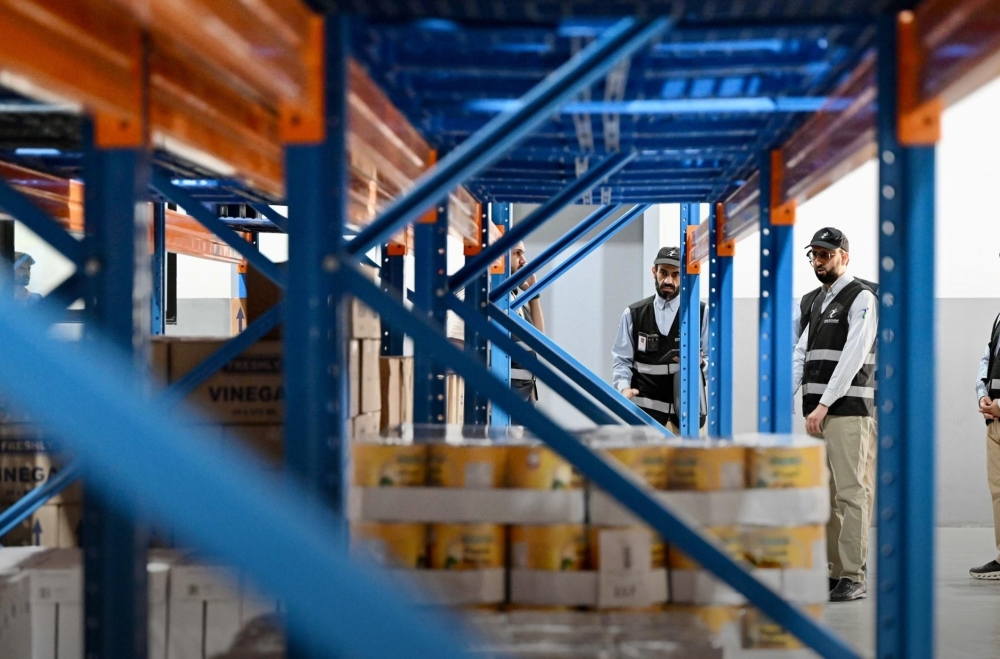
The authority clarified that its monitoring plan included food factories and warehouses, as well as pharmaceutical and medical device warehouses. During the month of Sha'ban, the authority's teams conducted 15 extensive inspection tours covering 310 factories and 1,017 warehouses. These tours resulted in the closure of six non-compliant facilities and the detection of several violations for which the necessary legal procedures are being completed, in preparation for imposing penalties on the violators in accordance with the approved regulations.
As part of its annual plan, the Authority conducted a specialized inspection campaign to verify the safety of the most consumed products during Ramadan. The campaign covered 793 establishments across the Kingdom, where 4,346 products were inspected. This resulted in the seizure of more than 21 tons of non-compliant products before they reached consumers, representing a proactive measure to prevent the circulation of goods that could harm public health.
Local and international importance and impact
Domestically, these efforts contribute to protecting consumers from foodborne illnesses and counterfeit products, and raise awareness among businesses about the importance of adhering to health regulations. Internationally, these measures enhance the Kingdom's reputation as a safe destination for millions of pilgrims and visitors, particularly in Mecca and Medina, which receive special attention in monitoring plans due to the high volume of pilgrims during the holy month.
Deterrent penalties and a call for community participation
The Authority affirmed its ongoing monitoring efforts, noting that violations of the Food Law and its implementing regulations can result in penalties ranging from business closure or imprisonment to fines of up to 10 million Saudi Riyals. In closing, the Authority urged the public to report any observed violations by calling the unified number (19999), thus reinforcing the principle of community partnership in protecting public health and safety.