Intensive inspection campaign to ensure food safety in Mecca
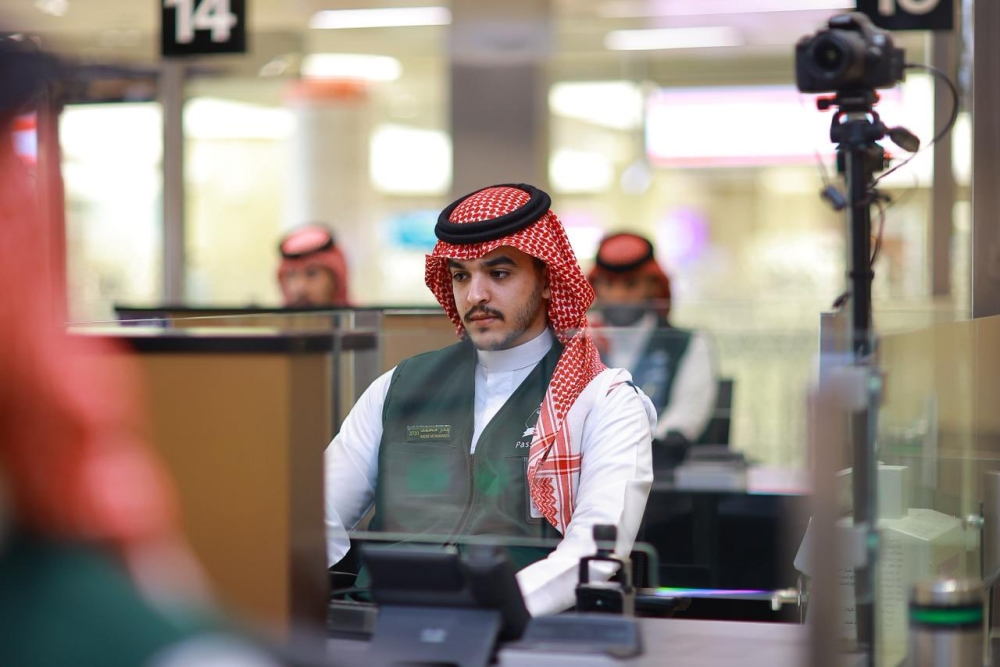
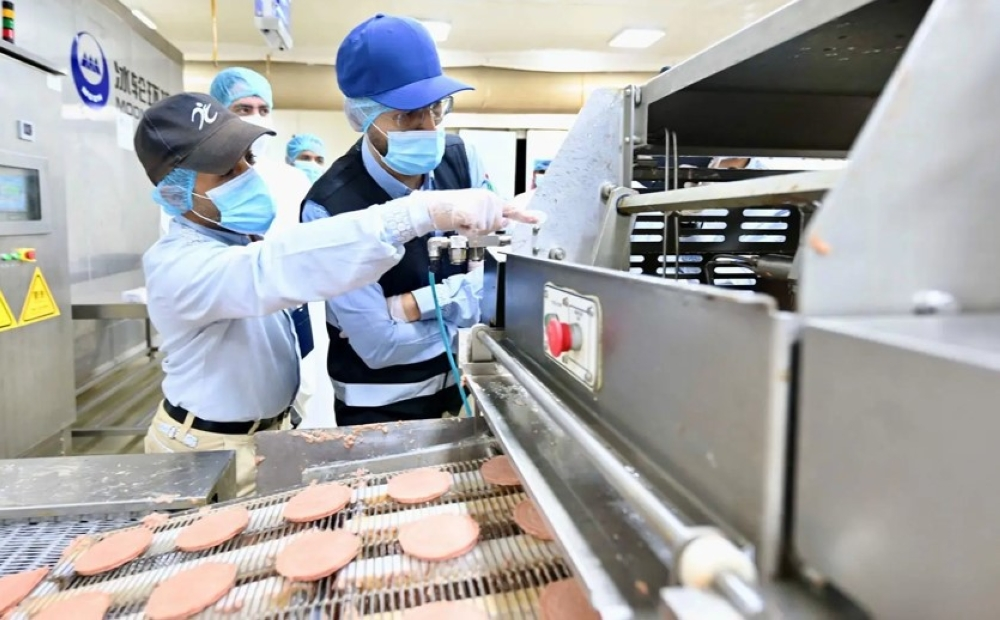
As part of its extensive preparations to ensure the highest food safety standards during religious seasons, the Saudi Food and Drug Authority (SFDA) conducted a large-scale inspection campaign in Mecca. His Excellency the CEO of the SFDA, Professor Dr. Hisham bin Saad Al-Jadhey, inspected the readiness of the Authority's regulatory system, accompanying field teams on tours of several food factories and warehouses under its supervision.
These inspections resulted in the closure of several food establishments found to be in violation of health and regulatory requirements. The authority confirmed that these measures are a prelude to imposing penalties on violators in accordance with the Food Law and its implementing regulations, which primarily aim to protect the health of consumers, including citizens, residents, and visitors to the holy city.
Context and Importance: Food Safety at the Heart of the Islamic World
These monitoring campaigns are particularly important in Mecca, which receives millions of visitors and pilgrims annually, with numbers increasing significantly during Ramadan and the Hajj season. Ensuring food safety in this city presents a major logistical and health challenge, one that the Saudi Arabian government prioritizes as part of its efforts to serve the pilgrims. The Saudi Food and Drug Authority (SFDA), established in 2003, is the primary executive arm of the government in overseeing the safety of food, drugs, and medical devices, and plays a pivotal role in building an integrated regulatory system aligned with the Kingdom's Vision 2030 to enhance public health and quality of life.
Deterrent sanctions and wide-ranging impact
The authority emphasized that it will not hesitate to apply the maximum penalties against violators. The regulations stipulate strict penalties, including fines of up to 10 million Saudi riyals, in addition to suspending operations or even imprisonment in serious cases. These deterrent penalties aim to protect public health and prevent any attempt to compromise the safety of food products.
Domestically, these measures enhance consumer confidence in the local market and ensure access to safe and wholesome food. Internationally, these efforts reflect positively on the Kingdom and its commitment to providing a healthy and safe environment for millions of pilgrims from around the world, reinforcing its position as a global religious destination that prioritizes the safety of its visitors.
Continued monitoring efforts
During his tour, Dr. Al-Jadaei emphasized that food safety, from the production lines in factories through storage conditions in warehouses to its arrival in markets, is a top priority. He explained that the Authority is intensifying its monitoring efforts across all regions of the Kingdom in cooperation with relevant government agencies, focusing on products most consumed during Ramadan, and verifying the accuracy of nutritional information on labels to ensure that markets are free of any products that could pose a risk to consumer health.