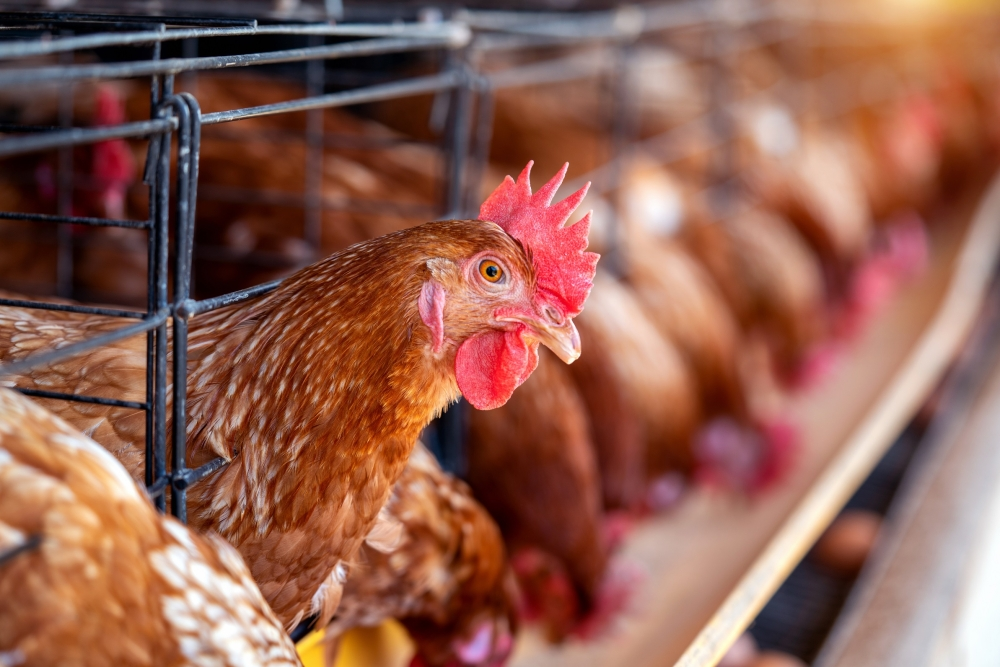
The Saudi Food and Drug Authority (SFDA) has announced urgent precautionary measures, including an immediate and temporary ban on the import of poultry meat, table eggs, and their products from specific regions in France and Poland. This decisive decision comes in response to recent international reports confirming outbreaks of highly pathogenic avian influenza in those areas, necessitating swift action to protect the local market.
Details of restricted areas and international reports
The Authority's decision was based on immediate notification reports issued by the World Organisation for Animal Health (WOAH) in late December 2025, which documented confirmed cases of the virus. Consequently, the ban included the French province of Calvados and the Polish province of Łódź. The Eastern Province Chamber of Commerce circulated the details of this decision to all its members and importers, based on official communications received from the Ministry of Commerce and the Federation of Saudi Chambers, to ensure immediate implementation and prevent the import of any shipments that could pose an epidemic risk.
Biosecurity context and global standards
Avian influenza (HPAI) is a transboundary viral disease that poses a significant threat to livestock and the agricultural economies of importing countries. The Kingdom of Saudi Arabia, represented by the Saudi Food and Drug Authority (SFDA), is committed to implementing the highest biosecurity standards through continuous monitoring of the global epidemiological situation. These measures are part of a comprehensive national strategy aimed at preventing the spread of epidemics to local poultry farms, thereby ensuring the sustainability of domestic production and protecting the public health of citizens and residents from any biological contaminants.
Exceptions and supply chain guarantees
In its commitment to balancing public health protection with ensuring the availability of food products in the markets, the regulatory authorities have exempted shipments that have undergone sufficient heat treatment to eliminate the avian influenza virus from this ban. The release of these exempted products is contingent upon the submission of official health certificates issued by accredited bodies in France and Poland, confirming that the products are free of the virus or have undergone the necessary heat treatment, in addition to their full compliance with Saudi standards.
Continuous monitoring and commitment
This move, which follows the World Organisation for Animal Health (OIE) reports issued on December 18 and 19, 2025, reflects the vigilance of Saudi regulatory authorities and their swift response to global developments. The Authority emphasizes the necessity for importers to adhere to these new regulations to avoid any financial losses that may result from the rejection of non-compliant shipments at border crossings. It also affirms its continued coordination with relevant authorities to review the status of the ban and lift it once the reasons for it no longer exist, in accordance with international standards.