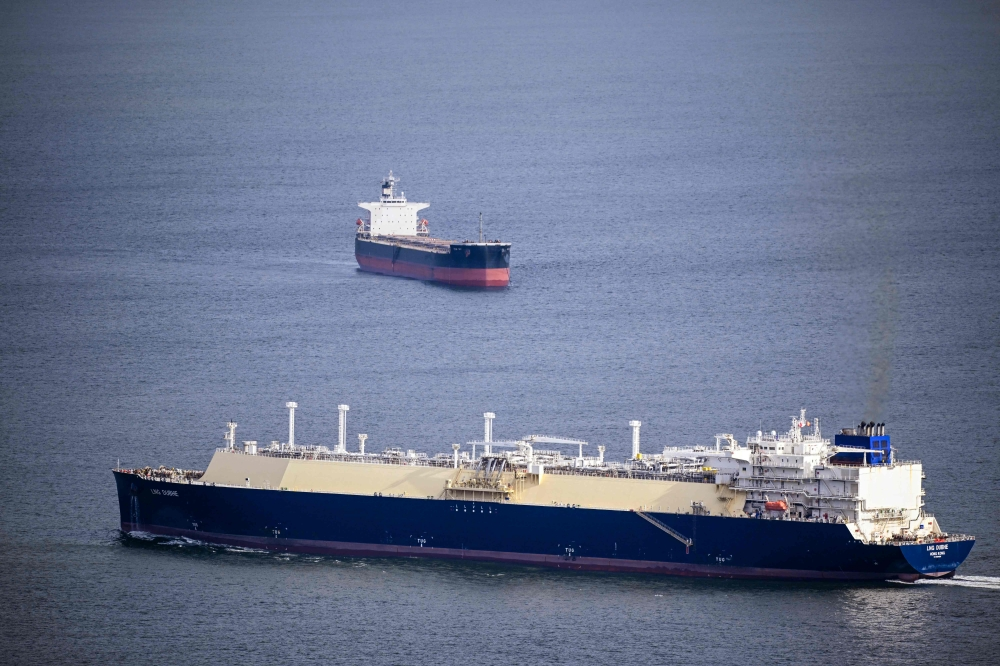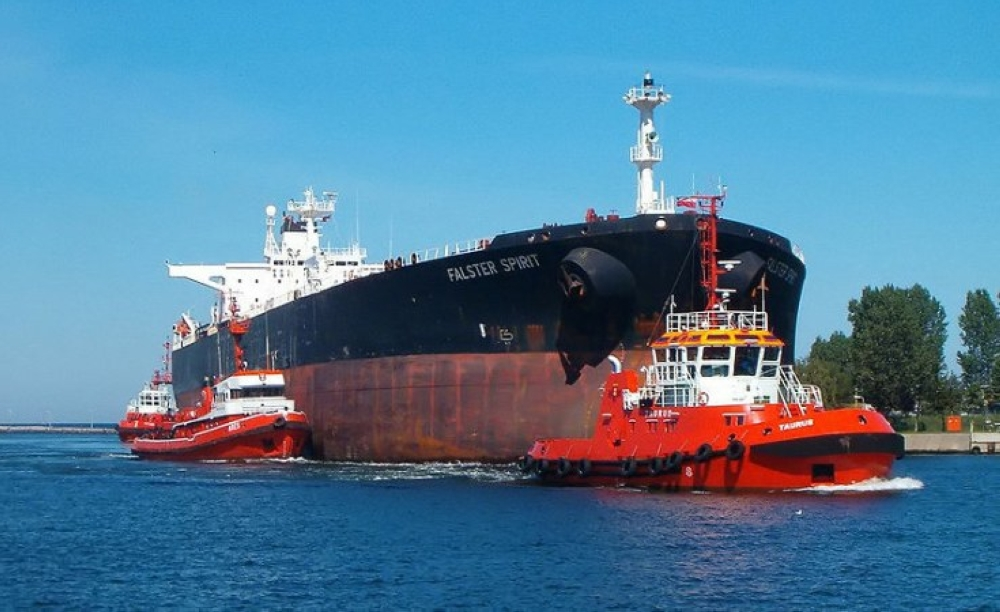
The port authority in the Senegalese capital, Dakar, announced that authorities are making intensive and continuous efforts to prevent a potential environmental disaster after water leaked into the engine room of a Panamanian-flagged oil tanker near the coast. Specialized teams face a significant challenge in securing the vessel and preventing any oil spill that could threaten the fragile marine ecosystem in the area.
According to the official statement issued by the port authority, the crisis began during the night of November 27-28 when the tanker issued an urgent distress signal. Tugs and specialized teams from the Senegalese Navy and the Maritime Authority immediately moved to the scene, successfully evacuating all crew members safely without any injuries. Current efforts are focused on two main objectives: stabilizing the vessel to prevent it from sinking, and, most importantly, preventing any hydrocarbon spill into the Atlantic Ocean.
General context and importance of the site
The coast of Senegal, particularly around the capital Dakar, is one of the most vital maritime routes in West Africa. It serves as a strategic transit point for numerous merchant ships and giant oil tankers sailing between Europe, the Americas, and southern Africa. This intense maritime activity, despite its economic importance, places the region under constant threat of maritime accidents and oil spills. Any incident in this area not only threatens Senegal but could also have repercussions due to ocean currents, potentially escalating into a regional crisis.
Potential impacts and environmental and economic dimensions
An oil spill off the coast of Dakar would have devastating, multifaceted consequences. Environmentally, this coastline is renowned for its rich biodiversity, including mangrove forests, coral reefs, and breeding grounds for fish and seabirds. A thin layer of oil could devastate these delicate ecosystems, causing mass die-offs of marine life. Economically, thousands of Senegalese depend directly on fishing as their primary source of income, and any pollution would cripple fisheries for years to come. The tourism sector, a pillar of the national economy, would also be negatively impacted as the beaches would lose their appeal. Therefore, the precautionary measures taken by the authorities, such as deploying a floating barrier to contain the pollution, are vital steps to mitigate the risks and protect the country's environmental and economic future.