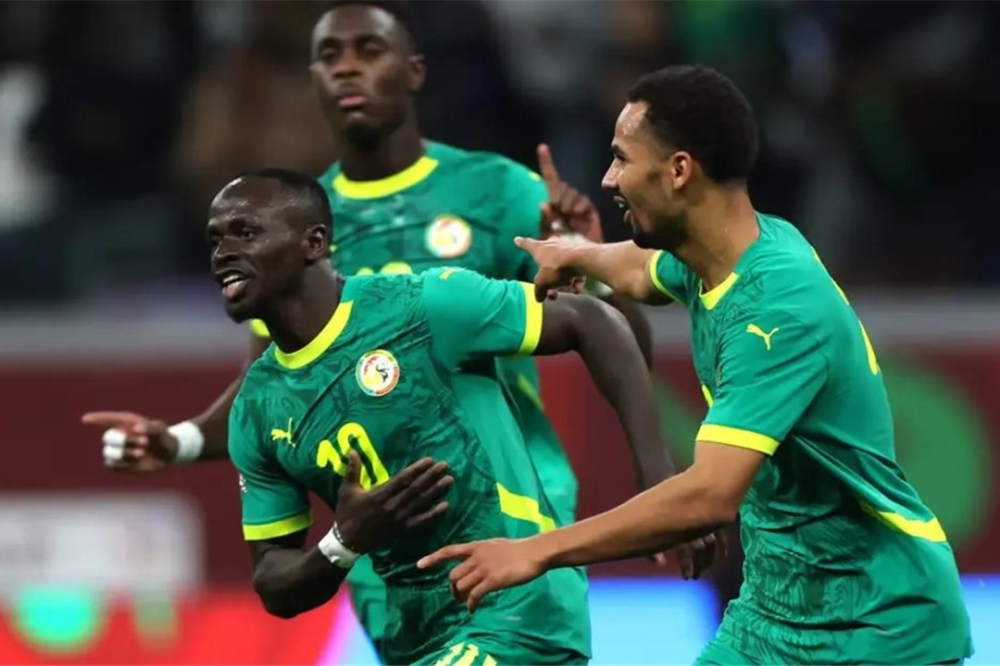
The past few hours have witnessed a sudden escalation in the atmosphere surrounding the highly anticipated final match of the 2025 Africa Cup of Nations, as the Senegalese Football Federation issued a strongly worded statement expressing its deep dissatisfaction with what it described as the “organizational failures” that the “Lions of Teranga” delegation has faced since its arrival in the Kingdom of Morocco.
Details of the Senegalese crisis and protests
The Senegalese Football Federation explained in its official statement that the delegation faced numerous difficulties upon arrival at Rabat train station, citing the lack of necessary security measures to protect the players and coaching staff. The statement emphasized that this deficiency led to chaos and severe overcrowding, jeopardizing the team's safety in a manner unbecoming of a continental event as significant as the Africa Cup of Nations final. The grievances also extended to the accommodation, forcing the Senegalese side to file an urgent official complaint, which was subsequently successful in securing the team's transfer to a five-star hotel to ensure the players' comfort.
In a related development, the Senegalese Football Federation surprised many by categorically refusing to hold training sessions at the Mohammed VI Football Complex, the permanent training ground for the Moroccan national team. The Federation justified its stance by citing the need to maintain a level playing field, demanding a neutral venue for training and stating that it had not received any official response regarding an alternative venue as of the time of its statement. The statement also strongly criticized the ticketing system, describing the situation as "worrying" after the delegation received only two VIP tickets, with a complete absence of the premium tickets that had been available in previous rounds.
General context and organizational challenges
These events come at a time when the world's attention is focused on Morocco, which is hosting this edition of the tournament as a real rehearsal and preparation for larger international events, most notably the joint organization of the 2030 World Cup. Morocco's sports infrastructure, including the Mohammed VI Stadium and the high-speed rail network, is among the best on the continent, but the large crowds expected for the final match could create unexpected logistical challenges.
The importance of the event and its expected impact
This final holds strategic importance that extends beyond the pitch; it brings together some of the continent's greatest footballing powers. Observers believe such inflammatory statements fall under the category of typical "psychological warfare" tactics employed before major finals, aimed at putting pressure on the opposing team, the organizing committee, and the Confederation of African Football (CAF). CAF is expected to intervene swiftly to contain the situation and ensure the final is played in a sporting atmosphere befitting the reputation of African football and its remarkable progress in recent years.