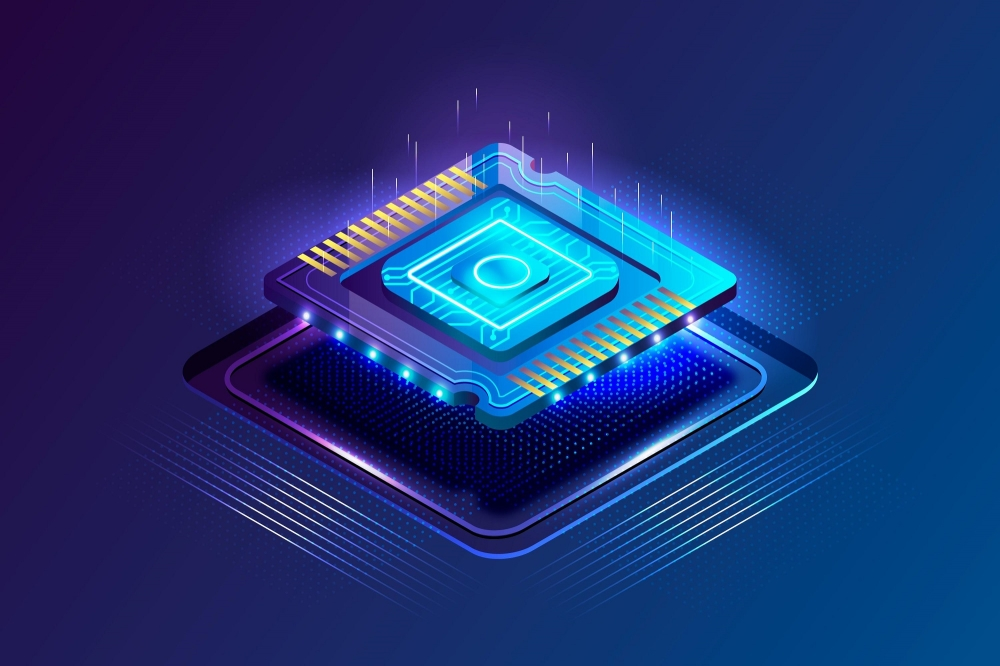
تُعد أشباه الموصلات (Semiconductors) بمثابة القلب النابض للعصر الرقمي الحديث، والعمود الفقري الذي تستند إليه كافة الصناعات التكنولوجية المتقدمة. هي عبارة عن مواد صلبة، أبرزها السيليكون، تمتاز بخصائص كهربائية فريدة تقع في المنتصف بين المواد الموصلة (مثل النحاس) والمواد العازلة (مثل الزجاج)، مما يمنحها قدرة استثنائية على التحكم في تدفق التيار الكهربائي.
السياق التاريخي والأهمية الاستراتيجية
لم تكن الثورة التكنولوجية التي نعيشها اليوم ممكنة لولا التطور الهائل في صناعة أشباه الموصلات. تاريخياً، شكل اختراع الترانزستور في منتصف القرن العشرين نقطة تحول كبرى، حيث مهد الطريق لاستبدال الصمامات المفرغة الضخمة برقائق سيليكون دقيقة. واليوم، تحولت هذه الصناعة من مجرد مكونات إلكترونية إلى سلعة استراتيجية توازي النفط في أهميتها، حيث أصبحت الرقائق الإلكترونية عنصراً حاسماً في الأمن القومي للدول، وتدخل في تشغيل الأنظمة الحساسة مثل أنظمة الدفاع، الرادارات، والأسلحة الذكية.
كيف تعمل وما هي أنواعها؟
تكمن عبقرية أشباه الموصلات في قدرتها على “مقاومة الكهرباء” بشكل متغير، وتمرير التيار في اتجاه واحد، بالإضافة إلى التفاعل مع الضوء والحرارة. وتتنوع استخداماتها بناءً على وظيفتها إلى عدة فئات رئيسية:
- شرائح الذاكرة (Memory): وتعمل كمخازن مؤقتة للبيانات لتمرير المعلومات من وإلى المعالجات.
- المعالجات الدقيقة (Microprocessors): وهي العقل المدبر أو وحدة المعالجة المركزية التي تنفذ الأوامر والعمليات المنطقية.
- الرقائق القياسية (Commodity ICs): تُنتج بكميات ضخمة للمهام الروتينية وتتميز بهوامش ربح منخفضة.
- النظام على شريحة (SoC): وهي تقنية متطورة تدمج نظاماً إلكترونياً كاملاً في شريحة واحدة، وتكثر في الهواتف الذكية والأجهزة المحمولة.
نمو السوق العالمي وتأثيره الاقتصادي
يشهد سوق أشباه الموصلات نمواً متسارعاً يعكس الاعتماد العالمي المتزايد على الرقمنة. فوفقاً للبيانات الحديثة، قُدر حجم السوق العالمي بنحو 702.44 مليار دولار أمريكي في عام 2025. وتشير التوقعات الاقتصادية إلى أن هذا الرقم سيقفز ليصل إلى 950.97 مليار دولار أمريكي بحلول عام 2030، محققاً معدل نمو سنوي مركب قدره 6.25%. كما يُتوقع أن ترتفع شحنات الوحدات من 1.04 تريليون وحدة إلى 1.43 تريليون وحدة خلال نفس الفترة.
دورها في الذكاء الاصطناعي والمستقبل
لا يقتصر دور هذه الرقائق على الأجهزة التقليدية كالحواسيب والهواتف؛ بل هي المحرك الأساسي لتقنيات الذكاء الاصطناعي (AI). تتطلب خوارزميات التعلم العميق قدرات معالجة هائلة توفرها أشباه الموصلات المتقدمة. وتمتد تطبيقاتها لتشمل قطاعات حيوية مثل الرعاية الصحية، الخدمات المصرفية، الأمن السيبراني، النقل، والتصنيع الذكي، مما يجعل تطويرها أولوية قصوى للشركات والدول الساعية للريادة التكنولوجية.