معجزة هندسية في قلب مكة المكرمة
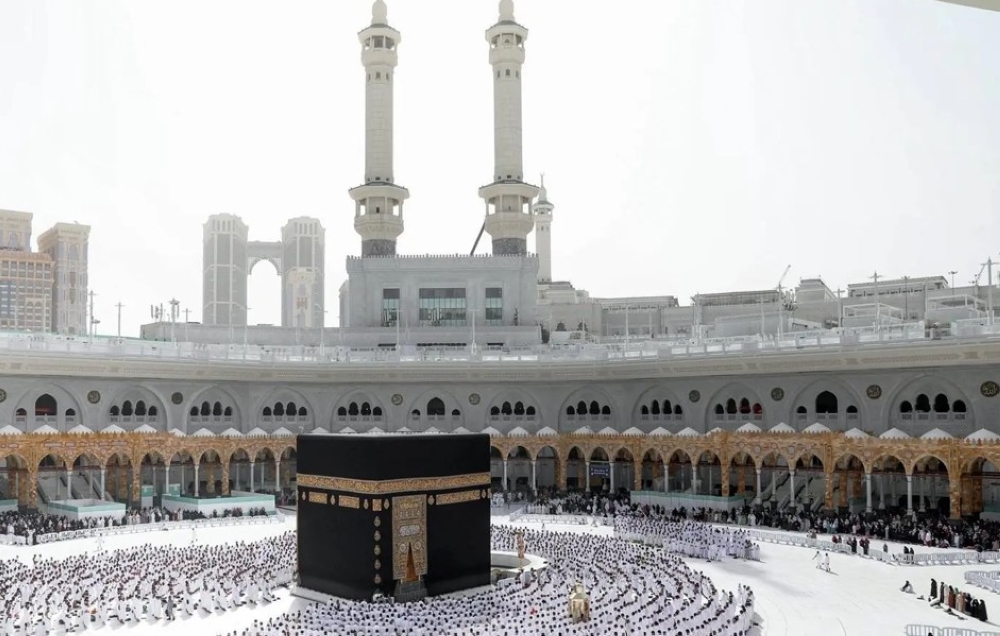
يتساءل ملايين الحجاج والمعتمرين الذين يطوفون حول الكعبة المشرفة عن السر الذي يجعل أرضية صحن المطاف في المسجد الحرام باردة تحت أقدامهم، حتى في أشد أيام الصيف حرارة عندما تتجاوز درجات الحرارة 45 درجة مئوية. هذه الظاهرة ليست صدفة أو معجزة بالمعنى الخارق، بل هي نتاج تخطيط هندسي دقيق واختيار لمواد فريدة من نوعها، تجسد العناية الفائقة التي توليها المملكة العربية السعودية لراحة ضيوف الرحمن.
رخام “ثاسوس” اليوناني: مفتاح البرودة
يكمن السر الأساسي في نوع الرخام المستخدم لتغطية أرضيات الحرم المكي الشريف، وهو رخام “ثاسوس” (Thassos) النادر الذي يتم استيراده خصيصًا من جزيرة ثاسوس في اليونان. يتميز هذا الرخام بخصائص فيزيائية فريدة تجعله الخيار الأمثل لهذه المهمة. فهو يتمتع بلون أبيض ناصع يعكس ما يقارب 90% من أشعة الشمس الساقطة عليه، على عكس المواد الأخرى داكنة اللون التي تمتص الحرارة. بالإضافة إلى ذلك، يتمتع رخام ثاسوس بمسامية دقيقة تسمح له بامتصاص الرطوبة خلال الليل، ثم إطلاقها ببطء خلال النهار، مما يساهم في عملية تبريد طبيعية للسطح.
خلفية تاريخية: اهتمام متواصل براحة الحجاج
لم تكن هذه الميزة وليدة اللحظة، بل هي جزء من سلسلة طويلة من مشاريع التوسعة والتطوير التي شهدها الحرم المكي على مر العصور، وخصوصًا في العهد السعودي. بدأت فكرة استخدام هذا الرخام العاكس للحرارة في عهد الملك خالد بن عبد العزيز آل سعود، واستمر استخدامه وتطبيقه في جميع مشاريع التوسعة اللاحقة، بما في ذلك التوسعة السعودية الثالثة الكبرى في عهد الملك عبد الله بن عبد العزيز والملك سلمان بن عبد العزيز. يعكس هذا القرار رؤية استراتيجية تهدف إلى تسخير أفضل التقنيات والمواد العالمية لخدمة الحرمين الشريفين وتوفير أقصى درجات الراحة للمصلين والطائفين.
أهمية المشروع وتأثيره العالمي
تكمن أهمية هذا المشروع في تأثيره المباشر على تجربة ملايين المسلمين من جميع أنحاء العالم. فالطواف حول الكعبة هو ركن أساسي في مناسك الحج والعمرة، ويؤديه المسلمون حفاة الأقدام. إن توفير سطح بارد للمشي يقلل بشكل كبير من مخاطر الإصابة بالإجهاد الحراري، والحروق، ويوفر بيئة آمنة ومريحة، خاصة لكبار السن والأطفال. على الصعيد الدولي، يُظهر هذا المشروع للعالم الإسلامي والمجتمع الدولي حجم الجهود والموارد التي تكرسها المملكة لخدمة ضيوف الرحمن، مما يعزز مكانتها كراعية للحرمين الشريفين. إنه مثال حي على كيفية دمج الهندسة المتقدمة مع المتطلبات الدينية والروحانية لخلق بيئة تعبدية مثالية.
تصميم متكامل لتبديد الحرارة
لا يقتصر الأمر على نوع الرخام فقط، بل يمتد إلى طريقة التركيب والهندسة المتبعة. يتم تقطيع ألواح الرخام بسماكة تصل إلى 5 سنتيمترات، وهي سماكة أكبر من المعتاد، مما يزيد من قدرتها على عزل الحرارة القادمة من الأسفل. كما يتم تركيب هذه الألواح فوق طبقة من الرمل والخرسانة العازلة دون استخدام مادة لاصقة (مثل الإسمنت)، مما يسمح بوجود فراغات هوائية دقيقة تساهم في تبديد أي حرارة قد تتسرب. هذا النظام المتكامل يضمن بقاء السطح باردًا ومريحًا على مدار الساعة، ليؤدي الطائفون مناسكهم بيسر وسكينة.