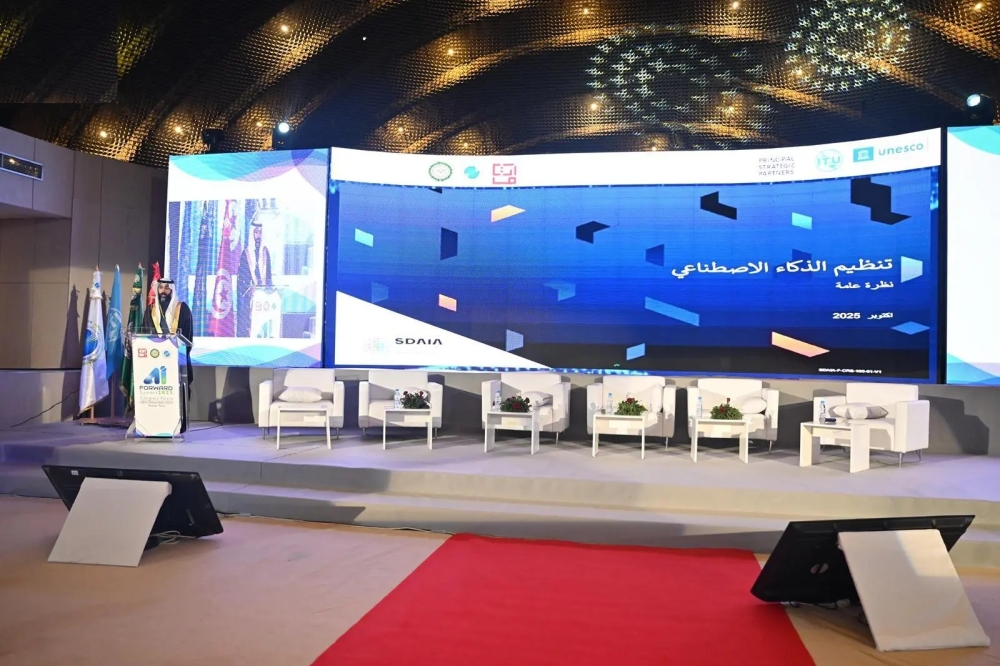
في خطوة تعكس ريادتها المتنامية في مجال التقنيات المتقدمة، شاركت المملكة العربية السعودية، ممثلة بالهيئة السعودية للبيانات والذكاء الاصطناعي “سدايا”، بفاعلية في قمة “الذكاء الاصطناعي حول المستقبل” التي استضافتها العاصمة التونسية. وجاءت هذه المشاركة في إطار انعقاد الاجتماع الثاني عشر للفريق العربي المعني بالذكاء الاصطناعي، الذي نظمته جامعة الدول العربية، مما يمنح الحدث بعدًا إقليميًا استراتيجيًا.
السياق الوطني: الذكاء الاصطناعي في قلب رؤية 2030
تأتي هذه المشاركة الدولية كجزء لا يتجزأ من استراتيجية المملكة الطموحة ضمن رؤية 2030، التي تهدف إلى تنويع الاقتصاد وبناء مجتمع قائم على المعرفة. فمنذ تأسيس “سدايا” في عام 2019 بأمر ملكي، أصبحت الهيئة الذراع التنفيذي والمحرك الرئيسي لطموحات المملكة في مجالات البيانات والذكاء الاصطناعي. وتعمل المملكة على ترسيخ مكانتها كمركز عالمي للتقنية، ليس فقط من خلال تبني أحدث الأدوات، بل أيضًا عبر قيادة الحوار العالمي حول حوكمة هذه التقنيات وضمان استخدامها بشكل مسؤول وأخلاقي.
مبادرة الوسوم التحفيزية: نموذج سعودي للحوكمة
وقد مثّل الهيئة في القمة الدكتور عبد الرحمن بن طارق حبيب، الذي قدّم عرضًا مفصلًا حول تجربة المملكة في “مبادرة الوسوم التحفيزية لأخلاقيات الذكاء الاصطناعي”. تهدف هذه المبادرة المبتكرة إلى تشجيع المؤسسات والشركات التقنية على تبني ممارسات الذكاء الاصطناعي المسؤول، من خلال منحها وسومًا تقديرية تعترف بالتزامها بالمعايير الأخلاقية. وأوضح الدكتور حبيب كيف يساهم هذا النموذج في بناء الثقة بين المطورين والمستخدمين، ويعزز من الشفافية والمساءلة في تطبيقات الذكاء الاصطناعي، وهو ما يُعد تحديًا رئيسيًا يواجه القطاع على مستوى العالم.
التأثير الإقليمي والدولي: من الإرشادات إلى التطبيق
لم تقتصر المشاركة السعودية على استعراض التجربة الوطنية، بل امتدت لتشمل المساهمة في الحوارات الدولية. حيث شارك ممثل “سدايا” في جلسة متعمقة بعنوان “الذكاء الاصطناعي المسؤول والأخلاقيات – من الإرشادات إلى التطبيق”، والتي نظمتها منظمة اليونسكو. وفي هذا السياق، تم تسليط الضوء على الجهود الدولية للمركز الدولي لأبحاث وأخلاقيات الذكاء الاصطناعي (ICAIRE)، الذي يتخذ من الرياض مقرًا له، ودوره في تطوير أطر أخلاقية عالمية تدعم الاستخدام الآمن والمسؤول للتقنية. إن مشاركة المملكة في هذه المنصات تؤكد على التزامها بالمساهمة الفاعلة في صياغة مستقبل الذكاء الاصطناعي بما يخدم الإنسانية جمعاء، ويعزز من مكانتها كشريك موثوق في المجتمع التقني الدولي.
وتعكس هذه المشاركة في تونس امتدادًا لدور المملكة المحوري في المحافل الإقليمية والدولية، وسعيها المستمر لتعزيز الابتكار ومشاركة خبراتها، وإبراز التقدم الذي حققته في بناء اقتصاد رقمي ومجتمع معرفي يواكب التحولات العالمية المتسارعة في تقنيات المستقبل.