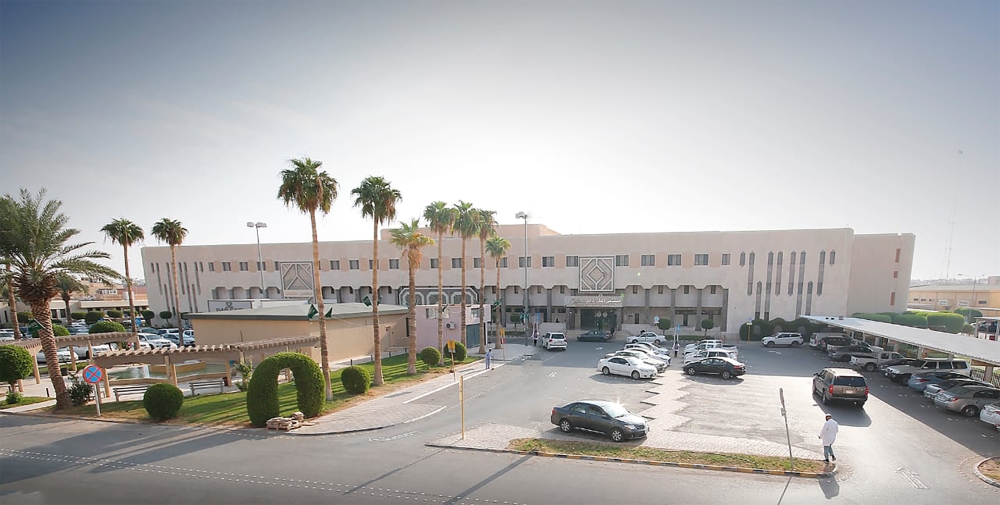
In a new medical achievement that highlights the great development witnessed by the health sector in the Kingdom of Saudi Arabia, a specialized medical team at King Abdullah Medical City in the Holy Capital, a member of the Makkah Health Cluster, succeeded in saving the life of a 57-year-old Sudanese patient, after she suffered an acute stroke, in a record time of no more than two hours since her arrival at the hospital.
The emergency began when the patient was transported by Saudi Red Crescent teams to the emergency department of the medical city, suffering from sudden and severe symptoms including complete loss of speech and paralysis on the right side of her body. Immediately, the stroke rapid response protocol (stroke pathway) was activated, and the patient underwent thorough diagnostic tests and imaging, which revealed an acute blockage in one of the major cerebral arteries. This necessitated immediate medical intervention to save her life and minimize potential brain damage.
Medical context: The importance of time in treating strokes
An ischemic stroke, caused by a blockage in one of the arteries supplying the brain, is a medical emergency where time is of the essence. Every minute that passes without blood flow being restored, millions of brain cells die, increasing the risk of permanent disability or death. Therefore, the success of treatment depends critically on the speed of diagnosis and medical intervention, as clearly demonstrated in this case.
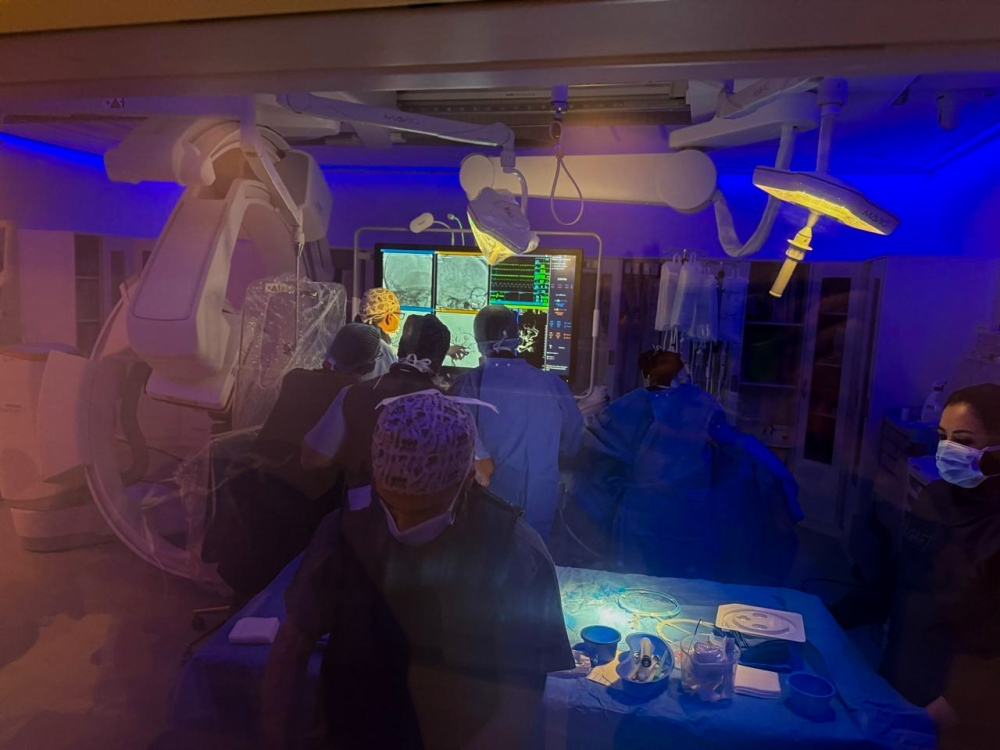
The patient was immediately transferred to the interventional neuroradiology department, where a specialized medical team performed an urgent interventional cerebral catheterization. This technique is one of the newest and most precise medical procedures for treating strokes, where a thin catheter is inserted through a major artery in the body and guided to the site of the stroke in the brain to mechanically remove it and reopen the blocked artery.
The success of the intervention and its direct impact
Thanks to God and the efficiency and speed of the medical team, the doctors were able to successfully remove the clot and restore blood flow to the brain. An immediate and direct improvement in the patient's condition was observed immediately after the procedure; she regained her ability to speak and move her right limbs significantly, greatly reducing the risk of long-term complications. This success is attributed to the high level of integration and coordination among the various medical departments, including the emergency team, neurologists, interventional radiologists, and anesthesiologists.
Reflecting the Kingdom's Vision 2030 in the health sector
This medical achievement serves as tangible proof of the Kingdom's progress in the healthcare sector, in line with the objectives of the Health Sector Transformation Program and the Kingdom's Vision 2030. This vision aims to build an integrated, high-quality healthcare system that prioritizes human health by providing the latest medical technologies, developing national talent, and implementing global best practices. Providing this advanced care to a Sudanese resident also underscores the humanitarian dimension of healthcare services in the Kingdom, which encompass all citizens, residents, and visitors alike, especially in the holy cities that receive millions of people from around the world.