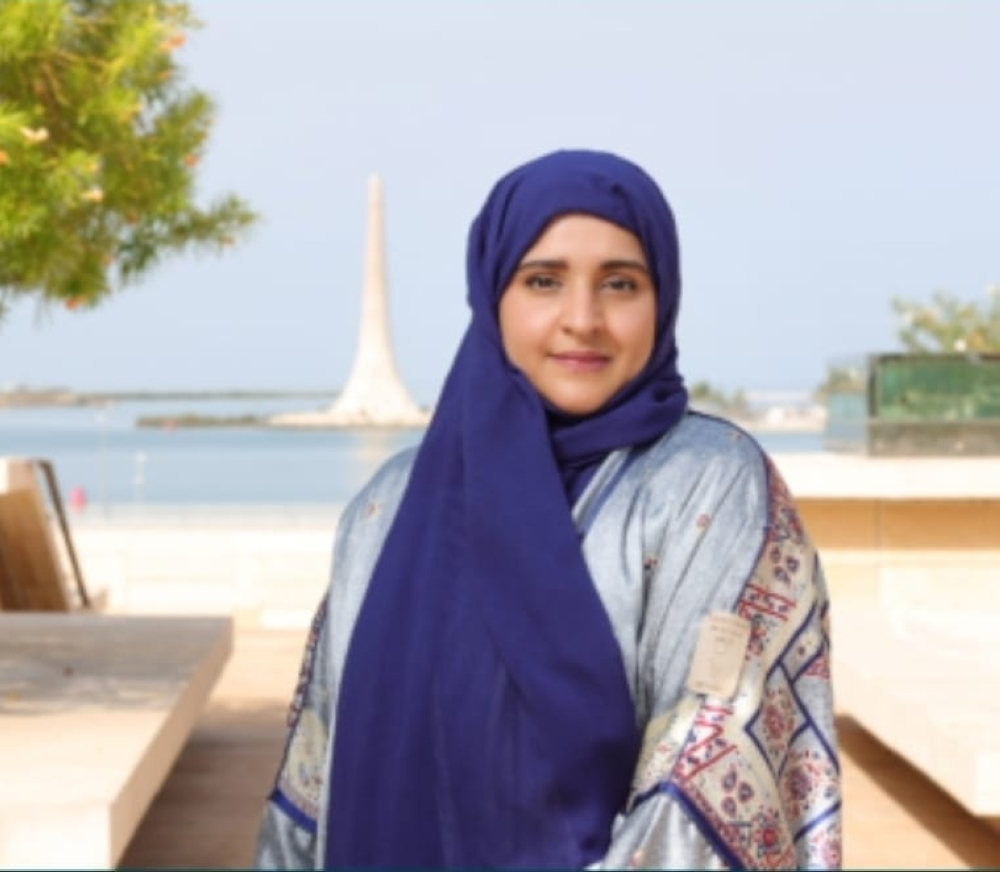
In an indicator reflecting the rapid development of women’s empowerment in Saudi Arabia and their strong entry into various economic sectors, Reem Al-Hashdi, a jeweler and certified appraiser of precious metals and gemstones, revealed that the percentage of women’s presence in the field of jewelry making and design in the Kingdom is estimated at about 40%.
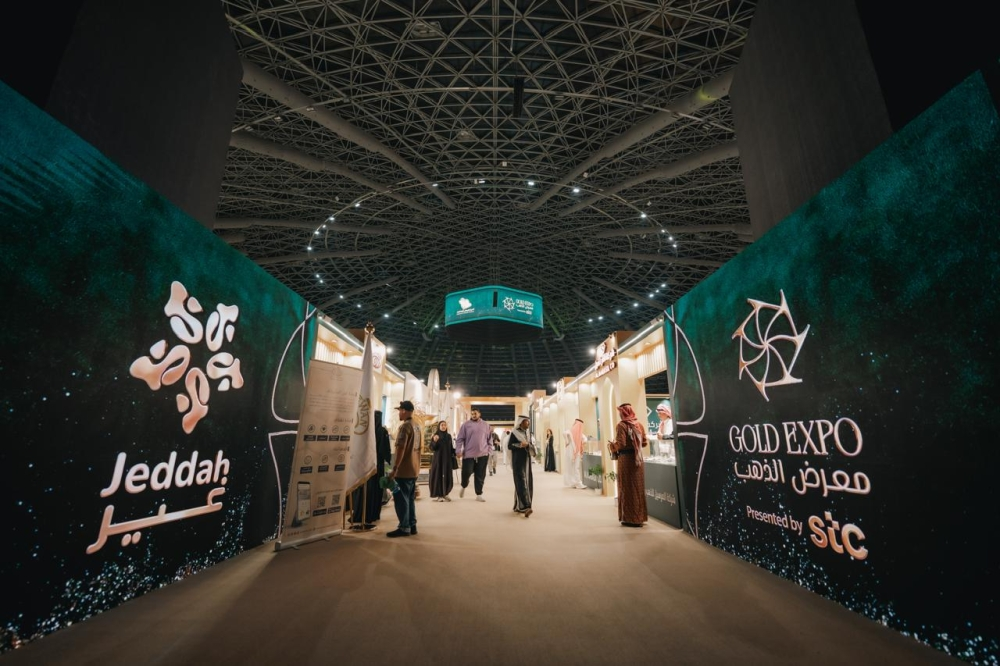
During her interview with Al-Youm newspaper while touring the gold exhibition in Jeddah, Al-Hashdi emphasized that this percentage is a very promising start, reflecting the passion and creativity of Saudi women and their ability to compete in a sector that was long monopolized by specific groups.
Context of transformation and women's empowerment in the gold sector
This remarkable growth in women's participation in the gold and jewelry sector aligns with the goals of Saudi Vision 2030, which has placed significant emphasis on increasing women's participation in the labor market. The gold and jewelry sector in Saudi Arabia is one of the largest markets in the Middle East, boasting a rich history. Saudization policies in this sector have opened up vast opportunities for Saudi nationals, paving the way for Saudi designers to showcase their cultural identity through contemporary designs that rival international products.
From the academy to the drafting workshops
Al-Hashdi highlighted her inspiring story, noting that her passion for jewelry was not a recent development, but rather an extension of her upbringing in a family practicing this craft. Despite her academic path, which led her to obtain advanced degrees, the allure of gold continued to captivate her.
She explained that her return to the industry combined inherited practical experience with modern scientific methodology, describing jewelry as “an artistic story, a cultural heritage, and an economic asset,” not merely an adornment. She recalled the first piece she crafted, a ring she still cherishes, as it served as her gateway to learning gold drawing and bending techniques.
The debate between manual drafting and modern technology
Speaking about manufacturing techniques, Al-Hashdi explained that handcrafted pieces will retain their unparalleled artistic value, but modern technologies have become essential to meet market demands for speed, precision, and large-scale production. She pointed out that technology has not diminished the craft but has rather broadened the horizons of creativity and enabled factories to produce precise designs at a reasonable cost.
The concept of "manufacturing cost" and the factors affecting prices
Al-Hashdi addressed one of the most controversial concepts among consumers: "labor cost." She explained that it is not an arbitrary figure, but rather an actual cost influenced by the design, the precision of the execution, and the country of origin. She stated that labor costs in the Kingdom typically start from 9 riyals and can reach 50 riyals per gram, increasing for custom-designed pieces due to the individual effort involved.
New assessment criteria and economic impact
As a certified appraiser, Al-Hashdi explained that the Saudi market is witnessing a radical transformation in valuation mechanisms under the umbrella of the Saudi Authority for Accredited Valuers (Taqeem). Valuation is no longer based solely on weight and purity, but now includes design, gemstone quality, and artistic identity.
This development is of major economic importance, as it enhances the credibility of the Saudi market regionally and internationally, and protects the rights of both buyers and sellers. Furthermore, the presence of accredited appraisers contributes to regulating auctions and sales transactions, thereby increasing market efficiency and attracting new investments in the precious metals sector.
Al-Hashdi concluded her remarks by emphasizing that Saudi design today stands on solid ground, combining authenticity and modernity, stressing the need to pass this craft on to new generations through practical application, not just theory, to ensure the sustainability of this national heritage.