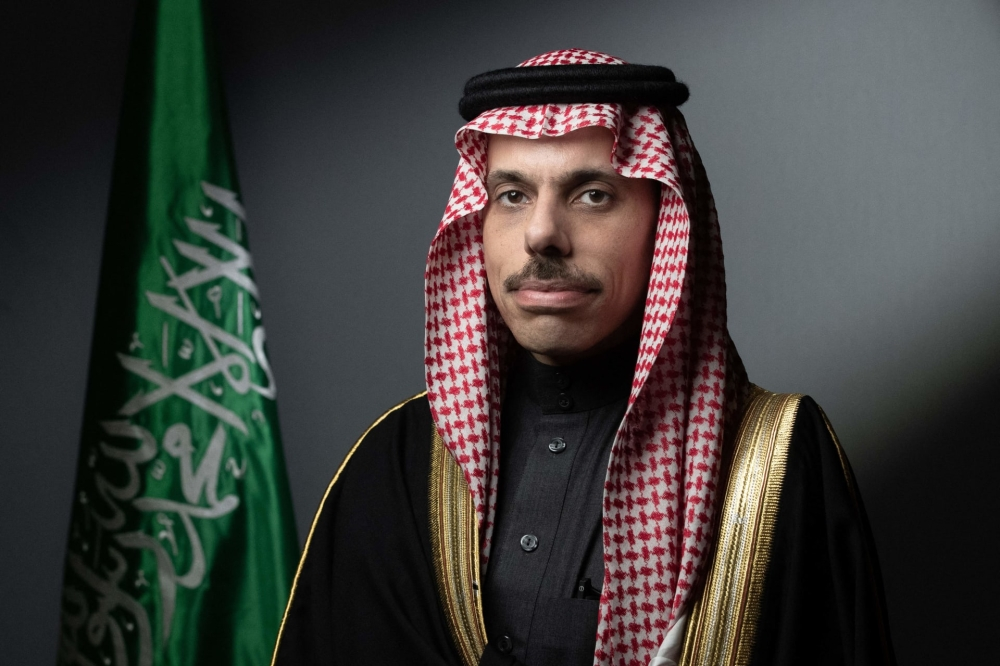
أعربت وزارة الخارجية السعودية عن ترحيب المملكة العربية السعودية بالقرار الصادر عن الولايات المتحدة الأمريكية بتصنيف فروع جماعة "الإخوان المسلمين" في كل من مصر والأردن ولبنان كجماعات إرهابية. ويأتي هذا الترحيب في إطار موقف المملكة الثابت والراسخ في إدانة كافة أشكال التطرف والإرهاب، ودعمها المستمر للجهود الدولية الرامية إلى تجفيف منابع الإرهاب وتحقيق الأمن والاستقرار في المنطقة العربية والعالم أجمع.
تفاصيل القرار الأمريكي وتجميد الموارد
في خطوة تصعيدية لافتة، أعلنت واشنطن يوم الثلاثاء إدراج فروع الجماعة في الدول الثلاث ضمن قوائم الإرهاب. وفي هذا السياق، صرح وزير الخارجية الأمريكي ماركو روبيو بأن "هذا التصنيف يعكس الإجراءات الأولى لجهود مستمرة تهدف للتصدي لأعمال العنف وعدم الاستقرار التي تقف خلفها فروع جماعة الإخوان المسلمين أينما وجدت". وأكد روبيو عزم الولايات المتحدة على استخدام كافة الأدوات الدبلوماسية والقانونية المتاحة لحرمان هذه الفروع من الموارد اللازمة لممارسة أنشطتها أو دعم الإرهاب.
من جانبه، أوضح وزير الخزانة الأمريكي سكوت بيسنت أن الجماعة تمتلك "سجلاً طويلاً في ارتكاب أفعال إرهابية"، مشدداً على أن الإدارة الأمريكية تعمل بقوة لاستبعادها من النظام المالي العالمي. ويترتب على هذا التصنيف تجميد أي أصول للجماعة داخل الولايات المتحدة، وتجريم التعامل المالي معها، بالإضافة إلى فرض قيود صارمة تعوق سفر أعضائها إلى الأراضي الأمريكية.
السياق التاريخي والموقف السعودي
لا يعد الموقف السعودي جديداً تجاه جماعة الإخوان المسلمين؛ فالمملكة كانت سباقة في تصنيف الجماعة منظمة إرهابية منذ عام 2014، وذلك انطلاقاً من رؤيتها لخطورة توظيف الدين لأغراض سياسية حزبية تزعزع استقرار الدول. ويرى مراقبون أن الترحيب السعودي بالخطوة الأمريكية يعكس تطابقاً في الرؤى بين الرياض وواشنطن حول ضرورة مواجهة حركات الإسلام السياسي التي تتبنى العنف أو التحريض منهجاً للتغيير.
ويأتي هذا القرار ليعزز الجبهة الإقليمية المناهضة للجماعة، والتي تضم بشكل رئيسي المملكة العربية السعودية ومصر والإمارات العربية المتحدة، مما يضيق الخناق سياسياً ومالياً على تنظيمات الجماعة في الشرق الأوسط.
ترحيب مصري ودلالات التوقيت
على الصعيد المصري، رحبت القاهرة بالقرار الأمريكي الذي مهد له الرئيس دونالد ترامب في نوفمبر 2025. ووصفت الخارجية المصرية القرار بأنه "خطوة فارقة تعكس إدراكاً دولياً متزايداً لخطورة هذه الجماعة وأيديولوجيتها المتطرفة". وتعتبر مصر هذا التصنيف انتصاراً لدبلوماسيتها التي طالما دعت المجتمع الدولي، وتحديداً الغرب، إلى اتخاذ مواقف حازمة تجاه الجماعة التي تم حظرها في مصر منذ عام 2013 عقب ثورة 30 يونيو.
التأثيرات المتوقعة للقرار
يحمل هذا التصنيف تداعيات واسعة النطاق، لا تقتصر فقط على الجانب الرمزي، بل تمتد لتشمل:
- الخنق المالي: سيؤدي القرار إلى تعقيد التحويلات المالية والتمويل عبر الحدود لفروع الجماعة، مما يضعف قدرتها التنظيمية.
- العزلة السياسية: سيشكل القرار ضغطاً على الحكومات أو الأحزاب في دول أخرى التي قد تتعامل مع فروع الجماعة، خوفاً من العقوبات الأمريكية الثانوية.
- الأمن الإقليمي: يعزز القرار من التنسيق الأمني والاستخباراتي بين الولايات المتحدة وحلفائها العرب في ملاحقة عناصر الجماعة وتفكيك شبكاتها.