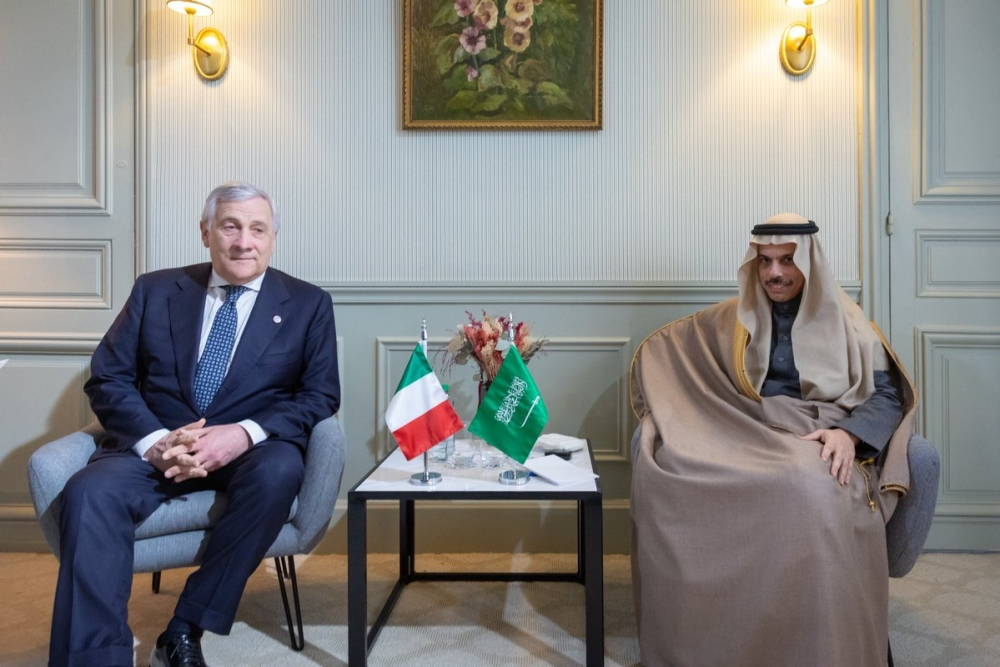
The Kingdom of Saudi Arabia expressed its strong welcome for the unanimous adoption by the UN Human Rights Council of a resolution highlighting the repercussions of Iran’s unjustified attacks targeting several countries in the region. This resolution included a clear condemnation of the attacks on the territories of the Kingdom of Saudi Arabia, the Kingdom of Bahrain, the State of Kuwait, the Sultanate of Oman, the State of Qatar, the United Arab Emirates, and the Hashemite Kingdom of Jordan, deeming them a flagrant violation of human rights and international conventions.
The historical context of regional tensions and the position of the international community
Over the past years, the Middle East region has witnessed escalating security challenges as a result of persistent interventions and repeated attacks. This move by the Human Rights Council at its 61st session culminates intensive diplomatic efforts led by the Gulf and Arab states to highlight the gravity of these practices. Historically, Saudi Arabia and the Gulf Cooperation Council (GCC) states have consistently emphasized the need to respect the principles of good neighborliness and non-interference in the internal affairs of states. However, the continued launching of drones and ballistic missiles at civilian targets and infrastructure poses a direct threat to international peace and security, necessitating decisive international intervention to put an end to these violations that terrorize civilians and hinder sustainable development efforts.
Regional and international dimensions of mitigating the repercussions of Iranian attacks
This UN resolution carries immense strategic importance, reflecting an unprecedented international consensus against these hostile practices. Locally and regionally, the resolution contributes to strengthening the sense of security among the peoples of the region and underscores the international community's solidarity with the affected countries in protecting their national assets and economies. Internationally, the condemnation of the repercussions of the Iranian attacks sends a firm message that the world will not tolerate any threat to the stability of global energy supplies or any endangerment of waterways and international navigation. This resolution is expected to serve as a significant legal and human rights precedent in future international forums for holding the perpetrators and supporters of these attacks accountable, thereby enhancing the prospects for establishing lasting peace in the Middle East.
A blatant violation of state sovereignty and international conventions
In an official statement issued by the Saudi Ministry of Foreign Affairs, the Ministry explained that the adoption of this resolution by consensus among the Security Council members reflects the international community's unequivocal and unified rejection of these attacks. The statement described these brutal acts as grave violations of fundamental human rights. The Kingdom reiterated its strong condemnation of any targeting of countries in the region, emphasizing that such actions constitute a flagrant violation of the sovereignty and territorial integrity of states, and a clear and explicit breach of the UN Charter and international law. The Saudi Ministry of Foreign Affairs affirmed that targeting countries not party to any conflict is a blatant act of aggression that cannot be justified or accepted under any circumstances.
#Statement | The Ministry of Foreign Affairs expresses the Kingdom of Saudi Arabia's welcome of the UN Human Rights Council's unanimous adoption of a resolution regarding the repercussions of Iran's unjustified attacks on the Kingdom of Saudi Arabia, the Kingdom of Bahrain, the State of Kuwait, the Sultanate of Oman, the State of Qatar, and the United Arab Emirates… pic.twitter.com/cLXYVAOux2
— Ministry of Foreign Affairs (@KSAMOFA) March 25, 2026