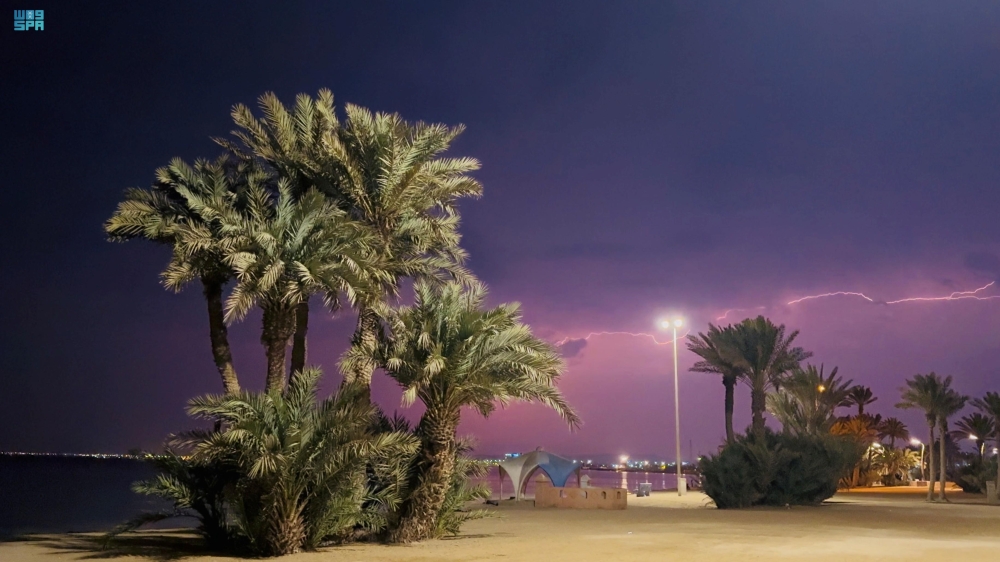
The Tabuk region experienced light rainfall on Friday evening, affecting several key areas including Al-Zulfa, Al-Lawz, and Al-Badi'ah, bringing a distinctly wintry atmosphere to the northern part of Saudi Arabia. This rainfall comes amidst a period of fluctuating weather conditions affecting several regions of the Kingdom, according to monitoring by relevant authorities.
National Center for Meteorology Report
The National Center for Meteorology issued its daily weather report, indicating continued chances of light to moderate thunderstorms. The report covered not only the Tabuk region but also parts of Al-Jawf, the Northern Borders, Hail, Madinah, and Makkah. The center also warned of potential fog formation in the highlands, which could reduce horizontal visibility, particularly during the early morning and late night hours.
Surface winds and raised dust
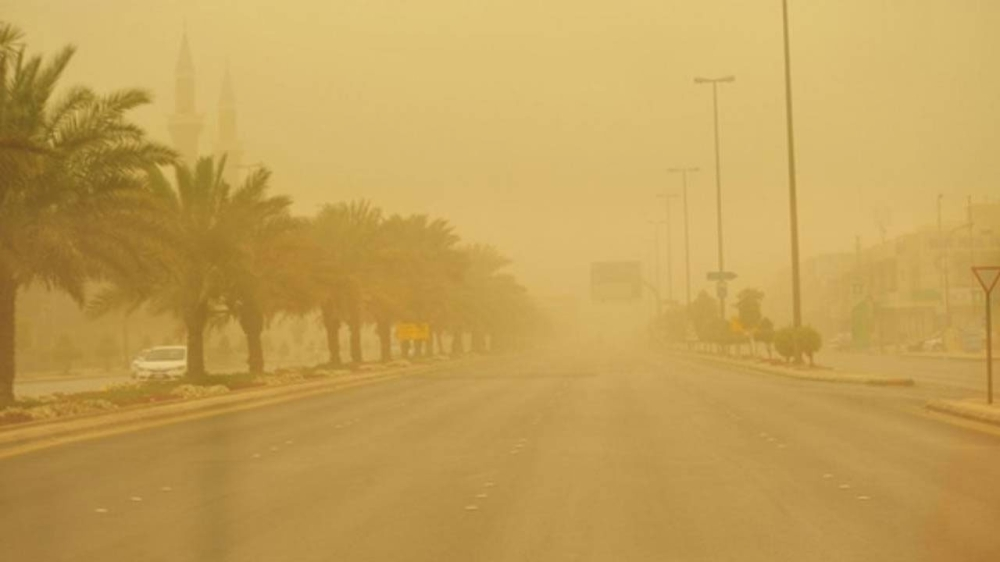
The report explained that the weather conditions are not limited to rain, but also coincide with a noticeable increase in surface wind activity. These winds may stir up dust and sand, reducing horizontal visibility on highways and open areas in the aforementioned regions, as well as parts of the highlands in the Al-Baha and Asir regions. This situation calls on drivers to exercise extreme caution while driving.
The geographical and climatic importance of the Tabuk region
The Tabuk region holds special significance on the Saudi weather map, distinguished by its diverse topography, which includes towering mountains such as Jabal Al-Lawz, a prominent winter tourist destination due to its snowfall during certain seasons. These seasonal rains contribute to replenishing the region's water reserves and supporting the vegetation cover, a vital component of the ecological balance in northern Saudi Arabia. Historically, rainfall at this time of year has been a boon for farmers and herders, aiding the growth of wild grasses and improving pastures.
Public safety guidelines
Given these volatile weather conditions, the General Directorate of Civil Defense and relevant authorities consistently emphasize the importance of staying away from valleys and flood channels, and avoiding crossing them while they are flowing. It is also advised to continuously monitor official weather bulletins issued by the National Center of Meteorology to stay informed about weather developments and to avoid areas that may experience dense fog or dust to ensure everyone's safety.