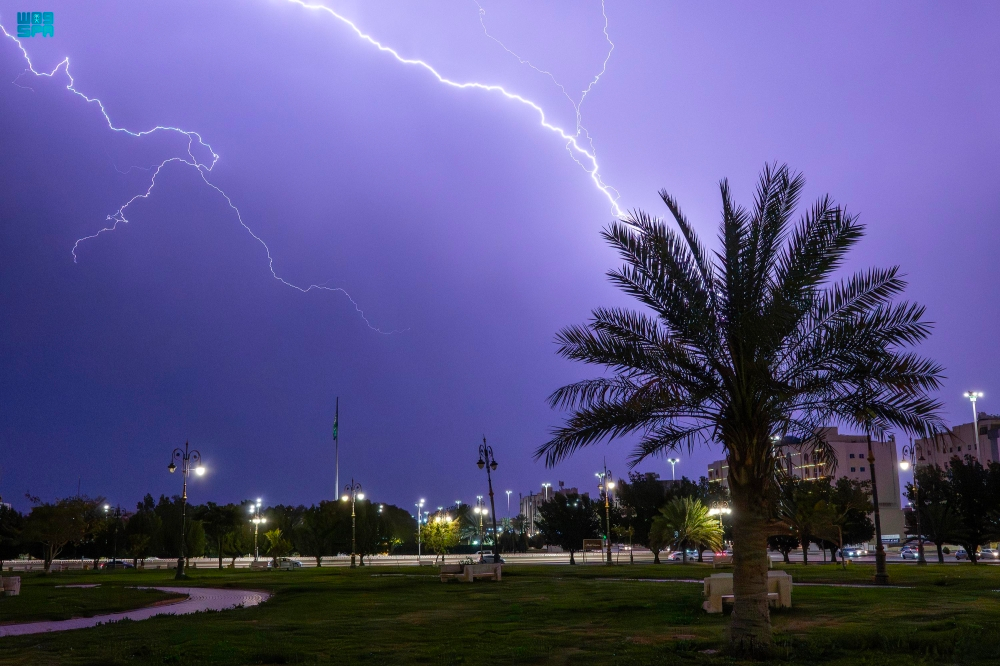
Northern regions of Saudi Arabia are experiencing significant weather fluctuations as part of the weather . Today, much-needed rain fell across large parts of the north. These rainfalls, ranging from light to moderate and heavy, were concentrated in the Northern Borders region, Al-Jawf region, and Tabuk region, creating a wonderful winter atmosphere in these provinces and their surrounding villages. The chance of further rainfall remains in the coming hours.
Winter climate and rainy seasons in the north of the Kingdom
Historically, the northern regions of Saudi Arabia have been the primary gateway for weather systems originating from the Mediterranean basin during the autumn and winter seasons. These regions are characterized by their diverse geography, which directly interacts with these climatic changes. The rainy season in these areas typically begins with the onset of the Wasim season and continues throughout the winter, transforming the land into a lush vegetation and filling the valleys and ravines with flowing water. This rainfall is an integral part of the natural climatic cycle that the region's inhabitants have been accustomed to for centuries, playing a vital role in sustaining the environment and moderating the climate.
The effects of Saudi Arabia's weather on agriculture and water reserves
Following Saudi Arabia's weather is not just about news; it extends to profound economic and environmental impacts. Locally and regionally, these rains are a lifeline for the agricultural sector, particularly in the Al-Jawf region, a vital food basket and home to millions of olive trees, as well as the Tabuk region, known for its vast farms and diverse crops. These rainfalls contribute to soil leaching, reducing reliance on artificial irrigation, and play a strategic role in replenishing groundwater aquifers and raising water levels in local dams, thus enhancing the Kingdom's water and food security and aligning with its environmental sustainability goals.
Details of the rainfall situation in Tabuk, Al-Jawf and the Northern Borders
Returning to the details of the current weather situation, moderate rain fell on the Tarf governorate and its surrounding areas in the Northern Borders region. In the Al-Jawf region, moderate rain fell last night on the Qurayyat governorate, including the Al-Haditha and Al-Uqaylah centers and their surrounding villages. In the Tabuk region, moderate rain fell Wednesday evening on the Haql governorate and its surrounding areas, including Al-Hamdha, Wadi Mabrak, and Al-Durrah. The Al-Aqan center and its surrounding areas also experienced light to moderate rain, including Al-Hadhib Al-Abyad, Al-Sadarah, Al-Bayyanah, and Wadi Tharaf. In the Al-Zaytah center, the rain was moderate to heavy, including Sharif Mu'tiyah, Al-Shaqqah, Al-Kharj, Al-Wadi Al-Abyad, Al-Qattar, Ras Al-Zaytah, and Wadi Al-Natish. The rain also extended to the Al-Bida' governorate and its surrounding areas, as well as the Bir Ibn Hirmas and Al-Uyaynah centers in the Tabuk region.
The impact of rainfall on winter tourism and public life
In addition to its agricultural and water-related benefits, this rainy weather adds a distinctive tourist appeal. The northern regions, particularly the Tabuk highlands and areas like Al-Aqan and Al-Zaytah, become favorite destinations for winter tourism and camping enthusiasts. This weather attracts visitors from within the Kingdom and abroad to enjoy the stunning natural scenery and flowing valleys, positively impacting the local economy and supporting the domestic tourism sector, which is experiencing rapid growth thanks to this exceptional weather.