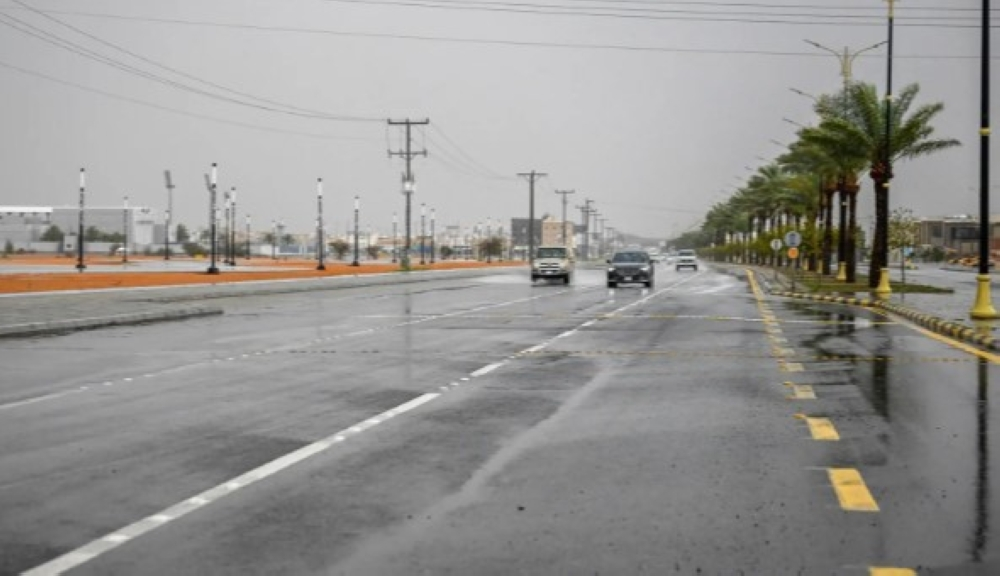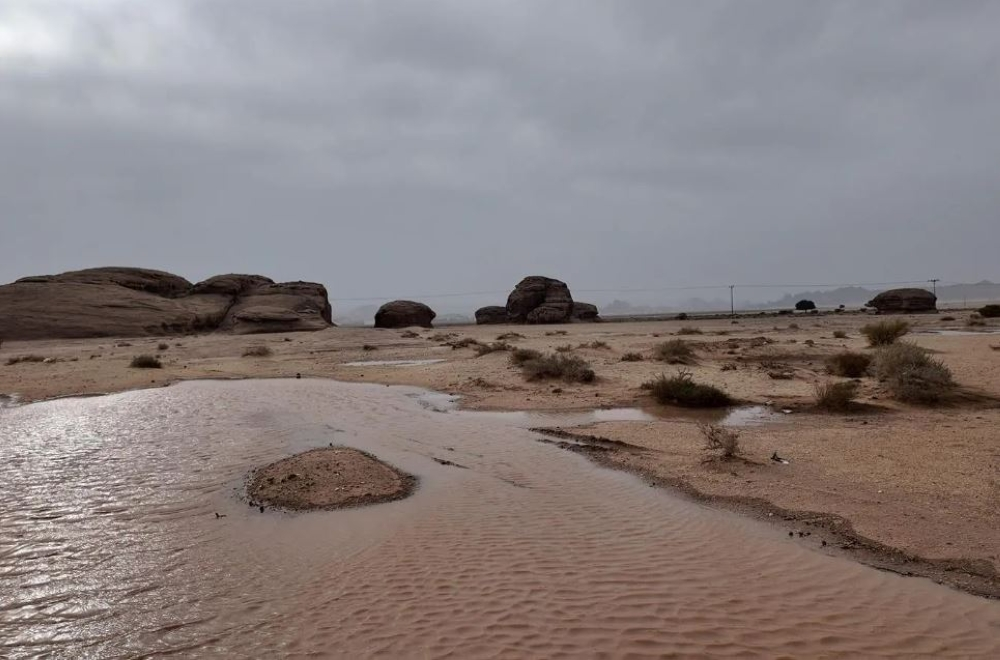
The past few hours have witnessed notable developments in Saudi Arabia's weather , with light to moderate rain falling today on the historic Al-Ula region. This rainfall affected various parts of the region and its surrounding areas, creating a wonderful winter atmosphere in the area, which is one of the Kingdom's most prominent tourist destinations. This rain is part of a series of climatic changes the Kingdom is experiencing during this time of year.
National Center for Meteorology alerts regarding Saudi Arabia's weather
In a related development, the National Center for Meteorology previously announced details of the weather conditions across Saudi Arabia on Sunday. The center issued significant warnings of thunderstorms and flash floods in several regions. According to the official statement released on Sunday, moderate to heavy thunderstorms are expected, which may lead to flash floods in valleys and ravines. This weather system will also be accompanied by hail and strong winds that will stir up dust and sand, potentially reducing horizontal visibility to near zero across large parts of the regions of Madinah, Tabuk, Al-Jawf, the Northern Borders, Hail, Al-Qassim, Riyadh, and the Eastern Province.
Winter climate and geographical history of the region
The Arabian Peninsula is generally characterized by a dry desert climate, but winter typically brings low-pressure systems that affect the northern, western, and central parts of the country. Historically, Al-Ula Governorate, located in the northwest of the Kingdom, has been one of the areas that benefits greatly from these seasonal rainfalls. Rainfall in this region is not merely a fleeting phenomenon, but rather part of a climatic cycle that, over thousands of years, has contributed to shaping the unique rock formations for which Al-Ula is known today, such as the Hajar Mountains and their deep valleys. These changes in weather patterns reflect the nature of the climatic shifts the region undergoes during the transitional seasons between autumn and winter.
The impact of rainfall on tourism and public life
These weather changes are of great importance on several levels. Locally, the rainfall contributes to irrigating farms and replenishing the groundwater upon which the agricultural oases of Al-Ula depend, especially the date palm and citrus groves for which the region is famous. Regionally and in terms of tourism, the rainfall adds an exceptional aesthetic touch to the archaeological and natural landmarks, attracting more tourists, visitors, and photography enthusiasts to document the cascading waterfalls from the rocky mountain peaks. However, these conditions require caution from citizens and residents, as the relevant authorities consistently emphasize the need to stay away from wadis and floodplains during heavy rainfall to ensure everyone's safety, and to adhere to Civil Defense instructions to avoid any potential hazards that may arise from the weather fluctuations.