Saudi Arabia is bracing for a distinctly wintry weather system, characterized by sharp fluctuations and a dual impact. Cold air masses will combine with strong winds to create a powerful weather wave. According to reports from the National Center for Meteorology, the Kingdom is expected to experience a sharp drop in temperatures, approaching freezing levels, accompanied by active surface winds that will stir up dust and sand, starting from Tuesday, January 20th, until Thursday, January 22nd.
Details of the temperature drop and frost
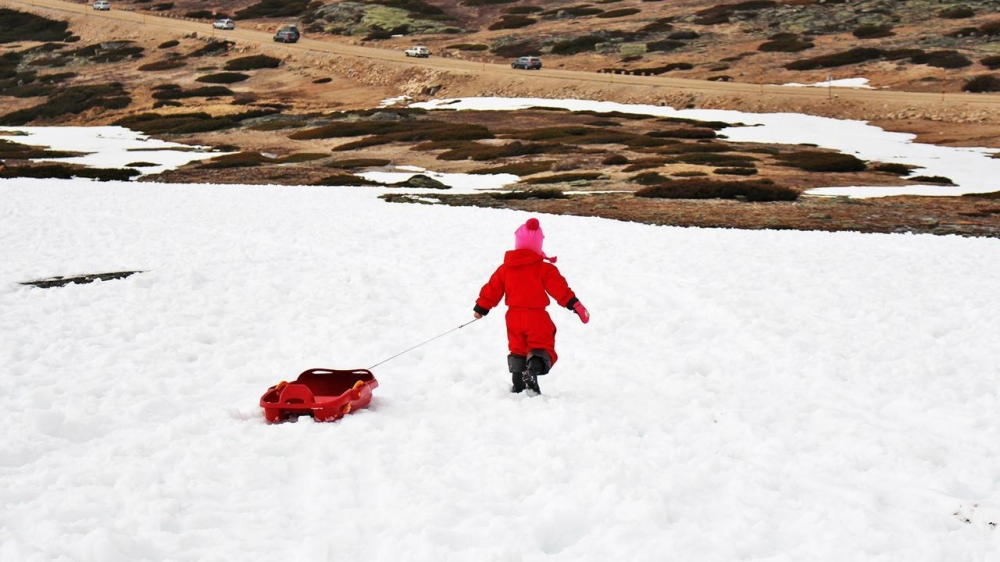
Official forecasts indicate that a polar wave will begin to have a direct and strong impact on the northern regions of the Kingdom, specifically Tabuk, Al-Jawf, the Northern Borders, Hail, and northern Madinah. This low-pressure system is expected to bring extremely cold weather, with temperatures plummeting to between 2 degrees Celsius above zero and 2 degrees below zero. This increases the likelihood of frost formation in the early morning hours, necessitating the taking of necessary precautions to prevent colds and ensure adequate and safe heating.
Dust storm path and reduced visibility
In parallel with the temperature drop, weather maps have detected a noticeable increase in surface wind activity. This activity will begin by stirring up dust and sand in the Al-Jawf and Northern Borders regions on Tuesday, then expand geographically and intensify Tuesday evening and throughout Wednesday, covering the Hail, Al-Qassim, Riyadh, and Eastern regions, reaching as far south as Najran. This wind activity may lead to a significant decrease in horizontal visibility on highways and open areas, requiring extreme caution from drivers and road users.
Climate context and wave effects
This cold wave occurs within a natural climatic context, coinciding with the peak of winter in the Kingdom. The Arabian Peninsula is typically affected in January and February by the advance of polar air masses originating from Siberia or Eastern Europe. These waves are particularly significant due to their direct impact on daily life, from the need to adjust clothing and heating methods to their effect on the agricultural sector in northern regions, where frost poses a challenge to winter crops.
Public safety recommendations
With the impact of the active winds extending to the eastern parts of Asir and Al-Baha, and the coasts of Mecca and Medina, the National Center for Meteorology and relevant authorities urge citizens and residents to follow real-time weather updates. Those with respiratory conditions and asthma are advised to avoid direct exposure to dust and to adhere to Civil Defense instructions regarding the use of heating appliances to prevent suffocation or fires, ensuring a safe passage through this weather system.