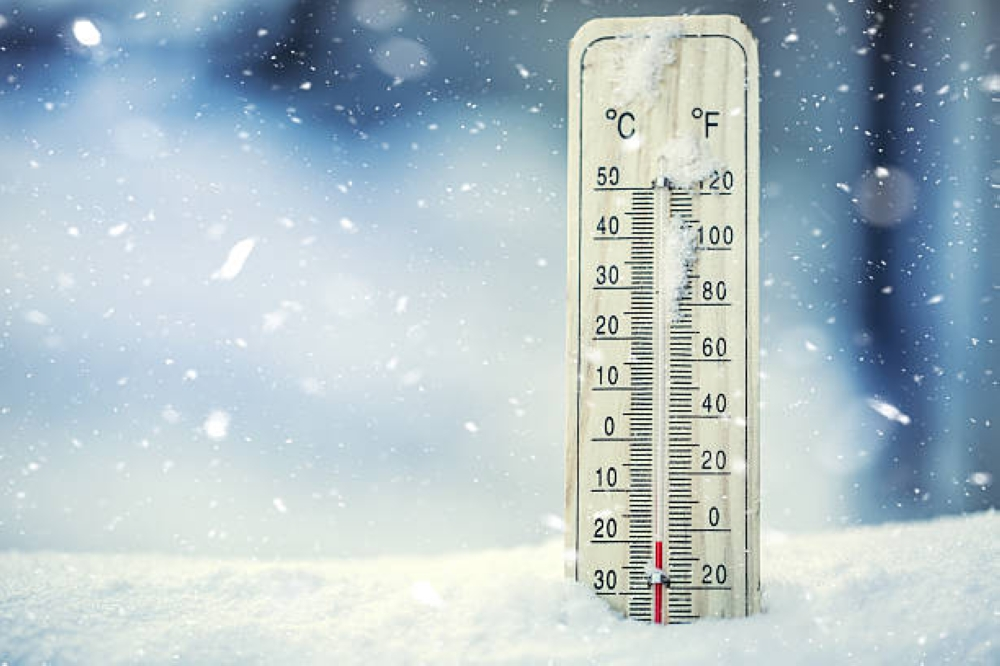
Several regions in the Kingdom of Saudi Arabia witnessed a significant drop in temperatures on Sunday, January 18, with the governorate of Tarif the way by recording the lowest minimum temperature of one degree Celsius , reflecting the peak of the cold wave affecting the northern regions of the Kingdom.
Temperature details in Saudi cities
Arar and Sakaka recorded only 2 degrees Celsius, while Qurayyat 3 degrees Celsius. The drop also affected other regions, with minimum temperatures reaching 6 degrees Celsius in Qaisumah, Al-Ahsa, Dammam, Rafha, Tabuk, and Hail. This decrease is within the normal context of the Kingdom's climate in January, as the northern and central regions are typically affected by cold air masses from the north, making them the most susceptible to frost.
Weather phenomena: wind and dust
The National Center of Meteorology, in its weather forecast, indicated that dust-raising winds will continue. This effect will be particularly concentrated in:
- The eastern parts of the highlands of the western and southwestern regions.
- Parts of the regions of Medina, Hail, Qassim, and Riyadh.
- The northern parts of the Eastern Province.
These weather phenomena are of particular importance due to their direct impact on horizontal visibility, necessitating caution while driving on highways and open roads. The report also indicated the possibility of scattered rain and fog in parts of the aforementioned regions, as well as the Al-Jawf and Northern Borders regions, further enhancing the unsettled winter weather.
Sea and wave conditions
In terms of maritime navigation, the Red Sea northwesterly to northerly surface winds in its northern and central parts, and southeasterly to southerly winds in its southern part, with speeds ranging from 15 to 45 km/h. Wave heights range from half a meter to one and a half meters, and may reach two meters with the formation of rain-bearing thunderclouds, making the sea state moderate to occasionally rough.
In the Arabian Gulf , northwesterly winds are active at similar speeds, with waves reaching up to two meters in height if thunderstorms develop over the northern part. Monitoring these reports is essential for fishermen and seafarers to ensure their safety.
Climate context and its impact
This weather pattern is particularly significant as it coincides with the actual winter season in the Arabian Peninsula, where the northern regions act as the gateway to the cold for the Kingdom. These weather fluctuations, including the drop in temperature and dust storms, affect daily life and public health, especially for those with respiratory conditions, highlighting the importance of adhering to the instructions of the relevant authorities and wearing appropriate winter clothing.