Northern regions of Saudi Arabia experienced a noticeable drop in temperatures with the arrival of January. The National Center for Meteorology reported in its daily update that the cities of Tarif and Qurayyat recorded the lowest minimum temperature in the Kingdom, reaching 5 degrees Celsius early Thursday morning. Sakaka also experienced this cold weather, recording 5 degrees Celsius, while the governorates of Al-Ahsa and Arar recorded 6 degrees Celsius, indicating the deepening of the cold air mass in the northern and eastern regions.
Details of the expected weather conditions
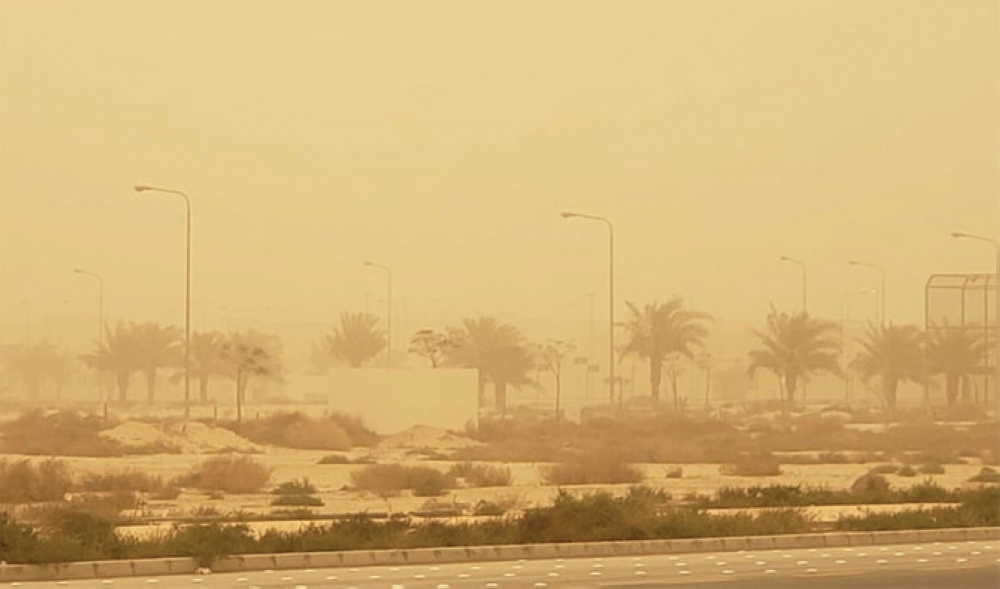
Regarding the weather forecast for the coming hours, the National Center for Meteorology indicated that surface winds will continue to stir up dust and sand. This weather condition is expected to significantly reduce horizontal visibility across large parts of the Riyadh, Northern Borders, Al-Jawf, and Tabuk regions, with these effects extending to the eastern parts of the Makkah and Madinah regions. The center also warned of the possibility of dense fog forming during the night and early morning hours, which could impair visibility in parts of the Tabuk region and the southern parts of the Eastern Province.
The climatic and geographical context of the northern regions
These temperature drops are consistent with the geographical and climatic characteristics of the northern regions of Saudi Arabia. Tarif and Qurayyat are historically known as some of the coldest areas in the Kingdom during winter, due to their high altitude and proximity to climatic influences from the Levant and the Mediterranean basin. January typically sees the coldest months in these areas, as they are affected by polar air masses that contribute to temperatures dropping below freezing in some seasons, making temperatures as low as 5 degrees Celsius a normal occurrence, though one that requires preparedness.
Weather conditions and safety recommendations
These weather fluctuations have direct impacts on daily life, particularly regarding traffic and public health. With reduced horizontal visibility due to dust or fog, the risks increase on highways and open roads connecting these governorates. Therefore, meteorologists and security authorities advise drivers to exercise caution, use fog lights when necessary, and maintain safe distances between vehicles. Those with respiratory conditions and asthma are also advised to avoid direct exposure to dusty conditions to minimize potential health complications.
The National Center for Meteorology emphasizes the importance of following the daily reports and early warnings it issues through its official platforms, to ensure everyone’s safety and good preparedness for any sudden changes in weather conditions, especially in light of the weather fluctuations that the Kingdom is experiencing during the current winter season.