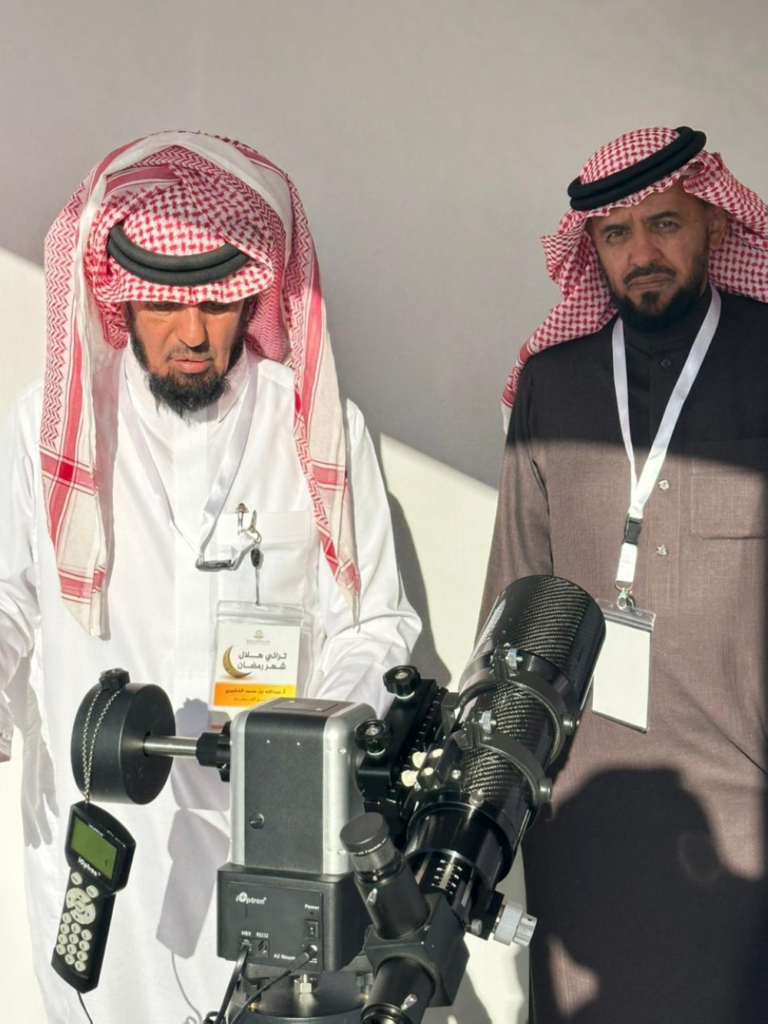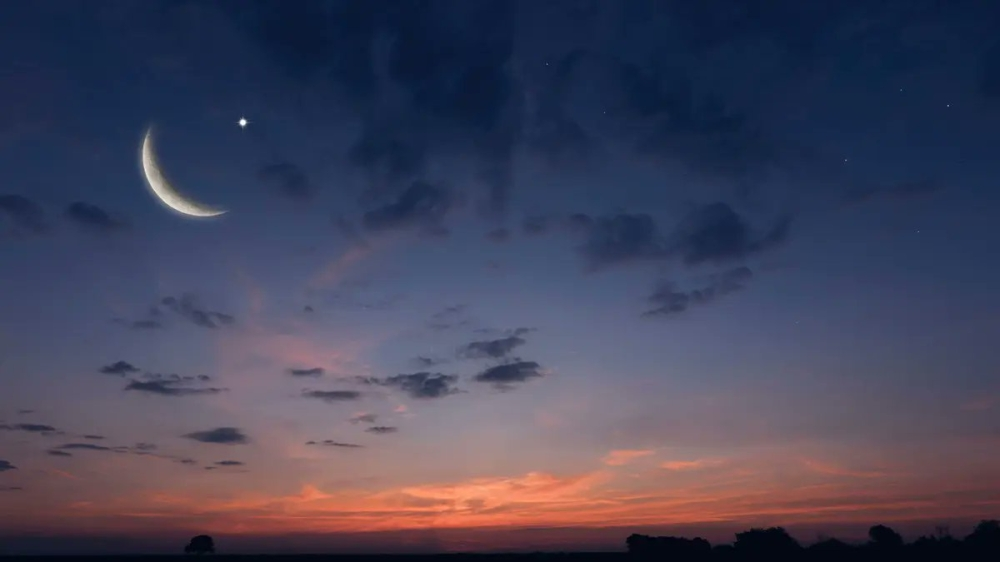
The National Center for Meteorology in Saudi Arabia issued a detailed statement regarding the expected weather conditions this evening, coinciding with the Supreme Court's call to sight the crescent moon of Ramadan. The center's official spokesperson, Hussein Al-Qahtani, explained that weather conditions will play a crucial role in determining the possibility of sighting the crescent, as conditions vary across the Kingdom.
The religious context and the importance of sighting the crescent moon
The sighting of the crescent moon for the month of Ramadan is a long-established Islamic tradition and an annual practice of great importance throughout the Muslim world. Based on the sighting of the crescent, the beginning of the month of fasting, the fourth pillar of Islam, is announced. This practice is based on the Prophetic tradition, “Fast when you see it (the crescent moon) and break your fast when you see it.” In Saudi Arabia, the Supreme Court is responsible for calling upon all Muslims to observe the crescent moon and bases its final decision on reliable testimonies received from various moon-sighting committees across the country, as well as official astronomical observatories.
Local and international impact of the Vision declaration
The announcement of the sighting of the Ramadan crescent moon has an impact not only within the Kingdom but also across the entire Muslim world. Given the Kingdom's religious significance and the presence of the Two Holy Mosques on its territory, many Muslim countries and communities around the world eagerly await and follow its announcement to determine the start of the holy month. This makes the moon sighting in Saudi Arabia an event of regional and international importance, as it contributes to unifying Muslims in beginning their fast and celebrating the holy month at a similar time.
Details of the weather conditions and their impact on visibility
According to the National Center of Meteorology, generally stable and clear weather is expected in the central region, greatly increasing the chances of clearly sighting the crescent moon in cities like Riyadh and its surrounding areas. These areas are considered ideal locations for the moon-sighting committees.
In contrast, Al-Qahtani pointed out that the western and northern parts of the Kingdom may face some challenges. Partly to mostly cloudy skies are expected over the Tabuk, Al-Jawf, and Northern Borders regions. These clouds may completely or partially obscure the crescent moon, making the task of observers in those areas more difficult.
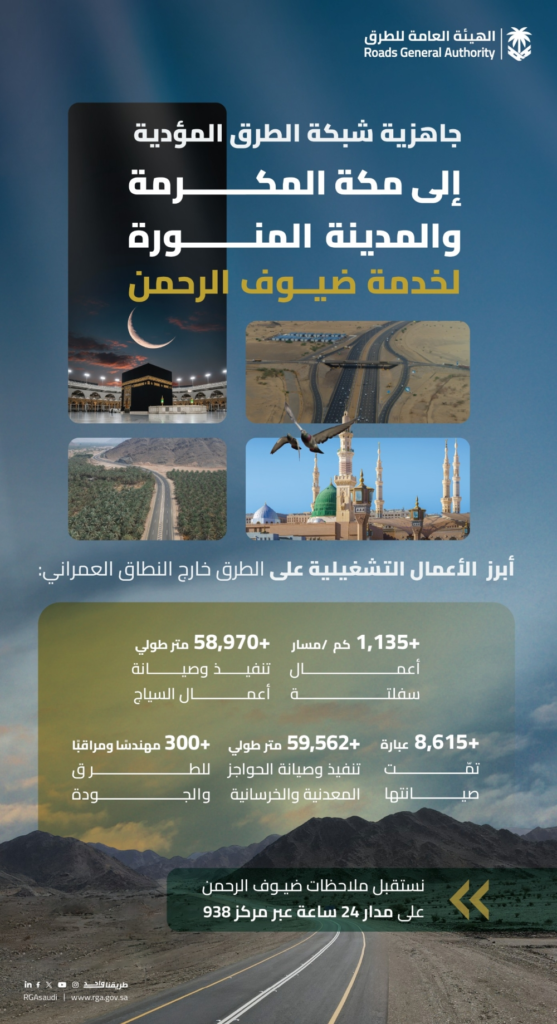
The center added that surface winds are expected to stir up dust and sand, which may reduce horizontal visibility. The effects of this dust are likely to extend to parts of the Makkah and Madinah regions, requiring monitoring committees in those areas to take precautions and be prepared to deal with potentially less-than-ideal visibility conditions.
Integration of science and Sharia
These weather-related clarifications are essential to supporting the work of moon-sighting committees and astronomical observatories, as accurate weather information helps in identifying the best locations for observation and interpreting the results. The official spokesperson concluded his statement with a prayer that God blesses everyone with peace and faith during this holy month, emphasizing that the center will continue to monitor weather developments and issue necessary reports around the clock.