The National Center for Meteorology in the Kingdom of Saudi Arabia issued its detailed report on the expected weather conditions coinciding with the start of the mid-year school break of 1447 AH . The report outlined the features of fluctuating weather combining active winds that stir up dust in some areas, and rainfall and a drop in temperatures in other areas, which calls for the attention of citizens, residents and travelers during this vital period.
Wind activity and reduced horizontal visibility
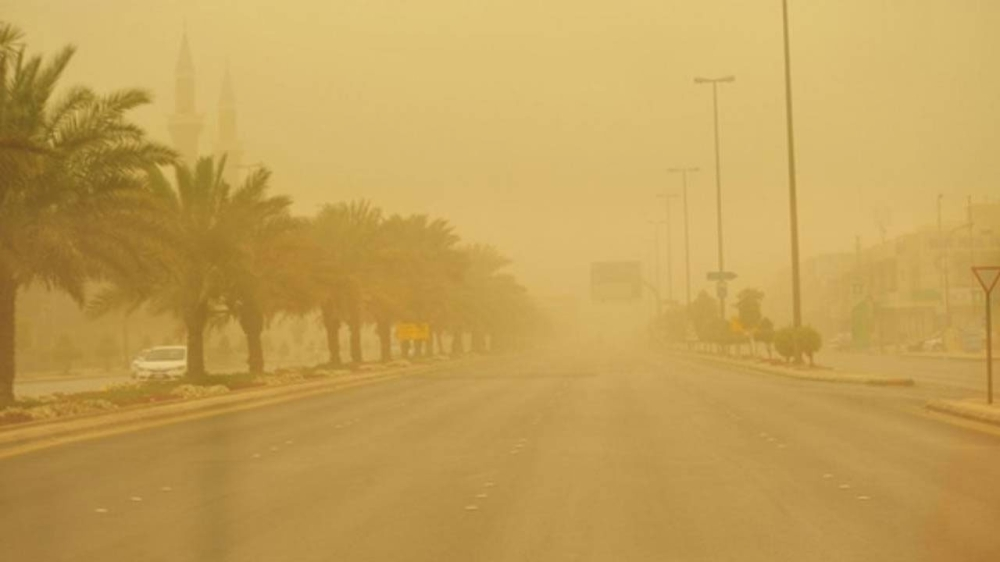
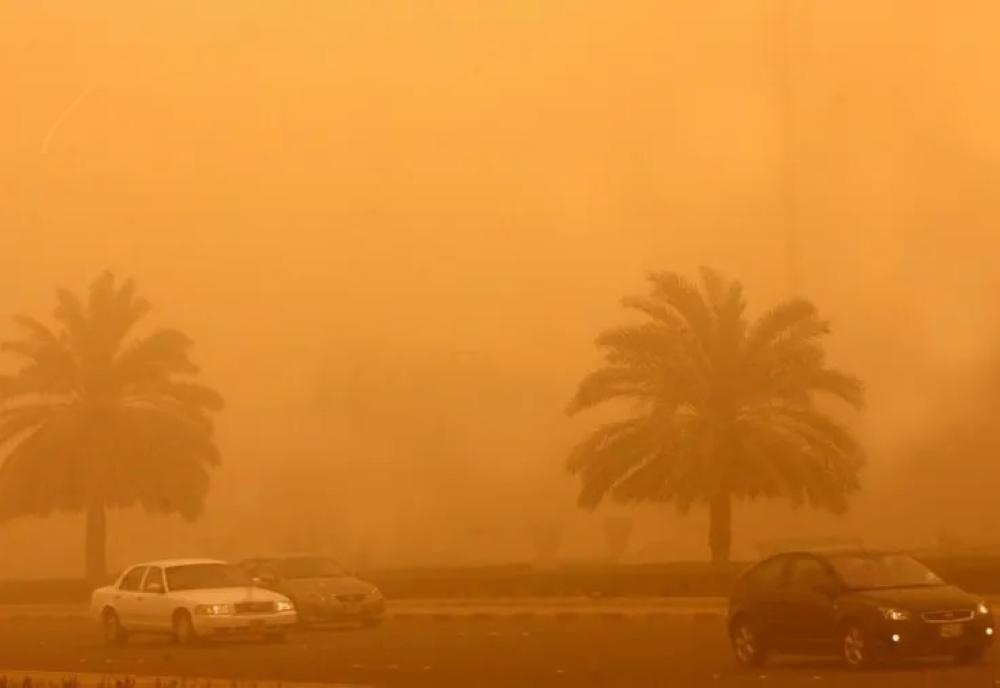
The report indicated that forecasts point to significant surface wind activity that will stir up dust and sand, particularly during daylight hours. This weather pattern is expected to reduce horizontal visibility, posing a challenge for motorists on highways and in open areas. The center identified the areas most affected by these dust storms as including large parts of Tabuk, Al-Jawf, the Northern Borders, Hail, Makkah, and Madinah, with the effects extending to Al-Qassim, Riyadh, and the Eastern Province.
Rainfall and cold wave map
Conversely, the report brought promising signs of rainfall towards the end of the week, with varying intensities expected to bring rain to parts of Tabuk, Al-Jawf, the Northern Borders region, and Hail, in addition to the Makkah and Madinah regions. This rainy weather coincides with warnings of cold nights and early mornings, particularly in the northern regions of the Kingdom and the southwestern highlands, which may experience fog and frost, creating a distinctly wintry atmosphere for the holiday.
Climatic context and topographical diversity
These weather fluctuations are a natural part of Saudi Arabia's continental climate at this time of year, as the region is typically affected by low-pressure systems originating from the Mediterranean Sea or the extension of cold Siberian high-pressure systems. This variation in weather—from dust storms in the east and central regions to rain in the west and north—reflects the Kingdom's diverse geography, where topography plays a crucial role in shaping local weather patterns, making it essential to monitor weather forecasts for each specific region.
The impact of weather on domestic travel and tourism
These forecasts are particularly significant given their timing with the mid-year school break, a period that sees a surge in domestic travel and camping. While dust storms may disrupt some camping plans in the central and eastern regions, the expected rainfall in the western and northern areas could attract hikers seeking spring-like weather and stunning scenery after the rain. Therefore, experts advise planning trips in advance based on weather conditions to ensure safety and an enjoyable holiday.
Public safety recommendations
The National Center of Meteorology urged everyone to exercise caution and follow daily reports closely through official channels. It emphasized the importance of adhering to traffic safety guidelines when visibility is reduced due to dust or during rainfall and flash floods, as well as wearing appropriate winter clothing in areas expected to experience a sharp drop in temperatures. The center wished all students and their families a happy and safe holiday.