The National Center for Meteorology issued its daily weather for Friday in Saudi Arabia, revealing varying weather conditions affecting large areas of the country. The center warned in its official statement of frost formation and active winds stirring up dust and sand, which could reduce horizontal visibility in parts of nine administrative regions, urging citizens and residents to exercise caution.
Weather details and affected areas
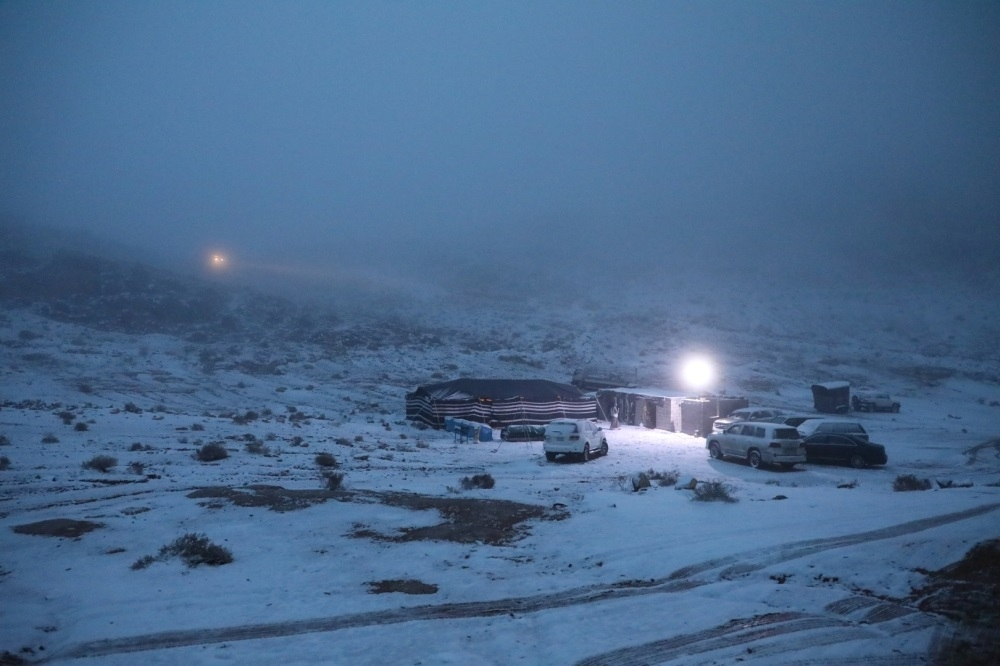
According to the meteorological statement, the impact of active winds stirring up dust and sand continues, reducing visibility on highways and in open areas. This includes parts of the Tabuk, Madinah, and Makkah , and extends to the eastern parts of the Al-Baha and Asir . Meanwhile, a cold to very cold air mass is dominating the northern regions, creating conditions conducive to frost formation during the night and early morning hours in parts of the Northern Borders, Al-Jawf, Hail, and Tabuk regions, as well as the northern parts of the Madinah and Eastern regions.
The climatic context and nature of winter in the Kingdom
These weather fluctuations are part of the typical winter climate in Saudi Arabia, where the country is usually affected by polar air masses that cause a sharp drop in temperatures, particularly in the northern and central regions. The Kingdom's diverse geography results in significant weather variations between coastal areas, highlands, and open desert regions. Frost waves in northern areas (such as Tarif, Qurayyat, and Arar) are a recurring annual phenomenon, requiring special preparations from farmers to protect their crops and from drivers to avoid skidding or starting problems in the early morning.
The importance of warnings and safety measures
The National Center of Meteorology's bulletins are of paramount importance for ensuring the safety of lives and property. Early warnings help relevant authorities and drivers on highways connecting different regions to take necessary precautions. During dust storms, experts advise keeping windows tightly closed and using face masks for those with respiratory conditions. In cases of frost and extreme cold, it is recommended to wear heavy winter clothing and check home heating systems to ensure they are functioning safely.
State of the Red Sea and the Arabian Gulf
Regarding the marine conditions, the report described the movement of waves and winds as follows:
- The Red Sea: Surface winds are westerly to northerly in the northern and central parts, with speeds ranging from 25-45 km/h, and southeasterly to southerly in the southern part. Wave heights range from 1.5 to 2.5 meters in the north and central regions, making sea conditions rough, while they are slight to moderate in the south.
- Arabian Gulf: Northwesterly to westerly winds are blowing at speeds of up to 50 km/h, with waves reaching up to two and a half meters in height in the northern and central parts, which means a rough sea state that requires caution for fishermen and seafarers.