The National Center for Meteorology in Saudi Arabia, in its daily weather for Wednesday, revealed forecasts of continued weather fluctuations affecting large areas of the Kingdom. The report indicated significant activity in surface winds stirring up dust and sand, leading to reduced horizontal visibility in several vital regions.
Areas affected by the weather conditions
According to data released by the center, the impact of active winds and dust storms will affect large parts of 10 administrative regions: Makkah, Riyadh, Madinah, Qassim, Hail, Tabuk, Al-Jawf, the Northern Borders, the Eastern Province, and Najran. This weather pattern also extends to the eastern parts of the southwestern highlands of the Kingdom, necessitating caution while traveling on open highways in those areas.
State of the Red Sea and the Arabian Gulf
Regarding maritime navigation, the report detailed wave and wind movements as follows:
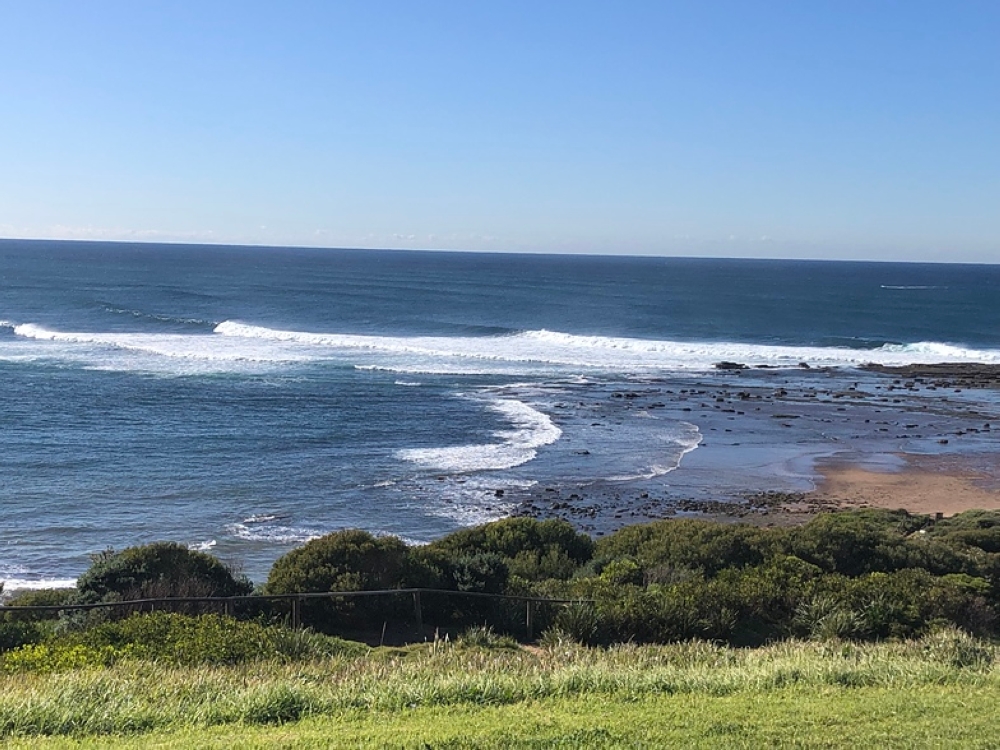
- The Red Sea: Surface winds will range from 15 to 30 km/h, blowing from the northwest to southwest in the northern part, and from the north to northwest in the central and southern parts. Wave heights will range from half a meter to one and a half meters, with sea conditions ranging from slight to moderate.
- The Arabian Gulf: is experiencing a more turbulent situation, with northwesterly winds blowing at speeds of up to 50 km/h (25-50 km/h), resulting in waves rising from one and a half to two and a half meters, and the sea state being moderate to rough.
Special alerts for the Eastern Province
The early warning system issued detailed alerts for the Eastern Province, warning of strong winds and dust storms starting at 9 AM and continuing until 6 PM. The effects include:
- The coastal cities (Jubail, Khobar, Dammam, Dhahran, Qatif, Ras Tanura): will experience strong winds reaching speeds of (40-49) km/h, leading to high waves and reduced visibility.
- The interior governorates (Al-Ahsa, Al-Adeed, Buqayq): will be affected by dust storms that will reduce horizontal visibility to between (2-5) kilometers.
The importance of caution and safety guidelines
These warnings are particularly important given the Kingdom's geography, where dust storms and blowing sand often have direct impacts on public health and road safety. Experts advise following these safety guidelines in such conditions:
- For respiratory patients: It is recommended to avoid direct exposure to dust and to stay indoors as much as possible, and to use masks when necessary to avoid asthma and allergy attacks.
- For drivers: Maintain a safe distance between vehicles, use warning lights when visibility suddenly drops, and avoid high speeds, especially on highways connecting affected areas.
The National Center of Meteorology continuously emphasizes the need to follow real-time reports through its official platforms, as this information plays a vital role in regulating air and sea traffic, and helps citizens and residents plan their daily movements safely.