The National Center for Meteorology in Saudi Arabia issued weather , warning of severe weather fluctuations affecting several regions of the Kingdom. Forecasts indicate a strong cold wave causing temperatures to drop to very low levels, urging citizens and residents in the affected areas to take precautions.
Details of the cold wave and frost
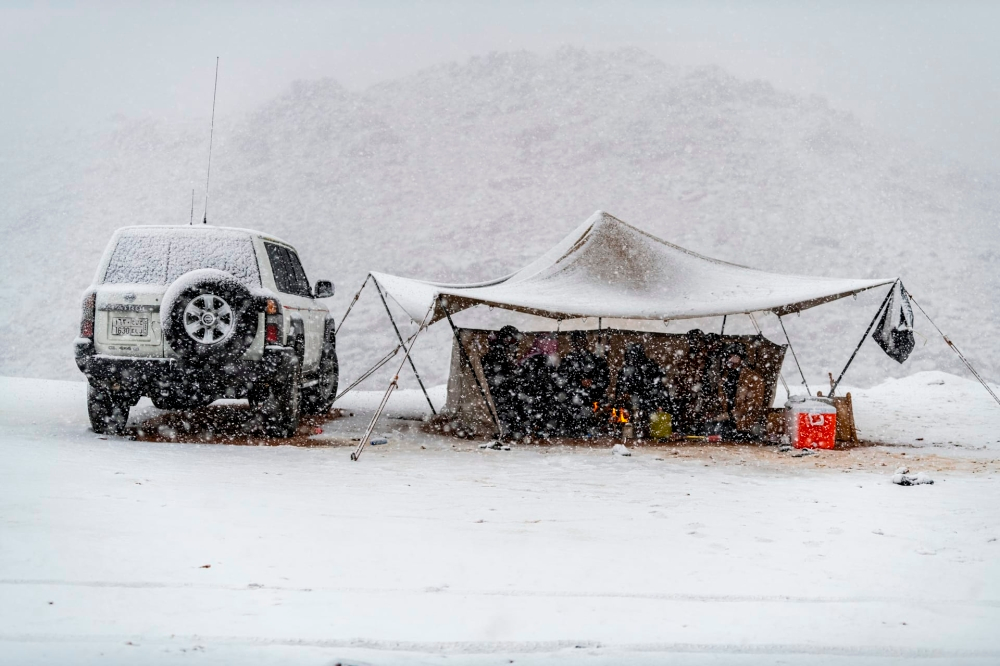
According to the weather report, large parts of four major regions— Al-Jawf, the Northern Borders, Tabuk, and Hail —will be affected by a cold wave, with its noticeable effects beginning in the early morning hours of Friday. The peak of this weather system will begin at 1:00 AM and continue until 8:00 AM, with temperatures plummeting to between 0°C and -3°C, leading to frost formation and freezing water in some exposed areas.
The areas directly affected include the following:
- Al-Jawf region: Al-Qurayyat, Dumat Al-Jandal, Sakaka, and Tabarjal.
- Northern borders: Al-Uwaiqilah, Rafha, Tarif, and Arar.
- Tabuk region: Tayma, Jabal Al-Lawz, Tabuk, and Al-Aqan.
- Hail region: Al-Hait, Al-Sulaimi, Al-Shamli, Al-Shanan, Al-Ghazala, Baqaa, Hail, Samira, and Muwaqq.
The climatic and geographical context of the northern regions
This cold wave is typical of the geographical and climatic conditions of the northern and northwestern regions of Saudi Arabia. These areas are characterized by their high altitude and proximity to climatic influences from higher latitudes, making them susceptible to cold polar air masses during winter. Areas such as Jabal al-Lawz in Tabuk and Tarif in the Northern Borders region are among the areas that have historically recorded the lowest temperatures in the Kingdom, and they often experience snowfall or frost during January and February.
Active winds and dust in the eastern region
In contrast, on the eastern side of the Kingdom, the National Center for Meteorology warned of different weather phenomena, including active surface winds and dust storms. This condition is expected to begin at 9:00 AM and continue until 6:00 PM on Friday.
The effects include a decrease in horizontal visibility to 3-5 kilometers, along with high sea waves and winds reaching speeds of 40-49 kilometers per hour. This weather pattern will affect the cities and governorates of Al-Ahsa, Al-Udayd, Buqayq, Al-Khafji, Al-Nu'ayriyah, Qaryat Al-Ulya, as well as Jubail, Al-Khobar, Dammam, Qatif, and Ras Tanura.
Recommendations and expected effects
Due to these weather fluctuations, weather experts and relevant authorities advise wearing heavy winter clothing in northern regions, especially for children and the elderly, and exercising caution when driving in the early morning hours due to the possibility of frost or fog. In the eastern region, those with respiratory conditions are advised to avoid direct exposure to dust, and those at sea should be cautious due to high waves and rough seas.