The National Center for Meteorology issued an important and urgent weather alert today regarding Saudi Arabia , warning of a severe cold wave directly affecting the northern regions of the Kingdom, specifically the governorates of Qurayyat and Tabarjal in the Al-Jawf region. These warnings come amidst fluctuating weather conditions in the region as the cold air mass deepens.
Details of the cold wave in Al-Jawf
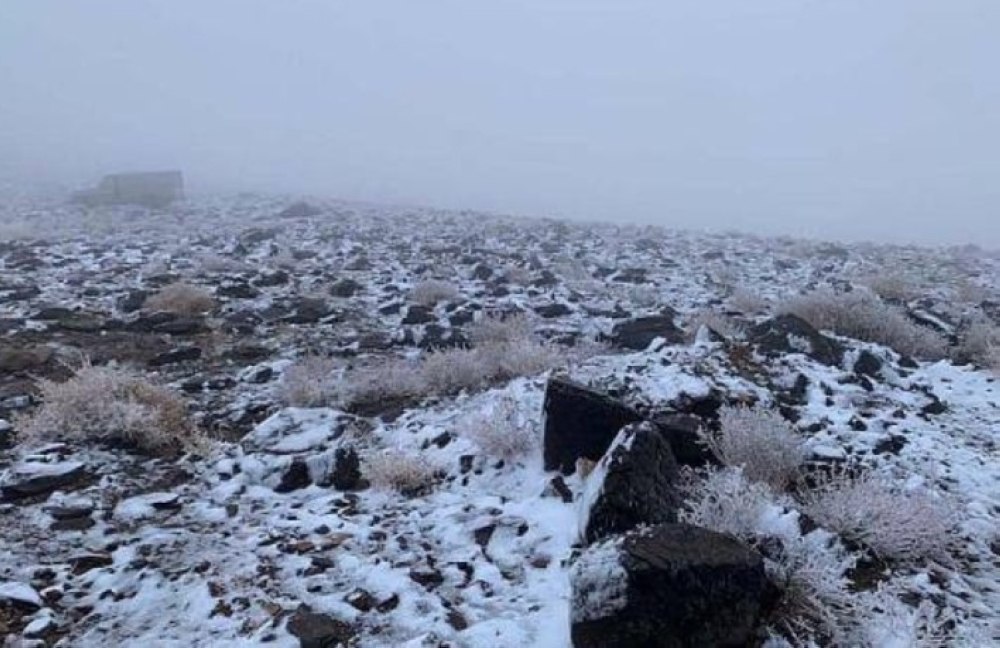
The center explained in its detailed report that forecasts indicate the region's governorates will be affected by a severe cold wave, accompanied by a significant and sharp drop in temperatures ranging from 0°C to -3°C. The report noted that this weather pattern will lead to frost formation, necessitating caution. The center indicated that the peak of this weather event will begin at 1:00 AM and continue until 8:00 AM on Tuesday.
Extension of the impact to other areas
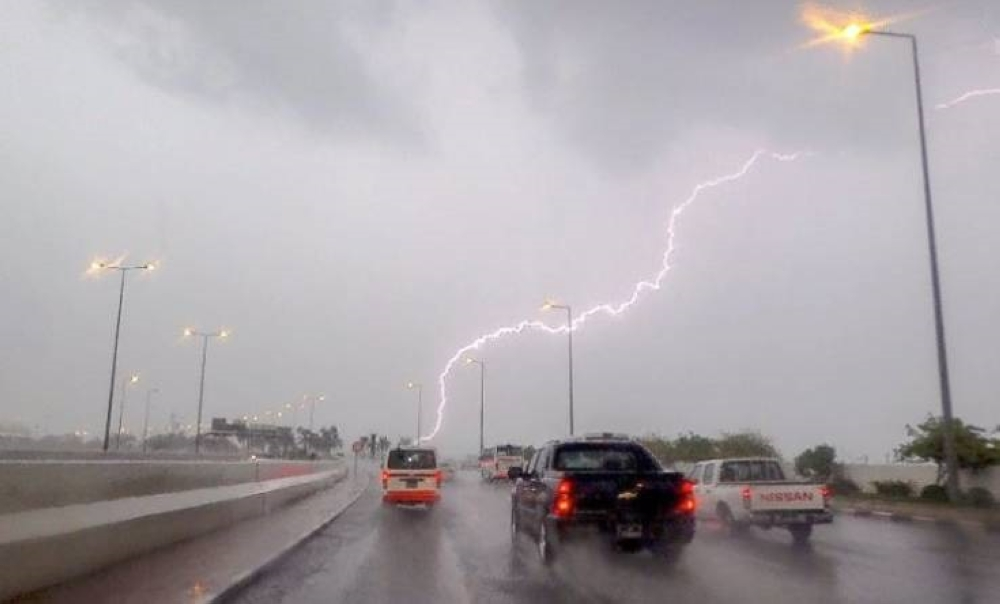
The impact of this cold air mass is not limited to the Al-Jawf region, but extends to several other areas of the Kingdom. Tabuk, the Northern Borders, Hail, and the northern parts of the Madinah region will experience a noticeable drop in minimum temperatures. According to weather forecasts, minimum temperatures in these areas will range between 2 degrees Celsius above zero and 2 degrees below zero during the period from Tuesday to Thursday (January 20–22). The center also warned of active surface winds that will stir up dust and sand, potentially reducing horizontal visibility on highways and in open areas.
Climate context and the impact of polar waves
These cold waves are a typical feature of winter weather in northern Saudi Arabia. Geographically and climatically, the northern regions (Al-Jawf, the Northern Borders, and Tabuk) are the first gateway for polar air masses arriving from Siberia or Eastern Europe via the Mediterranean basin. These areas typically experience record low temperatures during January and February compared to the rest of the Kingdom, making them susceptible to frost and sometimes snowfall in the higher elevations.
Expected effects and preventive measures
This sharp drop in temperatures and the formation of frost have multiple impacts on both the agricultural and domestic sectors. On the agricultural front, the Al-Jawf region, including the governorates of Al-Qurayyat and Tabuk, is renowned as a major food basket for the Kingdom, particularly for its olive, fruit, and grain production. Therefore, frost poses a significant challenge for farmers, who must take preventative measures to protect their crops from freezing damage.
On a general level, the drop in temperature below zero requires citizens and residents to adhere to safety instructions, such as wearing heavy winter clothing, exercising caution when using various heating methods to avoid suffocation or fire incidents, in addition to driving carefully during dust-raising wind activity to ensure traffic safety.