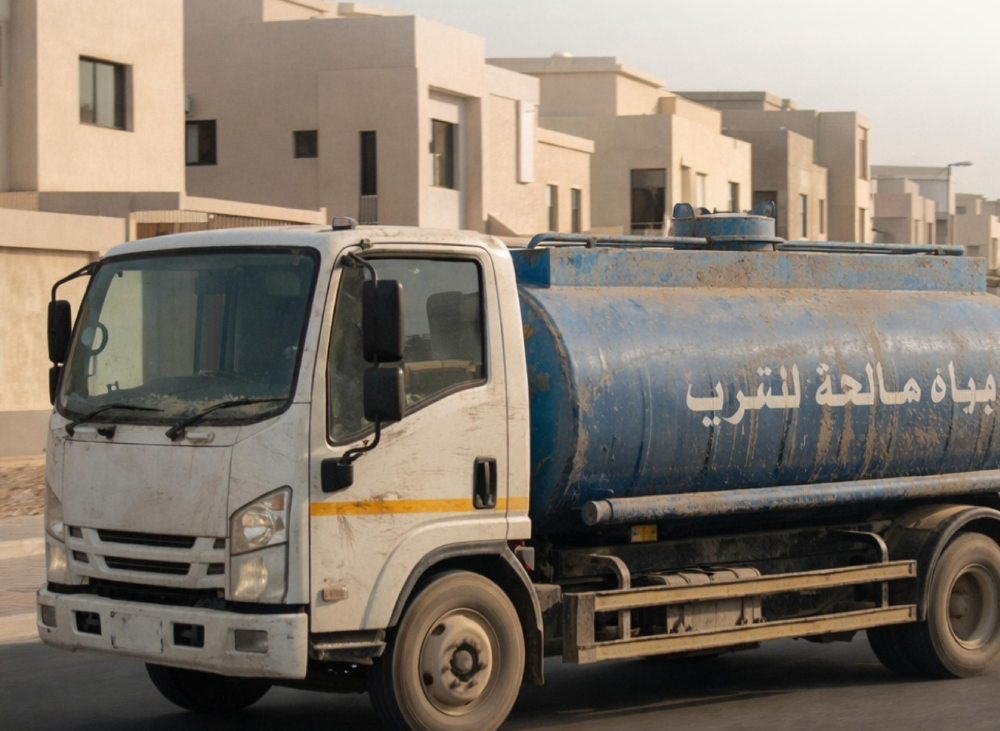
The Saudi Water Authority announced the launch of a new and crucial phase in its oversight efforts, the “Don’t Let It Go” campaign, which directly targets violations by water tankers across the Kingdom. This step comes as part of a comprehensive strategy to improve the quality of services provided to consumers and regulate the non-connected water transport sector, ensuring full compliance with regulatory and technical requirements.
The context of regulation and the importance of the water sector in the Kingdom
The water sector in Saudi Arabia is a top priority within the objectives of Vision 2030, given the importance of water security and sustainability. In recent years, the sector has undergone radical transformations at the legislative and regulatory levels, aimed at governing services and ensuring access to potable water for consumers according to the highest international standards. Water tankers are an integral part of the supply chain, especially in areas not yet connected to the grid, or in situations of increased demand, making the regulation of their operation an urgent necessity to ensure public safety.
Campaign details and new requirements
The authority's awareness and monitoring campaign focused on the importance of a "visual identity" for water tankers. It emphasized that compliance with regulations is not optional but essential, explaining that compliant tankers are distinguished by clearly displayed information including the license number, tank capacity, and the operating company's logo. This facilitates the ability of consumers and regulatory bodies to differentiate between legitimate and non-compliant operators. The "Don't Let It Go" campaign aims to encourage community participation in monitoring by urging them not to overlook violations that could affect their health or rights.
Expected impact: health and economic
This campaign is expected to have a wide-ranging positive impact on several levels:
- On the health and environmental front: Tighter controls ensure that the transported water comes from reliable and clean sources, and that the tanks used in transport conform to health specifications, thus reducing the risk of pollution and waterborne diseases.
- On the economic front: Market regulation contributes to eliminating the “shadow economy” in the water sector, protects consumers from price manipulation, especially during peak seasons such as summer, and enhances opportunities for fair competition among licensed companies.
The authority calls on all citizens and residents to cooperate with the campaign and report any tanker that does not adhere to the approved identity or shows signs of irregularity, stressing that consumer awareness is the first line of defense to ensure a safe and sustainable water service.