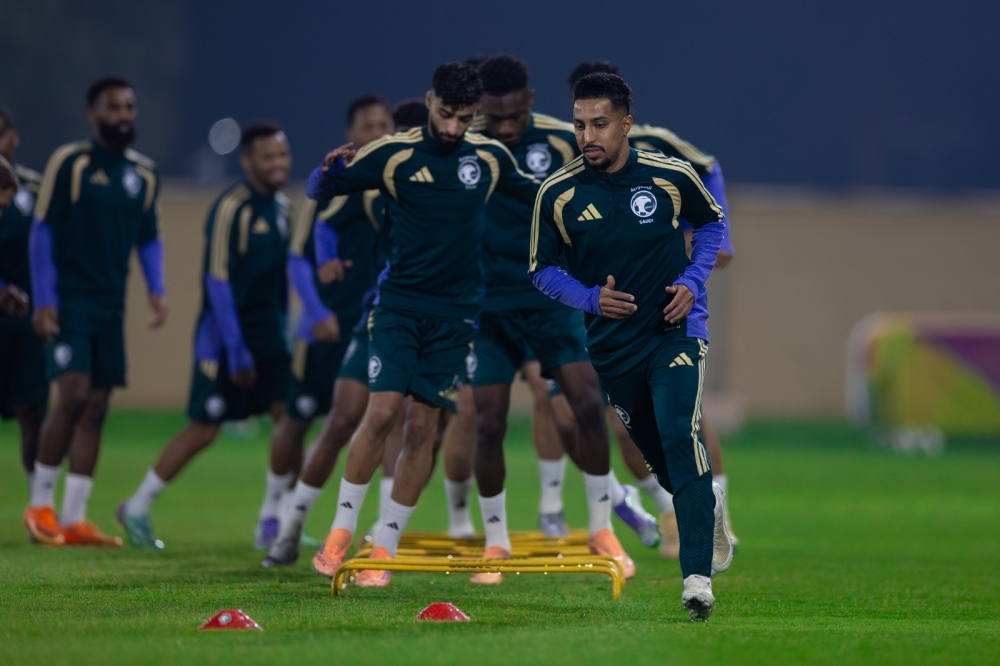
تتجه أنظار عشاق الساحرة المستديرة في العالم العربي، مساء غدٍ الإثنين، صوب استاد "البيت" المونديالي، لمتابعة القمة الكروية المرتقبة التي تجمع بين المنتخب الوطني السعودي ونظيره الأردني، ضمن منافسات الدور نصف النهائي لبطولة كأس العرب 2025. وتكتسب هذه المواجهة أهمية استراتيجية كبرى، ليس فقط لكونها بوابة العبور نحو المباراة النهائية واللقب العربي الغالي، بل لأنها تجمع بين مدرستين كرويتين مختلفتين في الطموح والإمكانيات في الوقت الراهن.
سياق المواجهة وأهمية الحدث
تأتي هذه المباراة في توقيت يشهد فيهت الكرة العربية تطوراً ملحوظاً، حيث يسعى "الأخضر" السعودي لتأكيد زعامته الإقليمية مستفيداً من الطفرة الهائلة التي يعيشها الدوري السعودي للمحترفين، والذي بات محط أنظار العالم. في المقابل، يدخل "النشامى" اللقاء بروح قتالية عالية، معتمدين على التناغم الكبير بين عناصر الفريق ورغبتهم في تحقيق إنجاز تاريخي جديد يضاف لسجلات الكرة الأردنية. اللعب على استاد البيت، أحد أيقونات مونديال 2022، يضفي طابعاً عالمياً على هذه القمة العربية الخالصة.
فوارق القيمة السوقية.. تفوق سعودي كاسح
عند الحديث بلغة المال والأعمال في عالم كرة القدم، تظهر الفجوة الشاسعة بين المنتخبين، وهي انعكاس طبيعي لقوة الاستثمار الرياضي. تبلغ القيمة السوقية الإجمالية للمنتخب السعودي حوالي 25.15 مليون يورو، وهو رقم يعكس جودة العناصر المحلية وتطورها. في المقابل، تبلغ القيمة السوقية للمنتخب الأردني 8.78 مليون يورو. بلغة الحسابات، فإن قيمة "الأخضر" تعادل تقريباً 2.9 ضعف قيمة "النشامى"، وهو فارق رقمي يضع ضغوطاً إضافية على الجانب السعودي للظهور بالمظهر اللائق بهذه القيمة، بينما يمنح الأردن حافزاً لتعويض الفارق المادي بالجهد البدني والتكتيكي.
صراع الأجيال: الخبرة مقابل الشباب
تكشف إحصاءات الأعمار عن استراتيجيات مختلفة للمنتخبين. يميل المنتخب الأردني للاعتماد على عناصر الخبرة والاستقرار، حيث يبلغ متوسط عمر اللاعبين 28.4 سنة، مما يعني نضجاً كروياً وتجانساً في الخطوط. على الجانب الآخر، يراهن المنتخب السعودي على حيوية الشباب وتجديد الدماء، بمتوسط أعمار يبلغ 26.8 سنة. هذا الفارق الذي يقارب 1.6 سنة لصالح خبرة الأردن قد يكون عاملاً حاسماً في إدارة الدقائق الحرجة من المباراة، بينما تراهن السعودية على اللياقة البدنية والسرعة التي يوفرها العنصر الشاب.
أبرز النجوم وتأثير الغيابات
على صعيد النجوم، يبرز اسم المهاجم السعودي فراس البريكان كأغلى لاعب في المباراة بقيمة سوقية تصل إلى 4.50 مليون يورو، وهو ما يجعله ورقة رابحة يعول عليها الجمهور السعودي كثيراً. في المقابل، تلقى المنتخب الأردني ضربة موجعة بغياب نجمه الأول والأعلى قيمة سوقية، يزن النعيمات (1.50 مليون يورو)، بسبب إصابة في الرباط الصليبي. غياب النعيمات لا يمثل فقط خسارة فنية، بل يوسع الفارق الرقمي، حيث تعادل قيمة البريكان وحده ثلاثة أضعاف قيمة أبرز لاعب أردني (قبل الإصابة)، مما يضع المدرب الأردني في تحدٍ صعب لإيجاد البديل المناسب القادر على تعويض هذا الغياب المؤثر في خط الهجوم.