As part of ongoing coordination and consultation among the leaders of the Gulf Cooperation Council (GCC) states, His Royal Highness Prince Mohammed bin Salman bin Abdulaziz Al Saud, Crown Prince and Prime Minister, held a telephone conversation with his brother, His Highness Sheikh Mohammed bin Zayed Al Nahyan, President of the United Arab Emirates. This important call focused on discussing the latest developments in the region and the direct repercussions of these rapidly evolving circumstances on the security and stability of the Middle East. This communication underscores the depth of fraternal ties and the shared commitment to unifying visions and positions regarding current challenges.
The historical roots of Gulf cooperation in light of current developments in the region
This connection cannot be understood in isolation from the broader context and historical background of Saudi-Emirati relations, which form the cornerstone of the Gulf Cooperation Council (GCC) framework. Since the GCC's establishment in 1981, Saudi Arabia and the United Arab Emirates have assumed the responsibility of leading efforts to maintain regional security. This cooperation has manifested itself at numerous historical junctures that demanded a firm and unified stance to confront the crises that have plagued the Middle East, making the alliance between Riyadh and Abu Dhabi a model of solidarity and strategic integration in the face of any external threats.
Countering Iranian escalation and heinous attacks
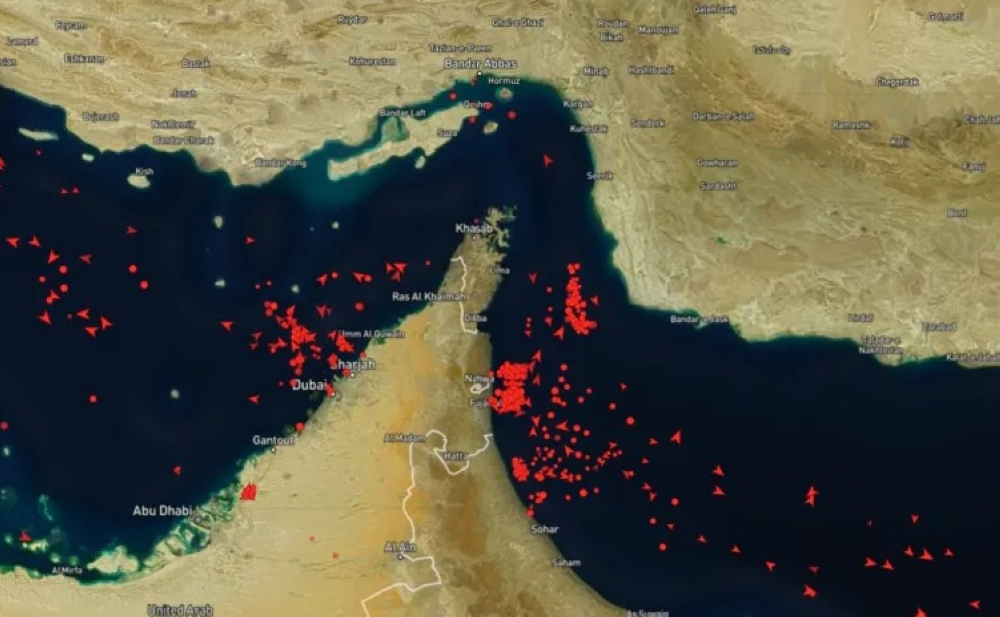
The telephone call between the two leaders addressed a highly important issue: the reaffirmation that Iran’s continued aggression and blatant interference in the affairs of the Gulf Cooperation Council (GCC) states constitutes a dangerous escalation. This escalation not only threatens the region’s security and stability but also extends its impact to maritime navigation and global trade routes in vital waterways. In this regard, both sides emphasized that the GCC states will not hesitate to continue their joint efforts to defend their territories and national sovereignty. They also stressed the importance of providing and utilizing all available resources to support the region’s security, preserve its stability, and safeguard its developmental achievements.
The strategic importance and expected impact of bilateral agreement
This Saudi-Emirati alignment is of paramount importance and has multifaceted implications. Locally and regionally, this high level of coordination sends a reassuring message to the people of the region, affirming that the Gulf leadership stands as a bulwark against any attempts to destabilize the region and sow chaos. Internationally, the stability of the Arabian Gulf region is a paramount global interest, given the status of the Kingdom and the UAE as two major economic powers and key, reliable energy suppliers to the world. Therefore, any efforts to maintain security in this vital geographical area will positively impact the stability of the global economy and mitigate the negative repercussions that could arise from open geopolitical conflicts.