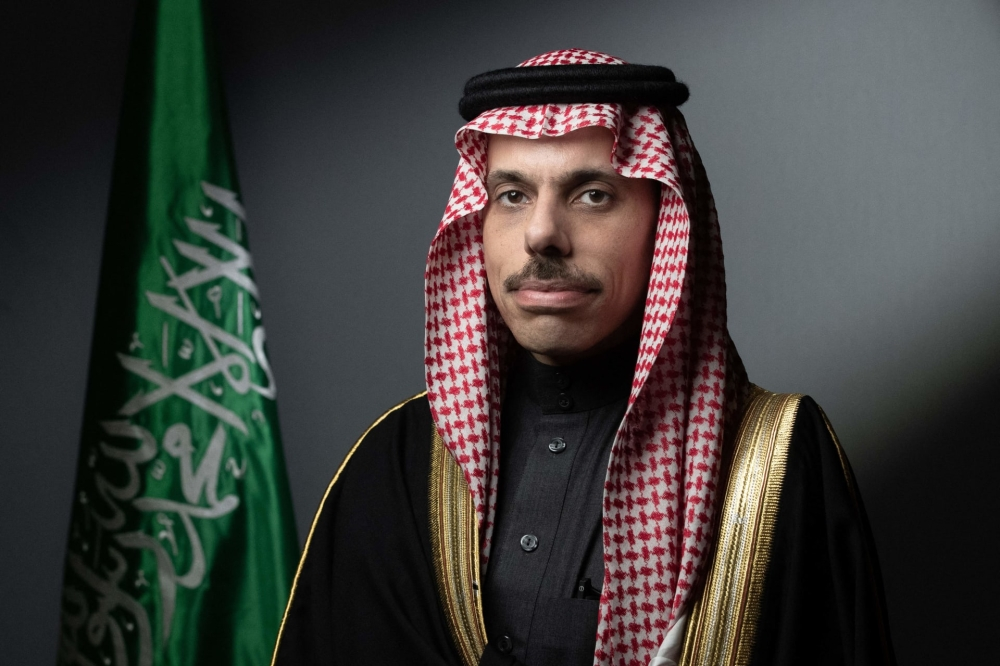
في خطوة دبلوماسية تؤكد على عمق العلاقات المتنامية بين المملكة العربية السعودية وجمهورية تركمانستان، تلقى صاحب السمو الأمير فيصل بن فرحان بن عبدالله، وزير الخارجية، اتصالاً هاتفياً من معالي السيد رشيد ميريدوف، نائب رئيس مجلس الوزراء ووزير خارجية تركمانستان. وشكل هذا الاتصال فرصة هامة لاستعراض مسار العلاقات الثنائية المتينة بين البلدين، وبحث سبل دفعها نحو آفاق أرحب في مختلف المجالات، بالإضافة إلى مناقشة القضايا والموضوعات ذات الاهتمام المشترك على الساحتين الإقليمية والدولية.
خلفية تاريخية وسياق العلاقات
ترتبط المملكة العربية السعودية وتركمانستان بعلاقات دبلوماسية راسخة تعود إلى عام 1992، عقب استقلال تركمانستان عن الاتحاد السوفيتي. ومنذ ذلك الحين، شهدت العلاقات تطوراً ملحوظاً مبنياً على الاحترام المتبادل والمصالح المشتركة، وروابط الأخوة الإسلامية التي تجمع الشعبين. وتعمل الدولتان بشكل وثيق في إطار المنظمات الدولية، وعلى رأسها منظمة التعاون الإسلامي، حيث تتشاركان رؤى متقاربة حول العديد من القضايا التي تهم العالم الإسلامي. وتنظر المملكة إلى تركمانستان كشريك مهم في منطقة آسيا الوسطى، التي تكتسب أهمية جيوسياسية متزايدة.
الأهمية الاستراتيجية وتأثير التعاون
يكتسب هذا التواصل الدبلوماسي أهمية خاصة في ظل التحولات العالمية الراهنة. فمن الناحية الاقتصادية، تسعى المملكة ضمن إطار رؤية 2030 إلى تنويع اقتصادها وشراكاتها الدولية، وتعتبر تركمانستان، بما تمتلكه من احتياطيات ضخمة من الغاز الطبيعي وموقع استراتيجي على طريق الحرير الجديد، وجهة واعدة للاستثمارات السعودية، خاصة في قطاعات الطاقة والبتروكيماويات والبنية التحتية. من جانبها، تتطلع تركمانستان إلى جذب الاستثمارات الأجنبية لتطوير اقتصادها وتنويع أسواق صادراتها من الطاقة، وتعد المملكة شريكاً استثمارياً موثوقاً وقادراً على المساهمة بفعالية في تحقيق هذه الأهداف.
التأثير الإقليمي والدولي
على الصعيد الإقليمي، يساهم تعزيز العلاقات بين الرياض وعشق آباد في دعم الاستقرار والتنمية في منطقة آسيا الوسطى والشرق الأوسط. ويمثل هذا التقارب نموذجاً للتعاون البنّاء بين دولتين محوريتين في منطقتيهما، ويعزز من التنسيق المشترك لمواجهة التحديات الأمنية والاقتصادية. دولياً، يعكس هذا الاتصال حرص البلدين على لعب دور فاعل في الساحة الدولية، وتنسيق مواقفهما بما يخدم قضايا السلم والأمن الدوليين، ويؤكد على سياسة المملكة الخارجية النشطة والقائمة على بناء جسور التعاون مع مختلف دول العالم.