A new phase in Saudi-Turkish relations
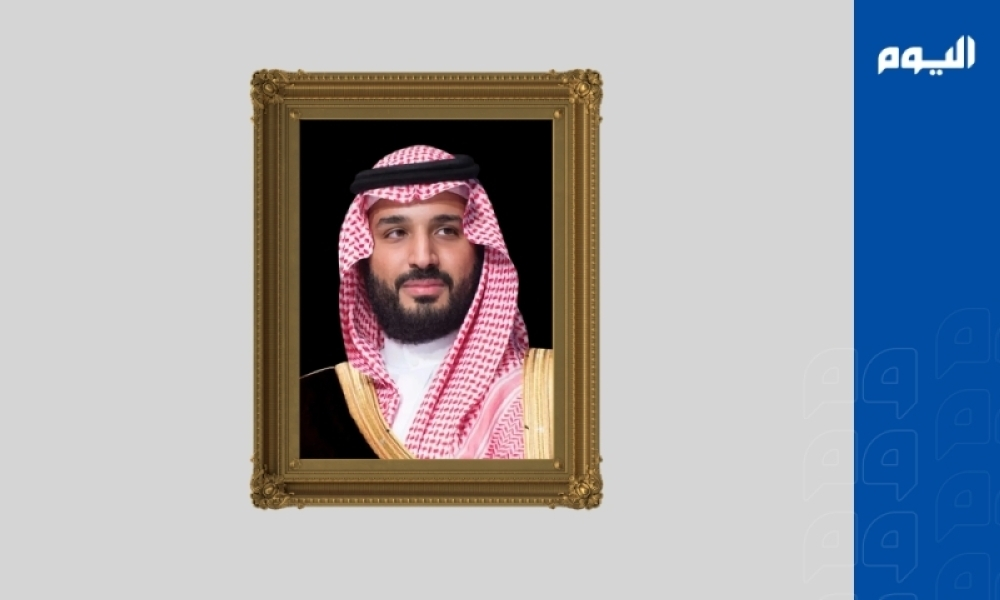
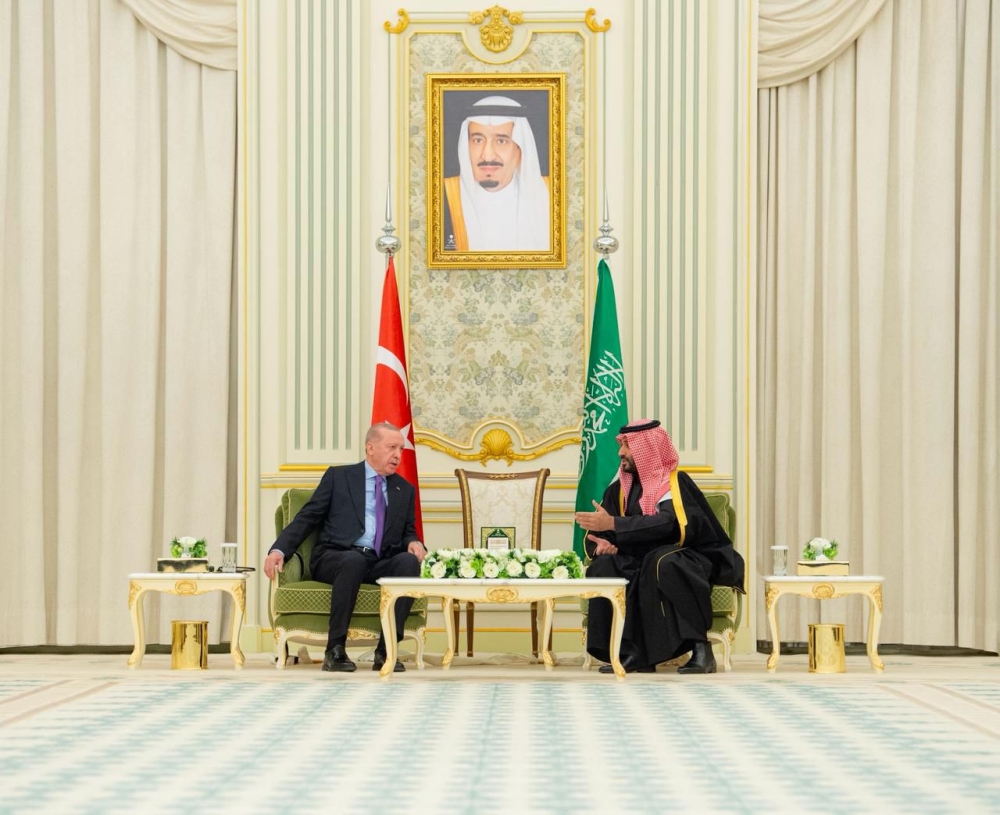
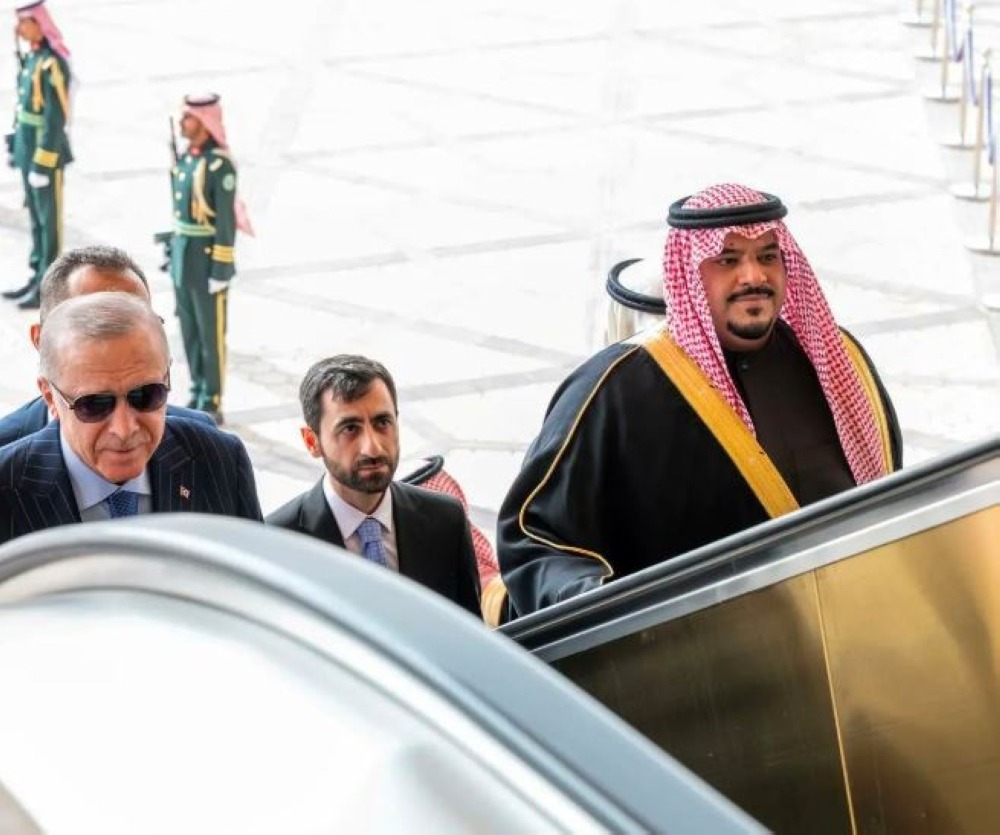
Turkish President Recep Tayyip Erdoğan's visit to Saudi Arabia and his meeting with His Royal Highness Crown Prince Mohammed bin Salman bin Abdulaziz Al Saud, Deputy Prime Minister, represent a pivotal moment in bilateral relations and mark the beginning of a new phase of strategic partnership between two key regional powers. This visit transcends typical diplomatic protocols, reflecting a shared political will to deepen coordination across all sectors, serving the interests of both countries and enhancing security and stability in the Middle East and the wider Muslim world.
From tension to partnership: A historical background to the relationship
Saudi-Turkish relations have witnessed some challenges and periods of strain over the past decade, but political wisdom and a desire to overcome differences have restored warmth to the relationship. Signs of rapprochement have become increasingly evident in recent years, culminating in high-level reciprocal visits, most notably Crown Prince Mohammed bin Salman's visit to Ankara in June 2022, which laid the foundations for a full reconciliation and opened up broad horizons for cooperation. President Erdoğan's current visit builds upon this momentum, confirming that Riyadh and Ankara are moving towards a solid partnership built on mutual respect, shared interests, and a deep understanding of their important roles as prominent members of the G20 and the Organization of Islamic Cooperation.
Strategic and security dimensions: Coordination to enhance regional stability
Security and military coordination between the Kingdom of Saudi Arabia and Turkey is of paramount importance given the challenges facing the region. The Saudi-Turkish Coordination Council, established in 2016, serves as the primary institutional framework for organizing this cooperation. This area has witnessed significant development with the signing of the Executive Plan for Defense Cooperation, which focuses on the transfer and localization of military technologies and the exchange of expertise. In this context, the acquisition agreement signed by the Ministry of Defense with the Turkish company Baykar to localize the drone manufacturing industry stands out. This is not merely an arms deal, but a strategic step aligned with the goals of Vision 2030 to develop the local military industries sector and enhance the Kingdom's self-sufficiency.
Promising economic prospects: Vision 2030 meets Turkish industrial power
On the economic front, the two countries are striving to build a complementary partnership that leverages their respective strengths. Saudi Arabia, through its Vision 2030 and mega-projects, offers unprecedented investment opportunities, while Turkey possesses a sophisticated industrial base and extensive expertise in the contracting, tourism, and manufacturing sectors. This trend is reflected in the remarkable growth of bilateral trade, which exceeded $7.4 billion in 2024, with ambitious plans for further increases. The memoranda of understanding signed in the field of direct investment are creating an attractive environment for Turkish companies, which currently number around 390 in the Saudi market. This paves the way for greater investment flows that will contribute to diversifying the Saudi economy and achieving the goals of Vision 2030.
Regional and international influence: A shared weight in a changing world
The Saudi-Turkish rapprochement has implications not only for the two countries themselves, but also for the regional and international arenas. Both countries possess significant political and economic weight, and their agreement on the necessity of resolving crises peacefully through dialogue and respect for national sovereignty enhances the prospects for achieving stability in the region. This coordination is expected to be reflected in their positions in international forums and contribute to developing shared visions for addressing issues of common interest, thus serving the interests of the Islamic world and strengthening the two countries' standing as influential players on the global stage.