Saudi Arabia's trade surplus reaches record growth
Saudi Arabia's trade balance recorded a surplus of SAR 22.3 billion in November 2025, achieving a record annual growth of 70.2%. This strong performance represents an increase of SAR 9.2 billion compared to the same period in 2024, when the surplus was SAR 13.1 billion, according to data released by the General Authority for Statistics in its international trade bulletin for November.
On a monthly basis, the data also showed a 5.2% increase in the trade surplus compared to October of the same year, which recorded a surplus of SAR 21.3 billion. This continued growth reflects the strong performance of the Saudi trade sector and its ability to adapt to global economic changes, thus reinforcing the resilience of the national economy.
Economic diversification and Vision 2030 are driving non-oil exports
The remarkable growth in non-oil exports is one of the most prominent factors supporting this surplus. The value of national non-oil exports reached approximately SAR 18.9 billion, representing 19% of total merchandise exports and achieving an annual growth rate of 4.7%. This progress is a direct reflection of the Kingdom's diligent efforts within the framework of "Saudi Vision 2030," which aims to diversify income sources and reduce reliance on oil as the primary driver of the economy. The Vision targets the development of globally competitive industrial and logistical sectors, the fruits of which are beginning to appear in foreign trade figures.
In contrast, petroleum exports maintained their pivotal role, reaching a value of over SAR 67 billion, constituting 67.2% of total exports, with an annual growth rate of 5.4%. Re-export trade also witnessed a remarkable surge of 53.1% year-on-year, reaching a value of SAR 13.7 billion, underscoring the Kingdom's growing importance as a regional logistics hub.
Importance and economic impact locally and internationally
This substantial trade surplus carries significant economic implications across various levels. Domestically, it contributes to bolstering the Kingdom's foreign reserves, supports exchange rate stability, and provides additional liquidity to finance major development projects. Regionally and internationally, these figures solidify Saudi Arabia's position as a leading economic power in the Middle East and a reliable trading partner on the global stage. The growth in non-oil exports reinforces the image of the Saudi economy as diversified and sustainable, capable of attracting foreign direct investment in promising sectors.
Key trade partners and vital outlets
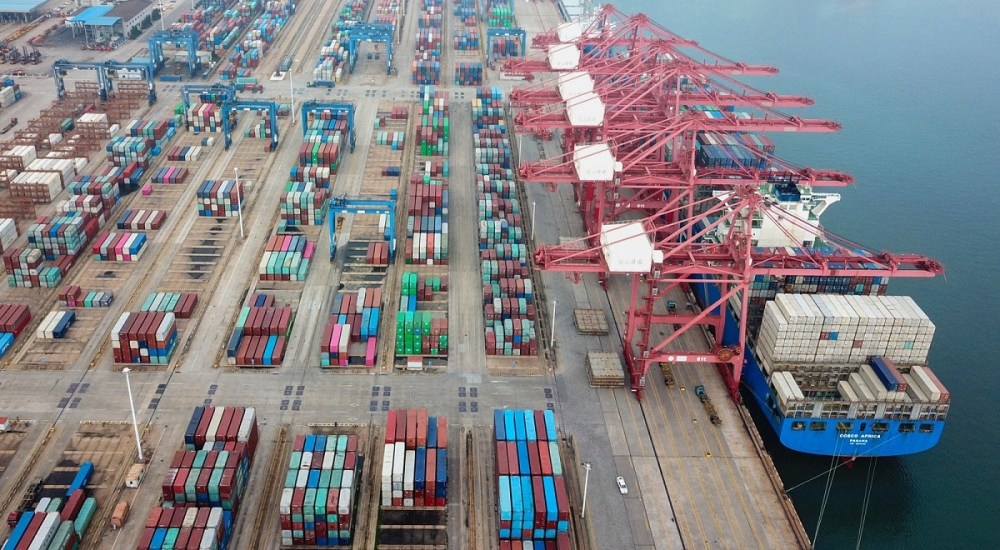
Regarding trading partners, China remained the top importer from the Kingdom, with exports to China reaching SAR 13.5 billion, representing 13.5% of total exports. Asian countries, in general, were among the leading destinations for Saudi exports. As for imports, sea, air, and land ports served as vital entry points. King Abdulaziz International Airport in Jeddah led the way with non-oil exports valued at SAR 5.6 billion, followed by Jeddah Islamic Port with SAR 3.6 billion, highlighting the strategic role of logistics infrastructure in supporting the Kingdom's foreign trade.